| Journal of Clinical Question. 2025; 2(1): e58 https://doi.org/10.69854/jcq.2024.0022 Advance access publication date 11 February 2025 |
 |
Meta-Analysis
The Efficiency and Safety of Adjuvant Middle Meningeal Artery Embolization in Non-Acute Subdural Hematomas: A Systematic Review and Meta-Analysis of Randomized Clinical Trials
Department of Neurosurgery, Osaka Metropolitan University Hospital, Osaka, Japan.
*Corresponding Author: Toshiyuki Kawashima. Email: toshiyuki1986.331.24ser@gmail.com
Submitted: December 17, 2024 Accepted: February 11, 2025
Clinical Question Box
Is adjunctive middle meningeal artery embolization (MMAE) combined with surgery recommended for managing non-acute subdural hematomas (SDHs)?
Adjunctive MMAE combined with surgery significantly reduces the recurrence rates of chronic SDH, as supported by moderate-quality evidence. However, it does not demonstrate improvements in functional outcomes, mortality, or adverse events, which is supported by low-to moderate-quality evidence. The effectiveness of adjunctive MMAE in managing subacute SDH remains limited, and further cost-effectiveness analyses are needed to evaluate its feasibility in chronic SDH management.
Abstract
Introduction: Subdural hematomas (SDHs), particularly prevalent in older populations, present significant clinical challenges. For its treatment, middle meningeal artery embolization (MMAE) has gained attention as a potential adjunctive therapy to surgical intervention. This systematic review and meta-analysis evaluated the effectiveness and safety of combining MMAE with surgery compared to surgery alone. Methods: A systematic review and meta-analysis were conducted in accordance with Preferred Reporting Items for Systematic Reviews and Meta-Analyses guidelines. Relevant studies were identified through comprehensive database searches. Inclusion criteria focused on randomized controlled trials comparing adjunctive MMAE with surgery to surgery alone for SDH. Data on recurrence rates, functional outcomes, mortality, and adverse events were extracted and synthesized. Results: Six randomized control trials involving 1,327 patients met the inclusion criteria. In cases of chronic SDH, adjunctive MMAE significantly reduced recurrence rates compared to surgery alone, with an odds ratio (OR) of 0.45 (95% CI: 0.22–0.93; p = 0.03; I2 = 0%). However, no improvement in functional outcomes was observed (OR: 1.15; 95% CI: 0.43–3.02; p = 0.78; I2 = 0%). For subacute or mixed subacute and chronic SDH, limited evidence showed no significant reduction in recurrence rates (OR: 0.56; 95% CI: 0.21–1.49; p = 0.25; I2 = 70%) or functional improvement (OR: 0.77; 95% CI: 0.40–1.49; p = 0.44). Adjunctive MMAE was not associated with a significant increase in mortality (OR: 0.72; 95% CI: 0.55–0.95; p = 0.02) or adverse events (OR: 0.89; 95% CI: 0.61–1.31; p = 0.55). Conclusion: Adjunctive MMAE significantly reduces recurrence rates in chronic SDH but does not provide additional functional benefits. Its efficacy in subacute SDH remains inconclusive, highlighting the need for further research.
Keywords: Subdural hematoma, middle meningeal artery embolization, surgery, adjuvant therapy, meta-analysis.
Introduction
Subdural hematoma (SDH) is a common neurosurgical condition, particularly among older adults, characterized by the accumulation of blood in the subdural space, leading to brain compression.1 SDH is classified into three subtypes based on the timing of symptom onset and duration: acute, subacute, and chronic.2 The incidence of chronic SDH has been steadily increasing due to global population aging, with prevalence rates ranging from 8.2 to 58 cases per 100,000 annually in individuals aged 65 years and older.3,4
The standard treatment for symptomatic SDH is surgical intervention, such as burr hole craniotomy, which effectively alleviates intracranial pressure and restores neurological function.5 However, the high recurrence rate, which occurs in 5–30% of cases after surgery, remains one of the most significant challenges.6 Recurrences often necessitate additional procedures, leading to increased healthcare costs, higher risks of complications, and prolonged hospital stays.7 These challenges underscore the urgent need for more effective and durable treatment strategies.
In recent years, adjunctive therapies aimed at reducing SDH recurrence and improving patient outcomes have garnered significant attention. Goreisan, a traditional Japanese herbal medicine, has demonstrated potential in small-scale studies to prevent fluid accumulation in the subdural space and reduce recurrence rates.8 Another promising innovation is middle meningeal artery embolization (MMAE), a minimally invasive endovascular procedure designed to promote hematoma resorption and prevent re-bleeding by targeting the middle meningeal artery.9 It is a catheter-based embolization of specific arterial branches that sustain chronic inflammation and neovascularization within the hematoma membrane, which are believed to contribute to recurrence. During the procedure, embolization materials such as polyvinyl alcohol particles, liquid embolics like n-butyl cyanoacrylate, or microspheres are employed to occlude the targeted vessels.10 The goal is complete occlusion of the distal branches of the middle meningeal artery supplying the hematoma membrane while sparing non-target vessels to minimize the risk of adverse effects.11 Under fluoroscopic guidance, the catheter tip is carefully positioned just proximal to the foramen spinosum to ensure precise and controlled embolization.12 By reducing the vascular supply to the hematoma membrane, MMAE facilitates hematoma resolution and significantly lowers the likelihood of symptomatic recurrence.
MMAE reduces blood supply to the affected dura mater, stabilizes the subdural space, and prevents the formation of fragile neovessels associated with hematoma recurrence.13 Preliminary studies suggest that MMAE may also accelerate hematoma resorption and support neurological recovery.14 These adjunctive approaches provide promising options for managing SDH, particularly in patients at high risk of recurrence or those unsuitable for repeated surgical interventions.11 Over the past decade, retrospective studies have consistently highlighted the benefits of MMAE, including lower recurrence rates, faster hematoma resolution, and improved functional outcomes.15 A systematic review of observational studies conducted in 2024 reported that MMAE was associated with a 57% reduction in treatment failure and a 55% reduction in reoperation rates compared to surgery alone.16 Additionally, studies have documented a lower incidence of postoperative complications, including symptomatic recurrences, among patients receiving MMAE treatment.11
While these retrospective findings are promising, they are inherently limited by selection bias and the lack of randomization, preventing definitive conclusions. To address these limitations, recent years have seen the initiation of randomized controlled trials (RCTs), widely regarded as the gold standard for evaluating the efficacy and safety of MMAE, as an adjunct to surgery for SDH. Early results from these trials have been encouraging, demonstrating reduced recurrence rates and favorable safety profiles.17 However, the small sample sizes and variability in study designs highlight the need for a comprehensive synthesis of the available evidence. Therefore, this systematic review and meta-analysis aim to provide a robust, evidence-based evaluation of the effectiveness and safety of adjunctive MMAE combined with surgery compared to surgery alone.
Methods
Ethics and Registration
This systematic review and meta-analysis followed the Preferred Reporting Items for Systematic Reviews and Meta-Analyses (PRISMA) guidelines and was registered with the University Hospital Medical Information Network Clinical Trials Registry (Registration ID: 000056379), ensuring transparency and methodological rigor.18,19 As the analysis was based solely on previously published data, no additional ethical approval was required.
Eligibility Criteria
Studies were included if they met the following criteria: 1) focused on patients with subacute or chronic SDH, 2) employed adjunctive MMAE with surgery as the intervention and compared it to surgery alone, and 3) reported outcomes such as recurrence rate, functional improvement, adverse events (AEs), or mortality. Studies were excluded if they met any of the following criteria: 1) non-randomized studies, case reports, or conference abstracts, 2) duplicate reports, or 3) studies with insufficient data.
Search Strategy
A systematic search was conducted in PubMed, EMBASE, Web of Science, and the Cochrane Library, updated until December 10, 2024, to identify eligible studies. The search used keywords such as “subdural hematoma,” “subacute subdural hematoma,” and “chronic subdural hematoma” to identify the patient population; “middle meningeal artery embolization,” “surgery,” and “adjuvant” to identify the interventions; and “randomized controlled trials” or “RCT” to define the study design. Additionally, the reference lists of included studies and relevant reviews were manually screened to identify additional eligible studies. No language restrictions were applied to the publication.
Data Collection and Extraction Process
Two independent reviewers (C.B. and T.U.) screened the titles and abstracts of all retrieved articles, followed by full-text assessments of potentially relevant studies to confirm their eligibility. Any discrepancies were resolved through consensus or, if necessary, by consulting a third reviewer to ensure accuracy and consistency in the selection process. Data were independently extracted by the reviewers using a standardized form that captured study characteristics (e.g., author, year, country, and design), participant demographics (e.g., age, sex, and sample size), intervention and comparator details (MMAE agent, SDH type), outcomes of interest (recurrence, functional improvement, mortality, and AEs), and follow-up duration. Authors were contacted for clarification or to request additional information when required.
Outcomes
The outcomes of this analysis included both the effectiveness and safety of the intervention. Effectiveness was assessed based on recurrence rates and functional improvements. Safety outcomes were evaluated by examining the incidence of mortality and AEs. Recurrence was defined as the reappearance of SDH, irrespective of whether surgical intervention was needed. Functional status was measured using validated scales, such as the modified Rankin Scale (mRS), with recovery assessed by changes in mRS scores from the time of treatment to the last follow-up, focusing on improvements in functional categories. Mortality was defined as death from any cause, while AEs were documented across all severity grades.
Statistical Analysis
A random-effects model was applied for all meta-analyses to account for between-study variability. Pooled estimates were expressed as odds ratios (Ors) with 95% confidence intervals (CIs) for dichotomous outcomes. Heterogeneity was assessed using the I2 statistic, with thresholds of 25%, 50%, and 75% indicating low, moderate, and high heterogeneity, respectively. Subgroup and sensitivity analyses were conducted to explore potential sources of heterogeneity. Publication bias was evaluated through funnel plot symmetry. To ensure the robustness of the results, sensitivity analyses were performed by excluding studies at high risk of bias and assessing the impact of outliers. Where applicable, subgroup analyses stratified by patient characteristics (chronic or subacute SDH) were conducted to identify potential effect modifiers and improve the clinical interpretability of the findings.
Risk Assessment
The risk of bias for the included studies was rigorously assessed using the Cochrane Risk of Bias 2.0 tool.20 This evaluation covered key domains, including the randomization process, deviations from intended interventions, missing outcome data, outcome measurement, and the selection of reported results. Each study was classified into one of three categories: low risk, some concerns, or high risk of bias. Publication bias was assessed using funnel plots. Any discrepancies between reviewers during the evaluation process were resolved through discussion and consensus to ensure accuracy and reliability.
Evidence Level Assessment
The level of evidence for each outcome was determined using the GRADE (Grading of Recommendations Assessment, Development, and Evaluation) system.21 Evidence was classified as high, moderate, low, or very low, based on factors such as the risk of bias, consistency of results across studies, directness of evidence, precision of estimates, and the presence of publication bias. When appropriate, the level of evidence was downgraded due to limitations in study quality or upgraded based on strong effect sizes or large sample sizes, in accordance with GRADE criteria.
Results
Study Selection and Characteristics
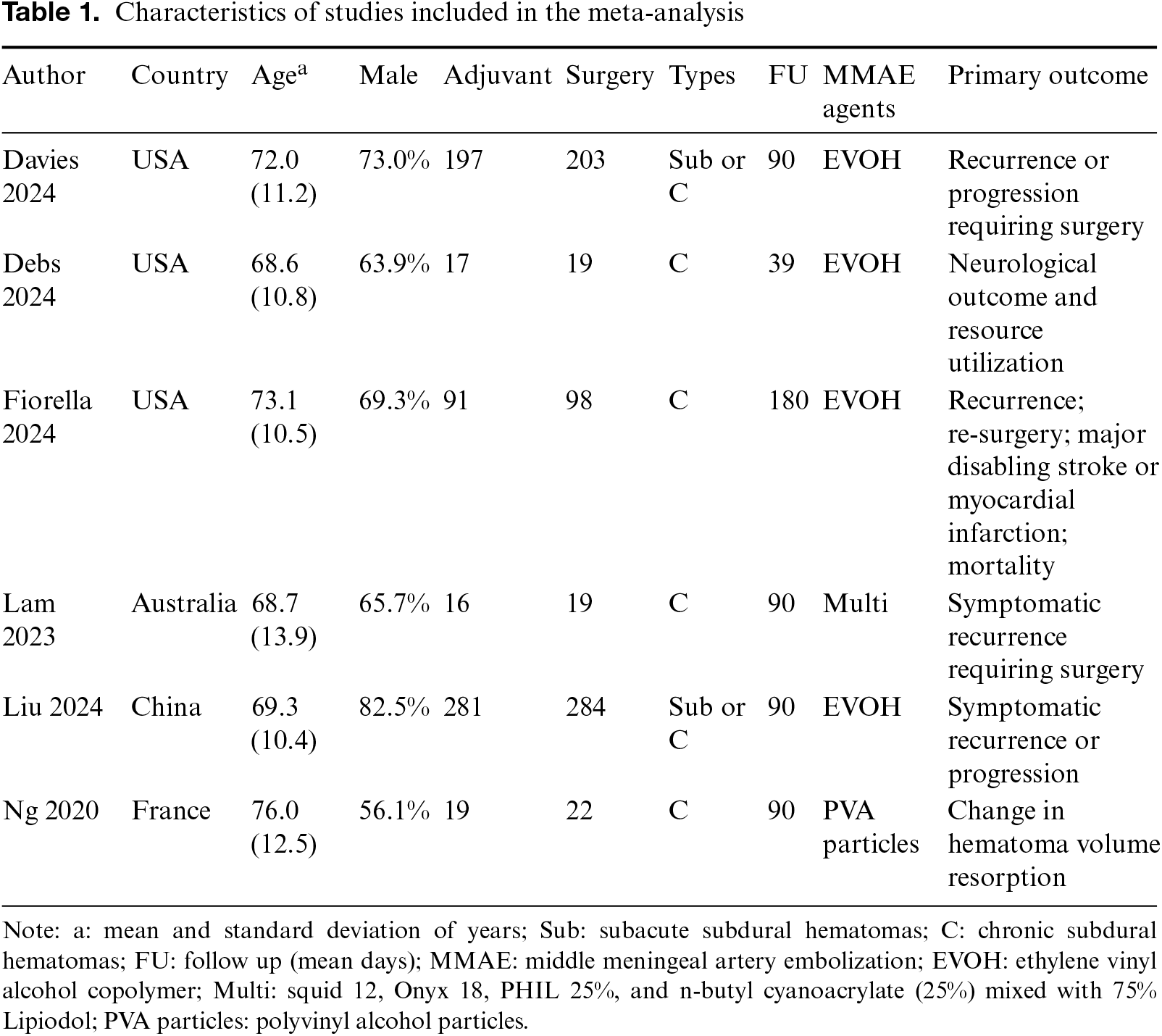
A systematic search identified 995 records, from which 118 duplicates were removed. After screening titles and abstracts, 769 studies were excluded. Following a full-text review, six RCTs met the inclusion criteria. These trials, collectively involving 1,327 patients, assessed the efficacy and safety of adjunctive MMAE combined with surgery, compared to surgery alone for chronic subdural hematoma (CSDH). The selection process is depicted in the PRISMA flow diagram (Fig. S1). The included RCTs, published between 2020 and 2024, were conducted across multiple countries, including the USA, Australia, China, and France (Table 1).22–27 The patient populations primarily consisted of older adults, with mean ages ranging from 68.7 to 76.0 years, and male representation varying from 56.1% to 82.5%. While four studies focused exclusively on chronic SDH, two also included patients with subacute conditions. Four studies employed ethylene vinyl alcohol copolymer as the embolic agent, one study used polyvinyl alcohol particles, and one utilized multiple agents, depending on the discretion of the treating neurointerventionist.
Recurrence Prevention
Adjunctive MMAE combined with surgery demonstrated significant effectiveness in reducing recurrence rates. The pooled analysis for chronic SDH showed an OR of 0.45 (95% CI: 0.22–0.93, p = 0.03; I2 = 0%) (Fig. 1). In studies including both subacute and chronic SDH, the pooled analysis indicated an OR of 0.56 (95% CI: 0.21–1.49, p = 0.25; I2 = 70%), which did not show a statistically significant difference. A fixed-effect model was applied to studies focusing on adjuvant MMAE in chronic SDH, yielding an OR of 0.41 (95% CI: 0.20–0.84, p = 0.01; I2 = 0%), confirming the consistency of the results (Fig. S2). However, only two studies evaluated the effectiveness of adjunctive MMAE in subacute and chronic SDH, making sensitivity analysis inapplicable.
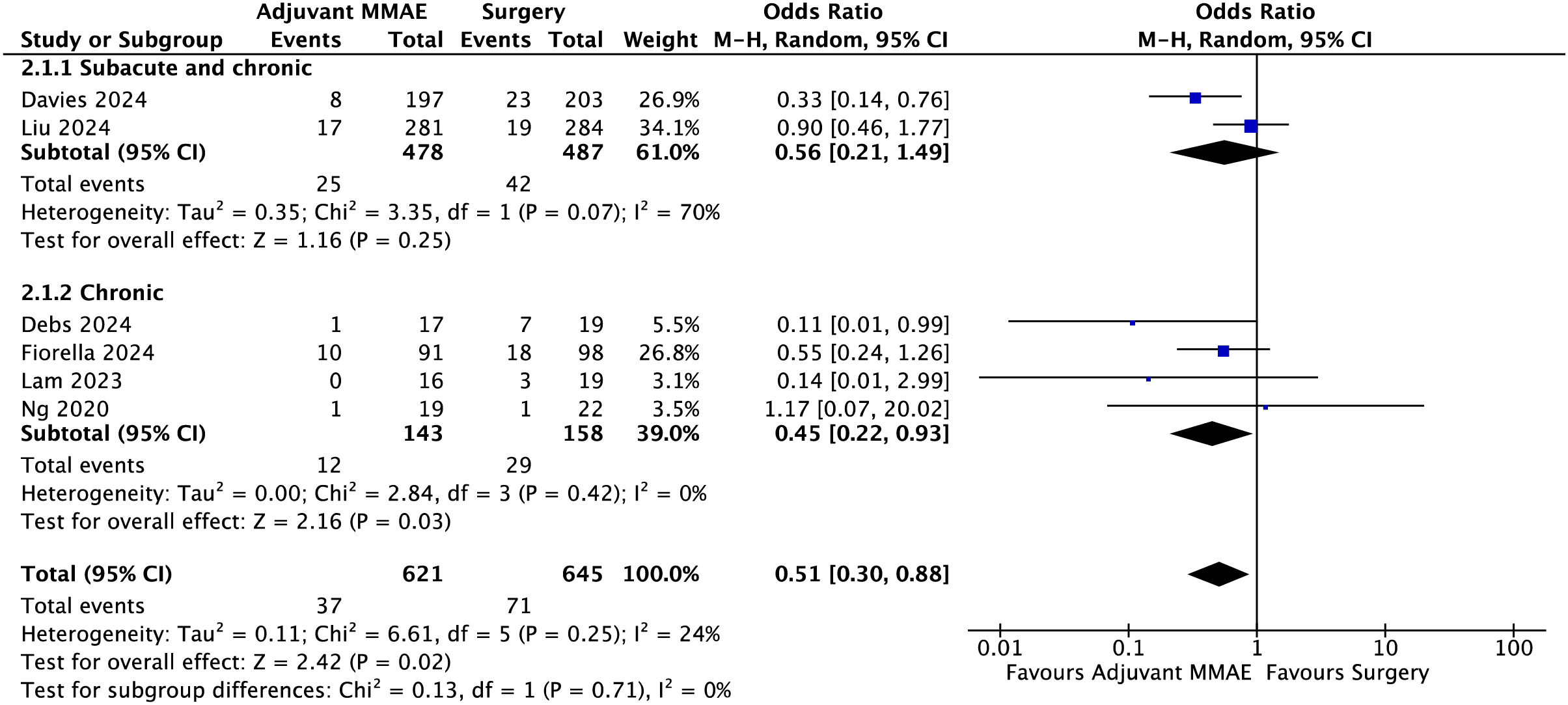
Figure 1. Effectiveness of recurrence prevention with adjuvant MMAE and surgery. MMAE: middle meningeal artery embolization; CI: confidence interval.
Functional Recovery
Functional improvement, as assessed by validated scales such as the mRS, was not significantly different in the adjuvant MMAE group (OR: 0.88, 95% CI: 0.51–1.51, p = 0.63; I2 = 0%) (Fig. 2). Subgroup analysis of studies focusing on chronic SDH demonstrated an OR of 1.15 (95% CI: 0.43–3.02, p = 0.78; I2 = 0%). A fixed-effect model applied to the chronic SDH subgroup yielded similar results (Fig. S3). One study examining functional recovery in both subacute and chronic SDH reported an OR of 0.77 (95% CI: 0.40–1.49, p = 0.44).
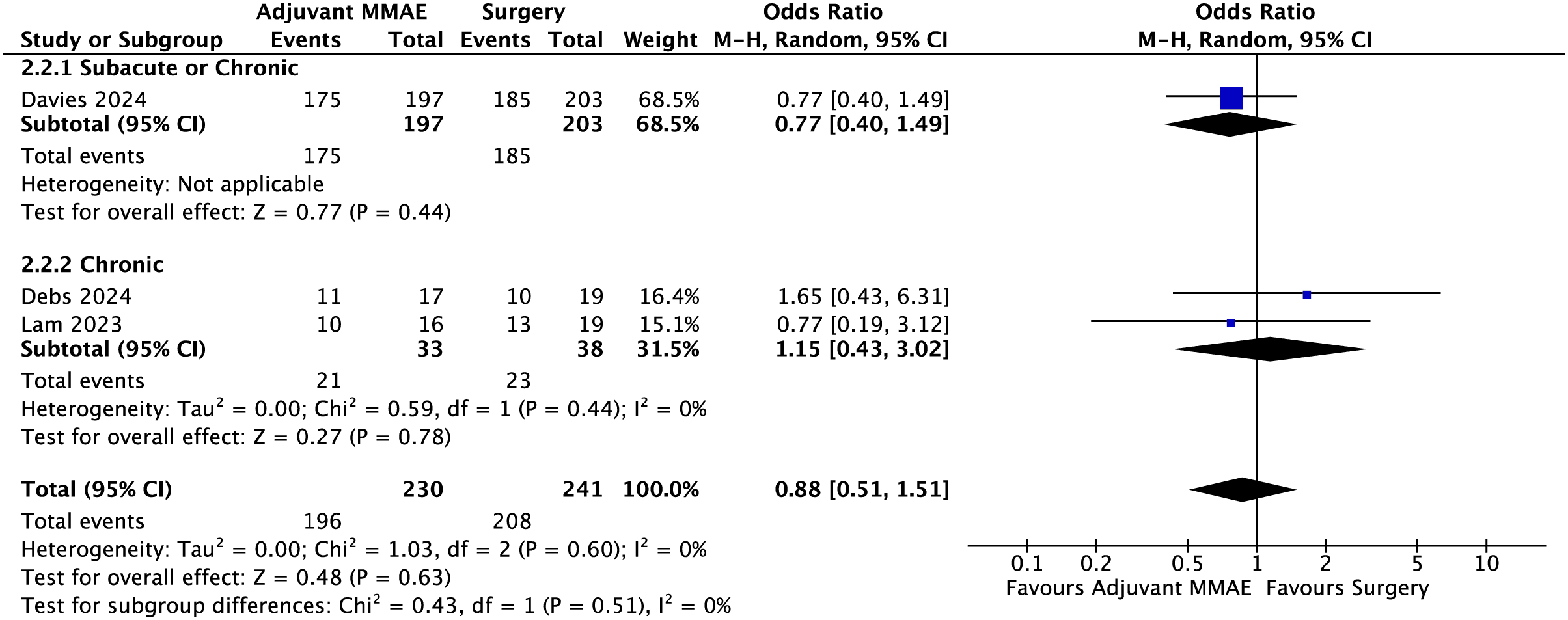
Figure 2. Functional recovery outcomes with adjuvant MMAE and surgery. MMAE: middle meningeal artery embolization; CI: confidence interval.
Safety
The overall mortality risk showed no statistically significant difference between the adjuvant MMAE and surgery groups (OR: 1.01, 95% CI: 0.42–2.49, p = 0.98; I2 = 47%) (Fig. 3). Subgroup analysis revealed similar results for patients with subacute or chronic SDH, as well as for those with chronic SDH, with ORs of 0.75 (95% CI: 0.10–5.47, p = 0.78; I2 = 80%) and 1.36 (95% CI: 0.56–3.27, p = 0.50; I2 = 0%), respectively. Although high heterogeneity was observed, sensitivity analysis was not applicable due to the inclusion of only two studies in the subacute and chronic SDH subgroups. AEs were comparable between the adjunctive MMAE and surgery groups, with a pooled OR of 1.27 (95% CI: 0.95–1.70, p = 0.10; I2 = 0%) (Fig. S4). Subgroup analysis of AEs in subacute or chronic SDH showed an OR of 1.31 (95% CI: 0.95–1.81, p = 0.10; I2 = 0%).
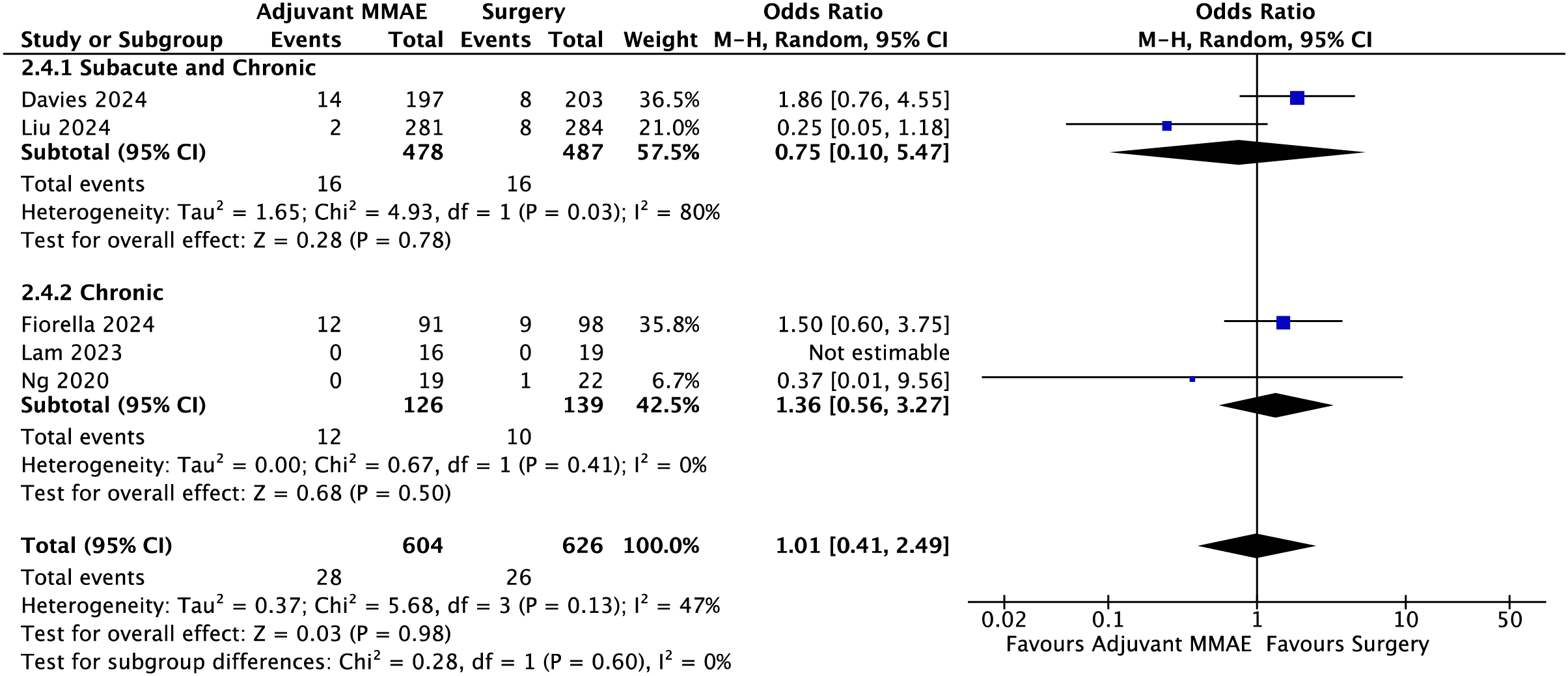
Figure 3. Odds ratio for mortality with adjuvant MMAE and surgery. MMAE: middle meningeal artery embolization; CI: confidence interval.
Bias and Evidence
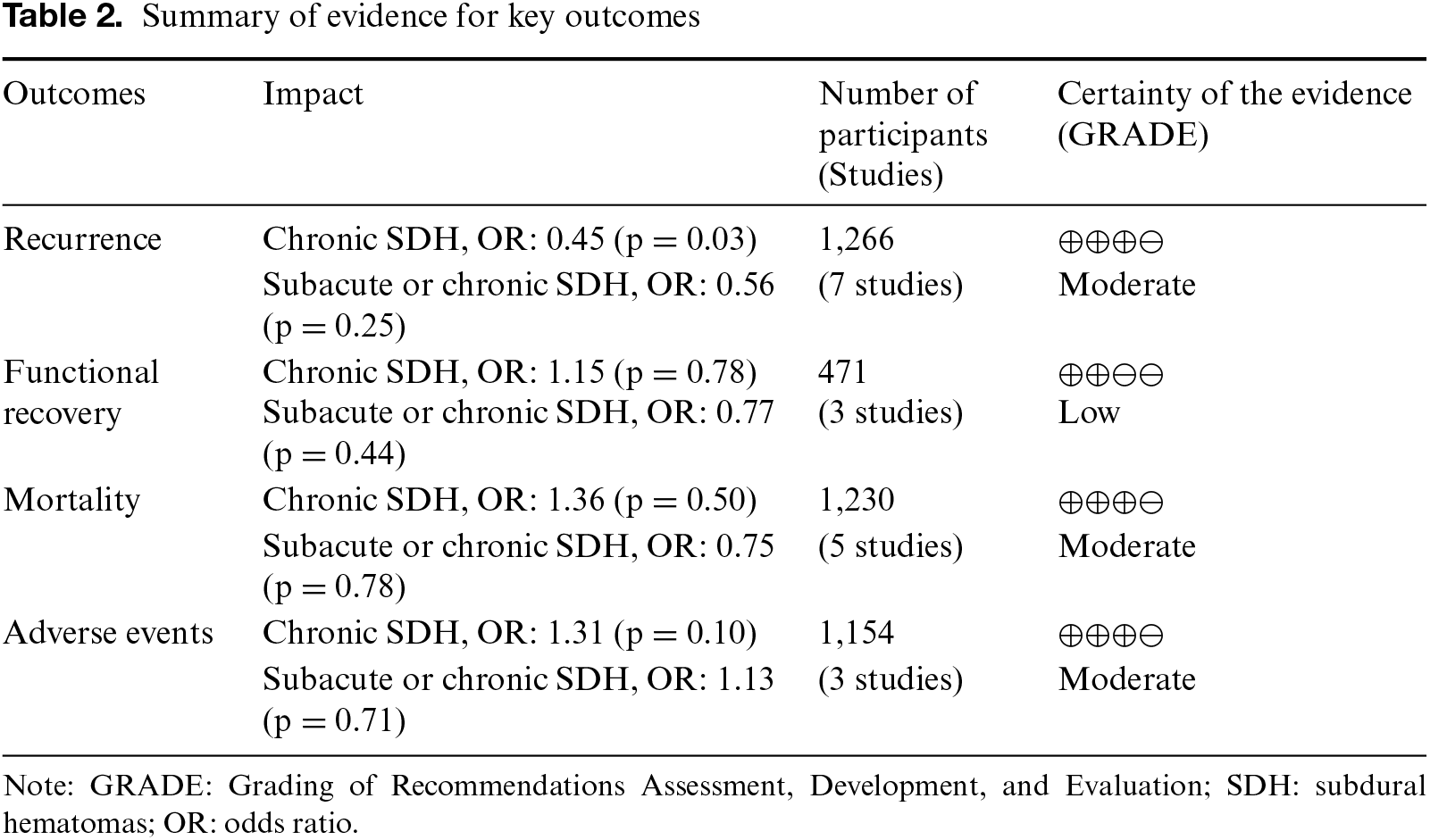
Publication bias was assessed using funnel plots, which appeared symmetrical (Figs. S5–S8), suggesting that the results are unlikely to be significantly influenced by selective reporting or unpublished studies. The overall risk of bias is summarized in Fig. S9, which reveals a high risk of detection bias and performance bias in two studies, as well as attrition bias in one study. The evidence, as evaluated using the GRADE framework, is presented in Table 2. Moderate-quality evidence supports the use of adjuvant MMAE to prevent recurrence in chronic SDH. In contrast, low-quality evidence indicates no significant improvement in functional recovery, while moderate-quality evidence suggests no increase in AEs or mortality. However, evidence supporting the use of adjuvant MMAE in patients with subacute or chronic SDH remains limited, highlighting the need for further investigation in these populations.
Discussion
This systematic review and meta-analysis of RCTs offer valuable insights into the efficacy and safety of adjunctive MMAE combined with surgery for managing chronic SDH. The findings provide a robust evidence base, addressing gaps in previous retrospective studies and supporting MMAE as an effective adjunctive therapy for patients undergoing surgical treatment for chronic SDH.16,28 However, the analysis highlights limited evidence regarding the efficacy of MMAE in populations with a combination of subacute and chronic SDH, as no statistically significant improvements were observed in recurrence prevention or functional recovery in this group. This may be due to the reduced effectiveness of MMAE in subacute SDH patients. Additionally, subgroup analysis comparing outcomes between subacute and chronic SDH patients was not feasible due to insufficient data. Importantly, MMAE therapy did not increase mortality and demonstrated a favorable safety profile, underscoring its reliability for managing chronic SDH.
While the findings affirm the potential of MMAE to enhance treatment outcomes, the lack of significant improvements in functional recovery warrants further investigation. As assessed by the mRS, functional outcomes may require longer follow-up periods or larger sample sizes to detect more subtle benefits. Most studies used ethylene vinyl alcohol copolymer as the liquid embolic agent for MMAE; however, the variability in study protocols—such as differences in embolic agents and the timing of MMAE relative to surgery—highlights the need for standardized clinical guidelines to optimize its implementation. The safety profile of MMAE, as observed in this analysis, is reassuring, with no significant differences in mortality or AEs between the adjuvant MMAE and surgery-alone groups. This suggests that the procedure does not introduce additional risks, even in populations with advanced age or complex medical conditions. Nonetheless, the long-term safety and potential impacts on neurological and cognitive outcomes remain underexplored and should be prioritized in future research.
Cost-effectiveness analysis is a crucial factor in evaluating the broader applicability of adjunctive MMAE in managing chronic SDH.29 By effectively reducing recurrence rates, MMAE has the potential to significantly lower healthcare costs associated with repeat surgeries, prolonged hospital stays, and additional interventions for recurrent cases. Moreover, its minimally invasive nature could lead to shorter recovery times and fewer postoperative complications, thus alleviating economic burdens on both healthcare systems and patients. However, the upfront costs of embolization procedures—including the use of specialized embolic agents, advanced imaging technologies, and the expertise required for neurointerventional procedures—may present accessibility challenges, especially in resource-limited settings.30 Future research should prioritize comprehensive cost-effectiveness analyses that encompass not only direct medical expenses but also indirect costs, such as the impact on patient productivity and quality of life. Evaluating these factors across diverse healthcare systems will be critical in determining the value of MMAE as a standard adjunctive therapy and in developing strategies to enhance its affordability and global accessibility.
In addition to the combined use of MMAE with surgery, alternative treatment strategies, such as MMAE alone, warrant consideration. MMAE as a standalone therapy has been explored in select cases where surgical intervention is considered high-risk or unnecessary, particularly in patients with mild symptoms or significant comorbidities.31 The mechanistic rationale for MMAE-only therapy lies in its ability to reduce neovascularization and stabilize hematomas without requiring surgical evacuation. While preliminary evidence suggests that MMAE alone may be effective for specific chronic SDH cases, robust data on its efficacy compared to surgical options remain limited.24 Additionally, emerging approaches, such as endovascular embolization using alternative agents or techniques, may offer distinct advantages in terms of safety, efficacy, or cost. Direct comparisons between MMAE alone, surgery alone, and combination therapy are essential to identify the most optimal treatment pathways. Future research should prioritize comparative effectiveness studies to clearly define the specific indications, benefits, and limitations of MMAE-only therapy and other innovative treatment modalities.
Despite its promising potential, several limitations should be considered. The small number of included RCTs, combined with variability in study populations, follow-up durations, and outcome definitions, limits the generalizability of the findings. Most studies primarily focused on chronic SDH, leaving the role of MMAE in other forms of SDH, such as acute or traumatic cases, unclear. Furthermore, the heterogeneity in reporting AEs and defining criteria for functional improvement complicates the ability to draw consistent conclusions. The reliance on advanced imaging techniques and specialized expertise for MMAE may also limit its accessibility in resource-limited settings, underscoring the need for strategies to expand its availability.
Conclusion
Adjunctive MMAE with surgery represents a significant advancement in the management of CSDH, effectively reducing recurrence rates without compromising patient safety. While current evidence supports MMAE as a valuable addition to surgical treatment, further studies are necessary to address its limitations, refine treatment protocols, and assess its broader applicability. By reducing recurrence and promoting recovery, MMAE has the potential to transform the management of CSDH, ultimately improving patient outcomes and quality of life.
Acknowledgment
None.
Funding Source
This research was funded by Grants in Aid for Scientific Research. Grant number 20K17937.
Author Contributions
T.K. contributed to the study design and drafting. C.B. and M.Z. worked on the study search, quality check, data extraction, and analysis. T.K., C.B., and T.U. worked on data interpretation and the revision process. All authors have read the manuscript and agree with its content and data.
Data Availability
The corresponding author shall make the datasets available upon reasonable request.
Ethical Statement
Institutional Review Board approval was waived due to the nature of the meta-analysis.
Conflict of Interest
The authors report no conflicts of interest in this work.
Supplemental Information
Supplemental information for this article can be found online at https://sup.jclinque.com/api/articles/58/download-suppl.
References
[1] Pierre L, Kondamudi NP. Subdural hematoma. In: StatPearls. Treasure Island (FL): StatPearls Publishing; August 12, 2023.
[2] Langlois A-M, Touchette CJ, Mathieu D, Iorio-Morin C. Classification of subdural hematomas: proposal for a new system improving the ICD coding tools. Original Research. Front Neurol. October 11, 2023;14:821. doi:10.3389/fneur.2023.1244006.
[3] Nouri A, Gondar R, Schaller K, Meling T. Chronic Subdural Hematoma (cSDH): a review of the current state of the art. Brain Spine. 2021;1:100300. doi:10.1016/j.bas.2021.100300.
[4] Khan I, Shakir M, Hika B, et al. Failure rates of conservative management of minimally symptomatic chronic subdural hematoma: a systematic review and meta-analysis. World Neurosurgery. November 01, 2024;191:291–302.e1. doi:10.1016/j.wneu.2024.09.002.
[5] Molla YD, Alemu HT, Gebrehana DA. Assessment of surgical treatment and outcome of chronic subdural hematoma at University of Gondar comprehensive specialized hospital, a one year prospective study. World Neurosurgery. July 01, 2024;187:e929–36. doi:10.1016/j.wneu.2024.05.013.
[6] Cofano F, Pesce A, Vercelli G, et al. Risk of recurrence of chronic subdural hematomas after surgery: a multicenter observational cohort study. Front Neurol. 2020;11:560269. doi:10.3389/fneur.2020.560269.
[7] Hamou H, Alzaiyani M, Pjontek R, et al. Risk factors of recurrence in chronic subdural hematoma and a proposed extended classification of internal architecture as a predictor of recurrence. Neurosurg Rev. August 2022;45(4):2777–2786. doi:10.1007/s10143-022-01790-8.
[8] Toshiyoshi M, Ma J, Zhao Y. Effectiveness of goreisan herbal medicine in preventing recurrence after chronic subdural hematoma surgery: a systematic review and meta-analysis. J Clin Question. 2024;1(2):42–51. doi:10.69854/jcq.2024.0006.
[9] Debs LH, Walker SE, Rahimi SY. Newer treatment paradigm improves outcomes in the most common neurosurgical disease of the elderly: a literature review of middle meningeal artery embolization for chronic subdural hematoma. Geroscience. December 2024;46(6):6537–6561. doi:10.1007/s11357-024-01173-5.
[10] Ku JC, Dmytriw AA, Essibayi MA, et al. Embolic agent choice in middle meningeal artery embolization as primary or adjunct treatment for chronic subdural hematoma: a systematic review and meta-analysis. AJNR Am J Neuroradiol. March 2023;44(3):297–302. doi:10.3174/ajnr.A7796.
[11] Omura Y, Ishiguro T. Middle meningeal artery embolization for chronic subdural hematoma: a systematic review. Front Neurol. October 10, 2023;14:e570. doi:10.3389/fneur.2023.1259647.
[12] Ierardi AM, Piacentino F, Pesapane F, et al. Basic embolization techniques: tips and tricks. Acta Biomed. July 13, 2020;91(8–s):71–80. doi:10.23750/abm.v91i8-S.9974.
[13] Shotar E, Meyblum L, Premat K, et al. Middle meningeal artery embolization reduces the post-operative recurrence rate of at-risk chronic subdural hematoma. J Neurointerv Surg. Dec 2020;12(12):1209–1213. doi:10.1136/neurintsurg-2020-016048.
[14] Lim-Hing K, Rincon F. Secondary hematoma expansion and perihemorrhagic edema after intracerebral hemorrhage: from bench work to practical aspects. Front Neurol. 2017;8:74. doi:10.3389/fneur.2017.00074.
[15] Fargen KM, Kan P. Middle meningeal artery embolization, chronic subdural hematomas, and trials: considerations as we move forward. J NeuroInterventional Surg. 2024;16(8):747–749. doi:10.1136/jnis-2024-022158.
[16] Zhang Z, Lim JX, Wen D, et al. Adjunct middle meningeal artery embolization versus surgery for chronic subdural hematoma: a systematic review and meta-analysis. Neurosurg Rev. November 28, 2024;47(1):876. doi:10.1007/s10143-024-03107-3.
[17] Fiehler J, Bechstein M. Does every subdural hematoma patient need an embolization? Clin Neuroradiol. June 2024;34(2):289–291. doi:10.1007/s00062-024-01425-z.
[18] University Hospital Medical Information Network. Middle meningeal artery embolization in subdural hematoma. https://center6uminacjp/cgi-bin/ctr_e/ctr_viewcgi?recptno=R000064418. Published 2024, Accessed December 10, 2024.
[19] Page MJ, McKenzie JE, Bossuyt PM, et al. The PRISMA, 2020 statement: an updated guideline for reporting systematic reviews. BMJ. 2021;372:n71. doi:10.1136/bmj.n71.
[20] Sterne JAC, Savović J, Page MJ, et al. RoB 2: a revised tool for assessing risk of bias in randomised trials. BMJ. 2019;366:l4898. doi:10.1136/bmj.l4898.
[21] Aguayo-Albasini JL, Flores-Pastor B, Soria-Aledo V. GRADE system: classification of quality of evidence and strength of recommendation. Cirugía Española (English Edition). 2014;92(2):82–88. doi:10.1016/j.cireng.2013.08.002.
[22] Davies JM, Knopman J, Mokin M, et al. Adjunctive middle meningeal artery embolization for subdural hematoma. N Engl J Med. November 21, 2024;391(20):1890–1900. doi:10.1056/NEJMoa2313472.
[23] Debs LH, Vale FL, Walker S, et al. Middle meningeal artery embolization following surgical evacuation of symptomatic chronic subdural hematoma improves outcomes, interim results of a prospective randomized trial. J Clin Neurosci. October 2024;128:110783. doi:10.1016/j.jocn.2024.110783.
[24] Fiorella D, Monteith SJ, Hanel R, et al. Embolization of the middle meningeal artery for chronic subdural hematoma. J Article. New England J Med. 2024. doi:10.1056/NEJMoa2409845.
[25] Lam A, Selvarajah D, Htike SS, et al. The efficacy of postoperative middle meningeal artery embolization on chronic subdural hematoma—A multicentered randomized controlled trial. Surg Neurol Int. 2023;14:168. doi:10.25259/SNI_208_2023.
[26] Liu J, Ni W, Zuo Q, et al. Middle meningeal artery embolization for nonacute subdural hematoma. N Engl J Med. November 21, 2024;391(20):1901–1912. doi:10.1056/NEJMoa2401201.
[27] Ng S, Derraz I, Boetto J, et al. Middle meningeal artery embolization as an adjuvant treatment to surgery for symptomatic chronic subdural hematoma: a pilot study assessing hematoma volume resorption. J Neurointerv Surg. July 2020;12(7):695–699. doi:10.1136/neurintsurg-2019-015421.
[28] Shakir M, Irshad HA, Alidina Z, et al. Middle meningeal artery embolization alone versus combined with conventional surgery in the management of chronic subdural hematoma: a systematic review and meta-analysis. Clin Neurol Neurosurg. November 2024;246:108580. doi:10.1016/j.clineuro.2024.108580.
[29] Fujioka M, Ishii Y, Chiba K, et al. Validity of the cost-effectiveness of middle meningeal artery embolization following hematoma evacuation for initial chronic subdural hematoma. World Neurosurg. October 2024;190:e175–e180. doi:10.1016/j.wneu.2024.07.086.
[30] Pal A, Blanzy J, Gómez KJR, et al. Liquid embolic agents for endovascular embolization: a review. Gels. May 4, 2023;9(5):378. doi:10.3390/gels9050378.
[31] Chen H, Colasurdo M, Malhotra A, Gandhi D, Bodanapally UK. Advances in chronic subdural hematoma and membrane imaging. Front Neurol. 2024;15:1366238. doi:10.3389/fneur.2024.1366238.
 |
Copyright: © 2025 Kawashima et al. This work is licensed under a Creative Commons Attribution 4.0 International License, which permits unrestricted use, distribution, and reproduction in any medium, provided the original work is properly cited. |