| Journal of Clinical Question. 2025; 2(3): e74 https://doi.org/10.69854/jcq.2025.0015 Advance access publication date 17 June 2025 |
 |
Review
Publication Trends and Research Hotspots in Rosacea over the Past Two Decades: A Bibliometric Analysis and Systematic Review
Liang-Hong Chen1,2,3, Shu-Yan Chen1,3, Ying Zhang1,3, Jin-Xuan Wu1,3, Miao Dong1,3, Yan Wu3,4, Yan Sun 1,3,*
1,3,*
1Department of Dermatology, The First Hospital of China Medical University, Shenyang, China.
2Department of Emergency Medicine, Shengjing Hospital of China Medical University, Shenyang, China.
3NHC Key Laboratory of Immunodermatology, Ministry of Education Key Laboratory of Immunodermatology, National Joint Engineering Research Center for Diagnosis and Treatment of Immunologic Skin Diseases, The First Hospital of China Medical University, Shenyang, China.
4Department of Dermatology, Shengjing Hospital of China Medical University, Shenyang, China.
*Corresponding Author: e-mail: sunyan805@163.com
Submitted: April 09, 2025 Accepted: June 16, 2025
Clinical Question Box
What are the evolving research trends and hotspots in rosacea-related studies over the past two decades?
A bibliometric analysis of 2,197 rosacea-related studies from 2003 to 2022 reveals a steady increase in publications and citations, reflecting growing academic interest. Early research focuses on treatments such as metronidazole and tetracycline, while recent studies emphasize disease mechanisms, comorbidities, and guideline development. Eight research clusters emerge, highlighting a shift from symptom control to a deeper understanding of pathophysiology and consensus-based management.
Abstract
Rosacea is a chronic, relapsing, inflammatory skin condition. This study identifies publication trends and research hotspots related to rosacea over the past two decades. A bibliometric analysis was conducted using the Web of Science Core Collection, limited to English-language articles and reviews from 2003 to 2022. Data were analyzed using the Online Analysis Platform of Literature Metrology, CiteSpace, and VOSviewer. A total of 2,197 studies were retrieved (1,843 articles and 354 reviews), revealing a steady increase in publications and citations. Research originated from 85 countries/regions, with the USA, China, and Germany leading. The most prolific authors are Li J., Del Rosso J. Q., and Xie H. F.; top journals include the Journal of Drugs in Dermatology (JDD), the Journal of the American Academy of Dermatology (JAAD), and Cutis. Leading institutions include the University of California System, the University of California, San Diego, and Galderma R&D SNC. Among the 6,741 identified keywords, 139 appear more than 20 times, with “rosacea,” “efficacy,” and “papulopustular rosacea” being the most frequent. Keywords with the strongest citation bursts include “topical metronidazole,” “update,” and “tetracycline.” This review highlights key publication trends and research focuses in rosacea, providing insight into evolving directions and enhancing understanding of the disease.
Keywords: Rosacea, publication trends, research hotspots, bibliometric analysis, review.
Introduction
Rosacea is a chronic, relapsing, inflammatory skin disorder. According to the Global Rosacea Consensus Panel, clinical diagnosis requires either one diagnostic feature—such as fixed centrofacial erythema or phymatous changes—or at least two major features, including papules and pustules, flushing, telangiectasia, and ocular symptoms.1 The global prevalence of rosacea ranges from 1% to 22%, with higher rates observed in individuals with fair skin and lower rates in those with darker skin, as erythema and telangiectasia are more difficult to detect in the latter.2-4 Prevalence also declines progressively from skin type I to type IV. Rosacea most commonly affects individuals between 30 and 50 years of age and is more prevalent in women.5 The causes of rosacea are multifactorial, involving genetic predisposition, neurovascular imbalance, immune system abnormalities, and environmental triggers. Common exacerbating factors include heat, microbial exposure, ultraviolet radiation, dietary stimuli, alcohol consumption, smoking, spicy foods, and certain medications.6
Recently, rosacea has been increasingly recognized as a condition with systemic associations, including links to Helicobacter pylori infection, obesity, inflammatory bowel disease, cardiovascular disorders, glioma, breast cancer, and hematologic malignancies.7,8 These associations are often identified through large-scale epidemiological studies and retrospective cohort analyses, which assess the co-occurrence of rosacea with systemic conditions using diagnostic codes, patient registries, and electronic health records, thereby suggesting shared inflammatory or immunological pathways.9,10 Additionally, it can negatively impact mental health, contributing to feelings of embarrassment, anxiety, depression, and low self-esteem, which collectively diminish quality of life.11 The earliest documented case of rosacea dates back to 1848, when Kellog et al. treated acne rosacea with liquor potassae arsenitis.12 Since then, interest in the condition has steadily grown, with a marked rise in related publications over the past two decades.
Bibliometric analysis is a quantitative approach used to explore the evolution and research focus of a particular field by evaluating published literature.13 This approach has been widely applied in various medical disciplines, including periodontology, glioblastoma multiforme, COVID-19, and atopic dermatitis.14-17 In this study, we conducted a comprehensive bibliometric assessment of rosacea-related publications indexed in the Web of Science Core Collection (WoScc) over the past 20 years to identify evolving research trends and emerging focal points in the field.
Methods
Data Sources and Searching Strategies
The term “rosacea” was used as the search keyword in the WoScc. The search was limited to English-language publications and restricted to articles and reviews. The publication period spanned from January 1, 2003, to December 31, 2022. To minimize potential bias due to database updates, the search was conducted on a single day (June 25, 2023). Journal impact factors (IFs) were obtained from the 2022 edition of the Journal Citation Reports (JCR; https://jcr.clarivate.com/jcr/home).
Data Searching and Collection
Two researchers (L.-H.C. and S.-Y.C.) independently performed the literature search and data extraction based on the predefined strategy. They screened the studies separately and resolved disagreements through discussion. Any remaining discrepancies were addressed in consultation with a third reviewer (Y.S.). The search results were analyzed using WoScc and exported in tab-delimited and plain text formats for further processing.
Bibliometric Analysis
The tab-delimited files retrieved from WoScc were uploaded to the Online Analysis Platform of Literature Metrology (http://bibliometric.com/), hereafter referred to as the “Online Analysis Platform.” The corresponding plain text files were imported into CiteSpace (version 6.2.R4, 2003–2023, Chaomei Chen) and VOSviewer (version 1.6.19, Leiden University, the Netherlands) for data visualization. After removing duplicate records, bibliometric analyses were performed to examine trends in annual publications and citations, contributing countries or regions, authors, journals, institutions, keywords, and references with citation bursts.
Results
Annual Publication Volume and Citation Trends
Based on the search strategy, a total of 3,376 rosacea-related publications were retrieved from the WoScc. Following screening, 2,197 studies were included in the final analysis, comprising 1,843 original articles and 354 review articles. The search and selection process is illustrated in Fig. 1. Analysis of WoScc data revealed a consistent increase in both the number of publications and annual citations over the past two decades. The highest number of studies was published in 2021 (n = 211), followed by 2020 (n = 189) and 2022 (n = 172). The 2,197 included studies received a total of 51,034 citations, averaging 23.23 citations per study, or 32,861 citations after excluding self-citations. These publications collectively cited 23,363 references, which decreased to 21,585 after the exclusion of self-citations. The overall H-index was 91. Annual citation counts peaked in 2022 (n = 6,764), followed by 2021 (n = 6,375) and 2020 (n = 6,109) (Fig. 2a).
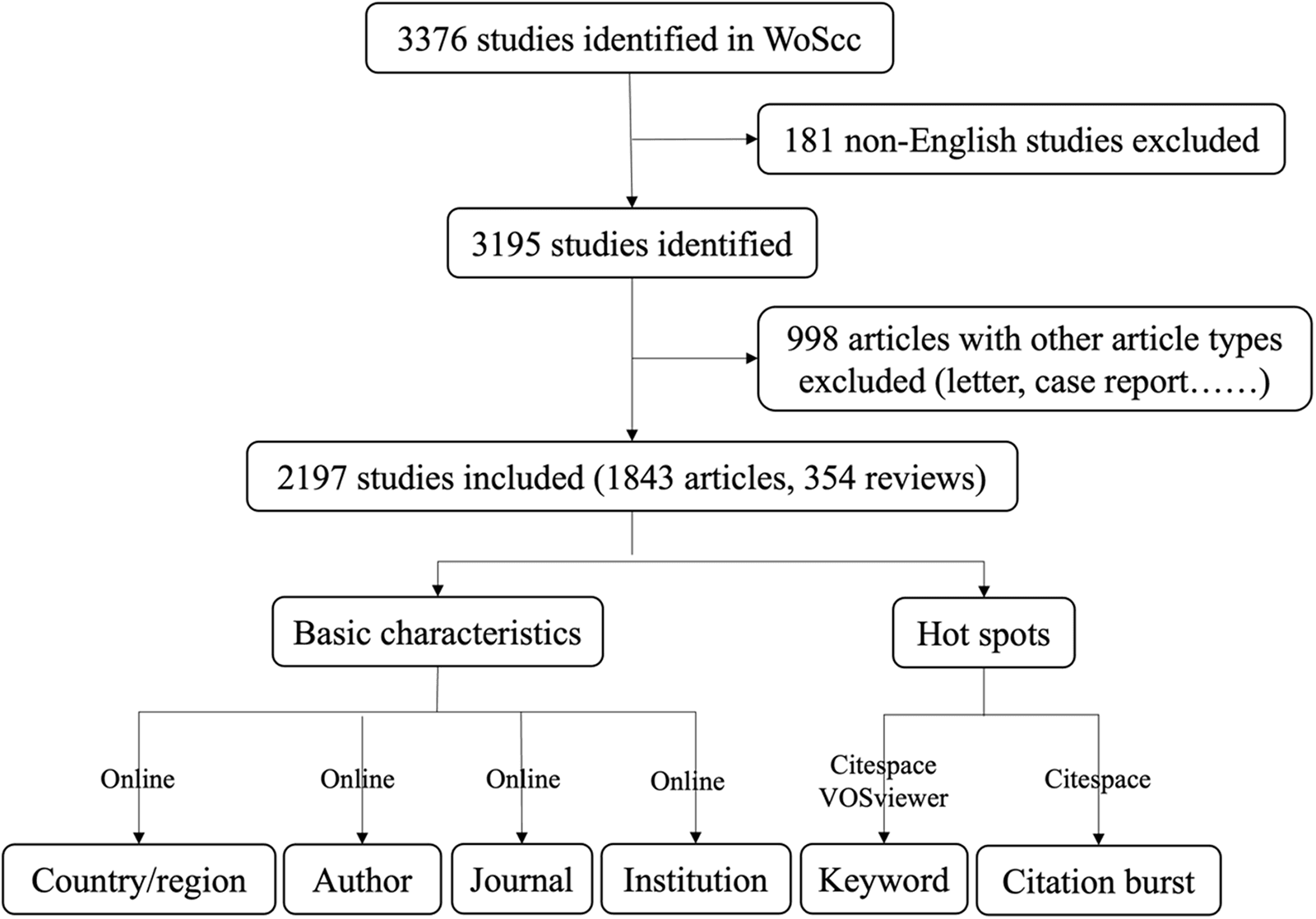
Figure 1. Flowchart of searching strategy.
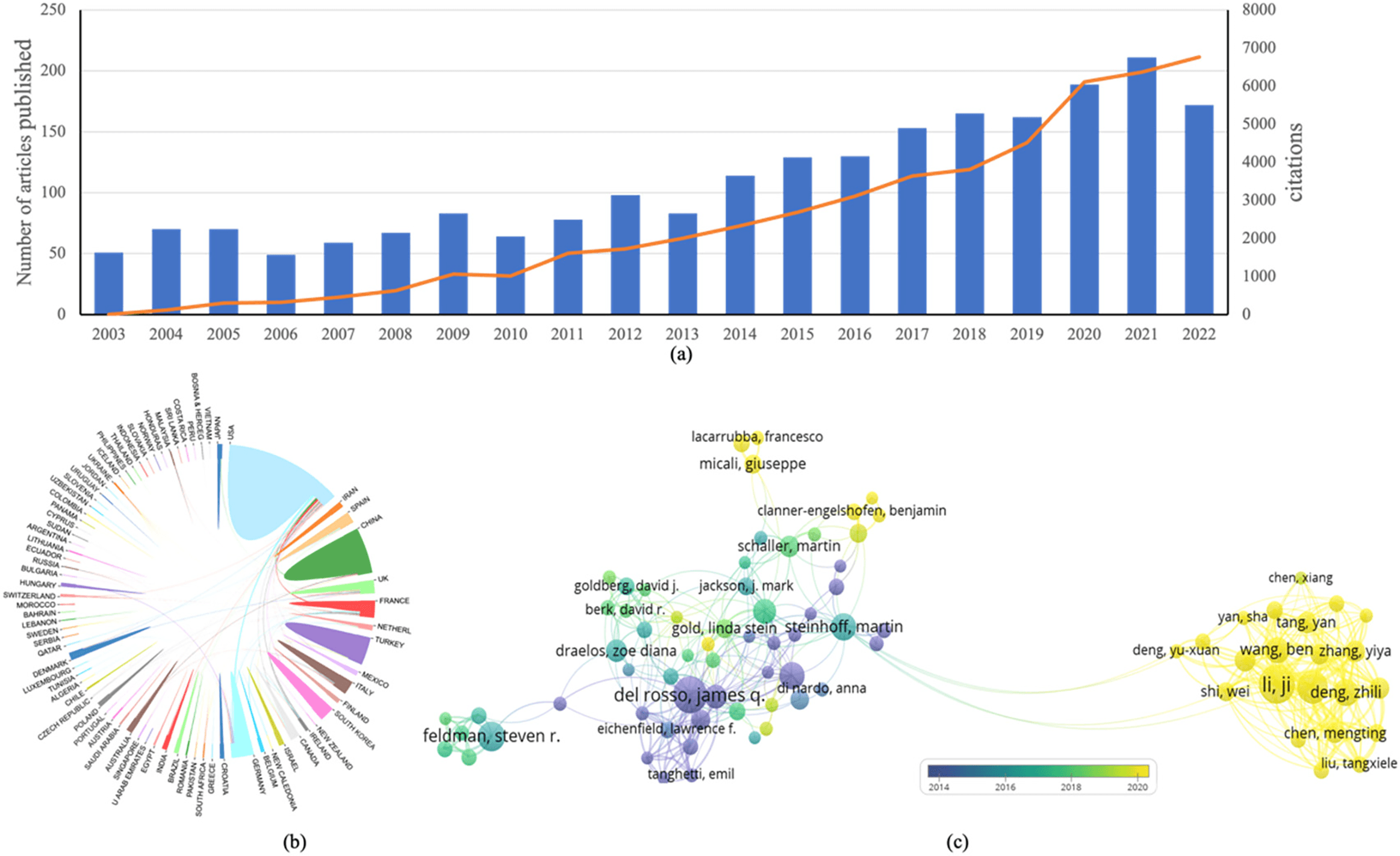
Figure 2. Publication trends of rosacea-related studies. (a) Annual number of publications and citations (WoScc); (b) international collaboration among countries/regions (Online Analysis Platform); and (c) authorship analysis (CiteSpace).
Countries/Regions and Authors Distribution
Analysis of WoScc data identified contributions from 85 countries or regions to rosacea-related publications. The most prolific contributors were the United States (35.37%), followed by China (9.92%) and Germany (8.42%). The top 10 most active countries or regions collectively accounted for 88.53% (1,945 of 2,197) of all included studies (Table 1). A substantial level of international collaboration was observed, as illustrated by the Online Analysis Platform (Fig. 2b).
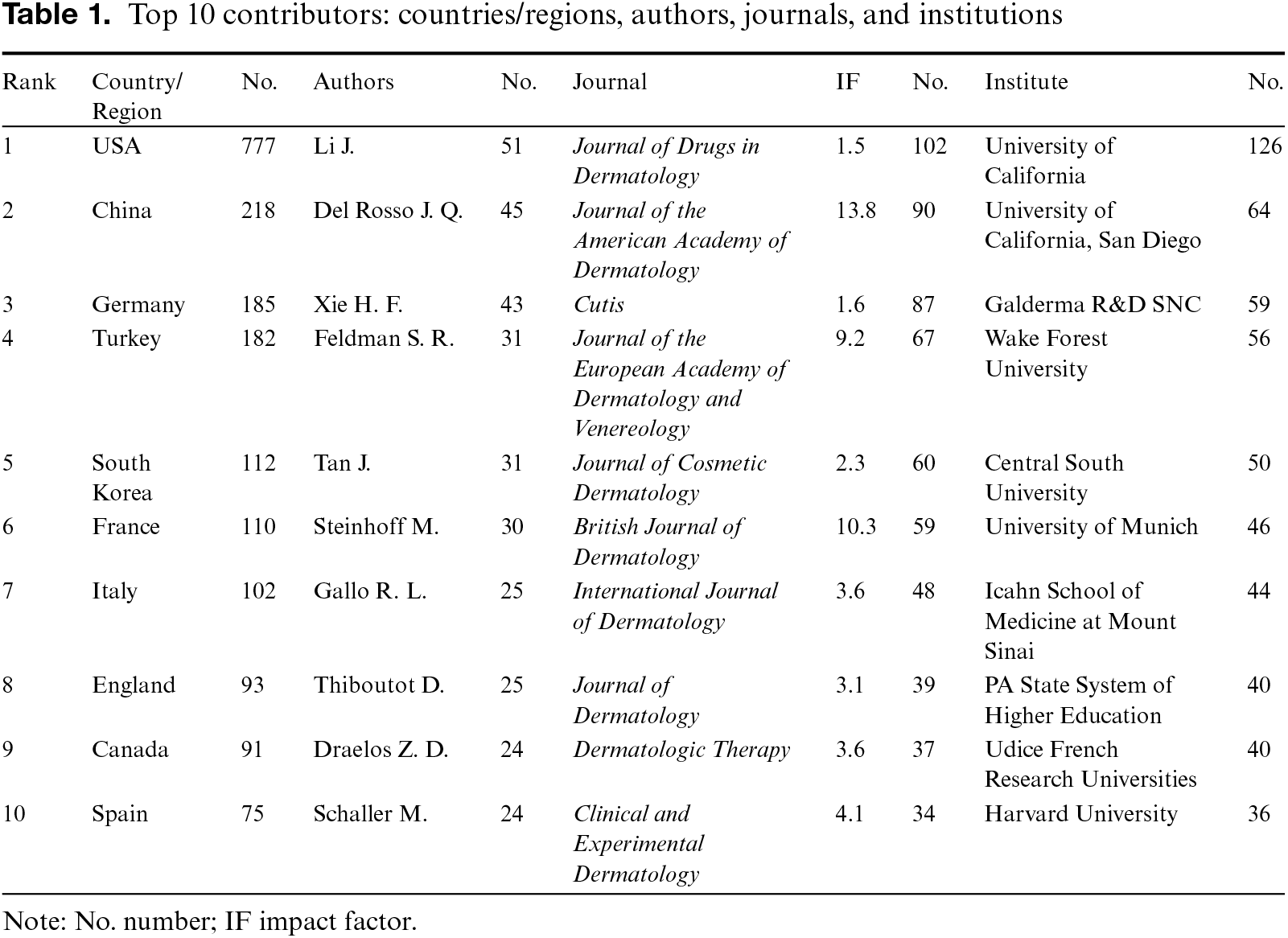
A total of 7,279 authors contributed to the included studies. The most productive authors were Li J. (China, 2.32% of studies), Del Rosso J. Q. (USA, 2.05%), and Xie H. F. (China, 1.96%). The top 10 most active authors were responsible for 14.97% (329 of 2,197) of the publications, as visualized using VOSviewer (Fig. 2c). In terms of authorship roles, Del Rosso J. Q. (1.55%), Draelos Z. D. (USA, 0.82%), and Zhao Y. E. (China, 0.05%) were the most frequent first authors. The most common corresponding authors were Del Rosso J. Q. (1.62%), Suh D. H. (Korea, 1.09%), and Draelos Z. D. (0.73%). Based on total citation counts, Steinhoff M. (USA, 1,280 citations), Gallo R. L. (USA, 1,162 citations), and Thiboutot D. (USA, 899 citations) ranked as the three most highly cited authors.
Journals and Institutions Distribution
According to the WoScc analysis, the included studies were published across 507 journals. The top three publishing journals were the JDD (4.64%), the JAAD (4.10%), and Cutis (3.96%) (Table 1). The 10 most active journals collectively accounted for 28.36% (623 of 2,197) of the total publications. Most of these journals had relatively high IFs, with JAAD reporting the highest (IF = 13.8). In terms of citation counts, JAAD ranked first (3,206 citations), followed by the British Journal of Dermatology (1,390 citations) and the Journal of the European Academy of Dermatology and Venereology (1,029 citations).
A total of 2,435 institutions contributed to the included studies. The most productive institutions were the University of California system (USA, 5.74%), the University of California, San Diego (USA, 2.91%), and Galderma R&D SNC (France, 2.69%). The 10 most active institutions accounted for 25.53% (561 out of 2,197) of the included publications, with 60% of these institutions based in the United States.
Keywords
The VOSviewer analysis identified a total of 6,741 keywords. Among these, 139 keywords appeared more than 20 times. The most frequently occurring keyword was “rosacea” (occurrences = 966, total link strength = 3,660), followed by “efficacy” (occurrences = 207, total link strength = 976) and “papulopustular rosacea” (occurrences = 145, total link strength = 844) (Fig. 3a). CiteSpace further categorized the keywords into eight thematic clusters, reflecting key research areas: efficacy, demodicosis, depression, angiogenesis, atopic dermatitis, meibomian gland dysfunction, acne rosacea, and erythema (Fig. 3b).
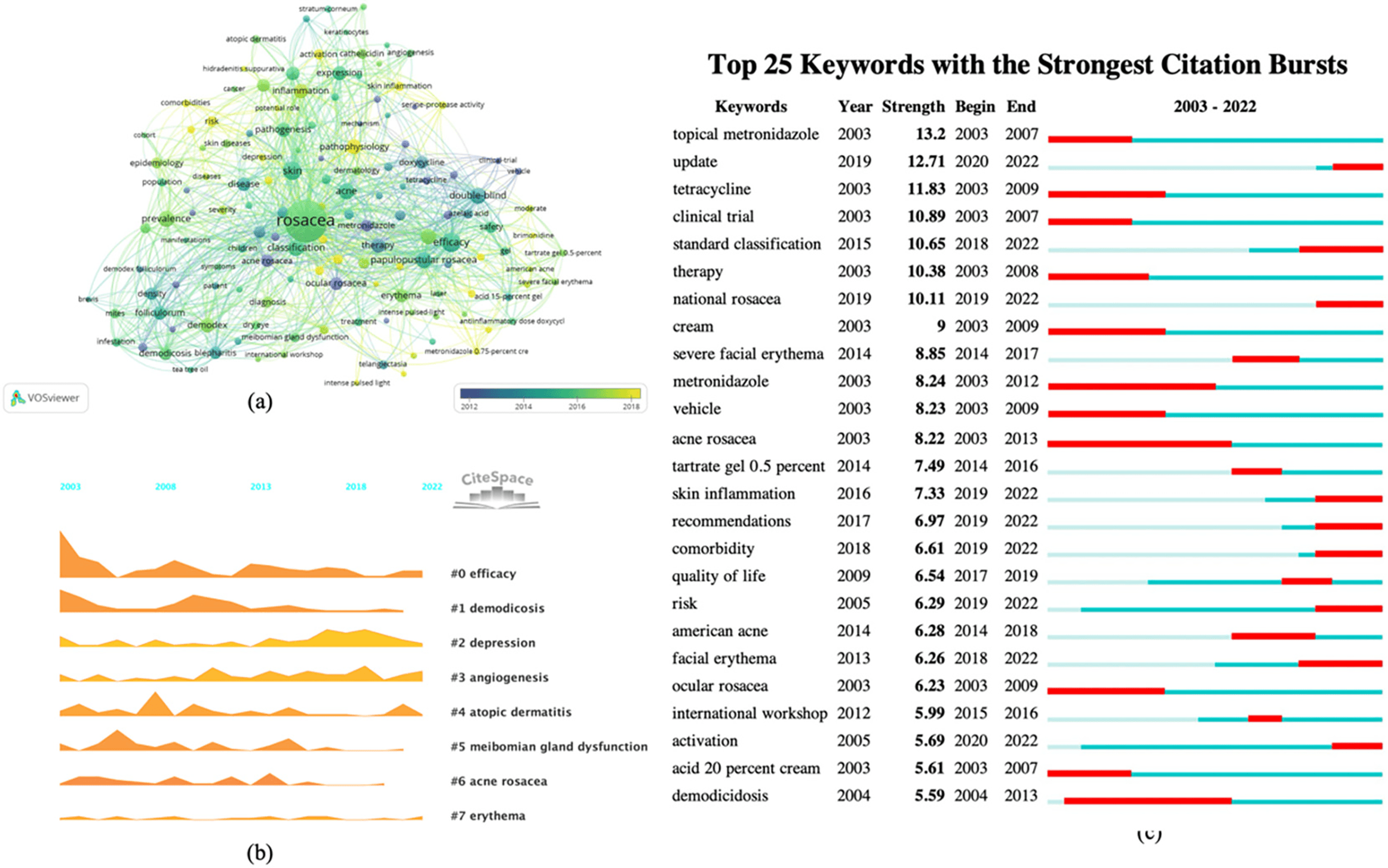
Figure 3. Research hotspots in rosacea-related studies. (a) Keywords (VOSviewer); (b) clusters of keywords (CiteSpace); and (c) top 25 keywords with the strongest citation bursts (CiteSpace).
The strongest citation bursts over the past two decades were observed for “topical metronidazole” (burst strength = 13.2), “update” (12.71), and “tetracycline” (11.83). Earlier research primarily focused on “topical metronidazole,” “tetracycline,” and “clinical trials.” Since 2019, emerging keywords such as “national rosacea,” “recommendation,” “comorbidity,” “risk,” “update,” and “activation” have exhibited strong citation bursts, indicating interest in standardized treatment protocols and broader clinical investigations in rosacea research (Fig. 3c).
Studies with Citation Bursts
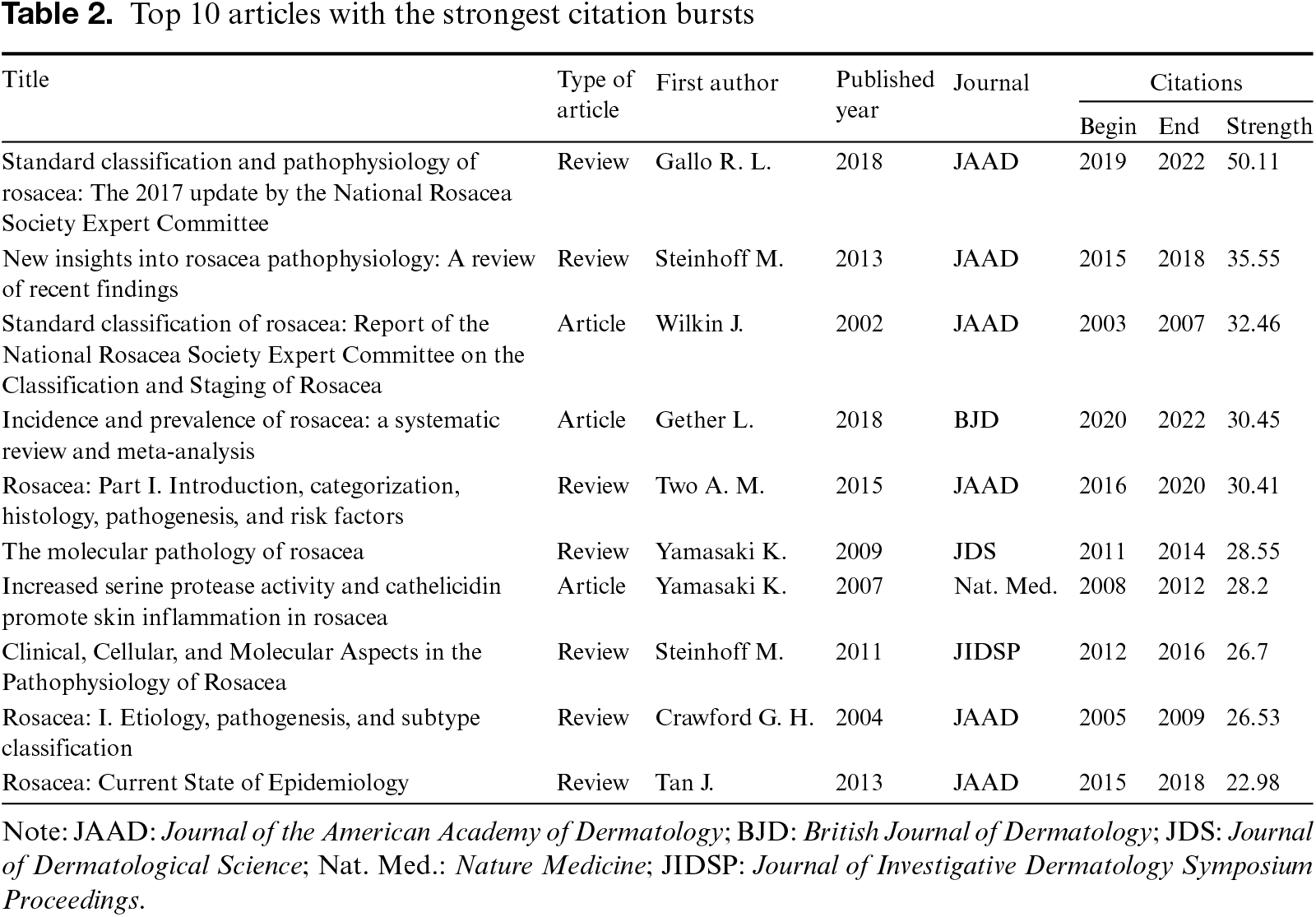
CiteSpace identified 371 studies with significant citation bursts. The top 10 studies with the strongest bursts were published between 2002 and 2018, with the majority classified as review articles (70%).18-24 All 10 were published in high-impact journals, the highest being Nature Medicine (IF = 82.9), which featured a pivotal study demonstrating elevated cathelicidin levels in the facial skin of rosacea patients and implicating an exaggerated innate immune response in rosacea pathogenesis.25 Notably, 60% of these top 10 studies were published in the JAAD (IF = 13.8).18,20,23,24,26,27
The strongest citation burst was associated with an article published in 2018, titled “Standard classification and pathophysiology of rosacea: The 2017 update by the National Rosacea Society Expert Committee” (burst strength = 50.11).18 This publication serves as an updated version of an earlier report, “Standard classification of rosacea: Report of the National Rosacea Society Expert Committee on the classification and staging of rosacea,” which exhibited the third strongest citation burst (burst strength = 32.46).27 Details of these top studies are summarized in Table 2.
Discussion
This bibliometric analysis underscores the growing scholarly interest in rosacea over the past two decades, evidenced by a steady increase in both publications and citations, particularly in recent years. The United States emerged as the leading contributor, supported by robust international collaboration and high institutional output, notably from the University of California system. Compared to earlier, narrower bibliometric assessments, this study offers a more comprehensive overview by leveraging advanced visualization tools to identify influential contributors, key journals, and prevailing thematic trends. A clear shift in research focus was observed, from early investigations centered on topical treatments such as metronidazole and tetracycline to a more recent emphasis on classification systems, comorbidities, and standardized management strategies. This evolution reflects a broader, more systematic approach to understanding and treating rosacea.28
Journals publish various types of content, including research articles, reviews, letters, case reports, editorials, and quizzes. Among these, original articles and reviews are typically cited more frequently, thereby contributing more significantly to a journal’s IF. As the IF is widely regarded as an indicator of journal quality—calculated based on the number of citations received in a year—limiting bibliometric analysis to articles and reviews enhances the relevance and comparability of citation-based metrics.29,30 While original research offers critical clinical and mechanistic insights, review articles often attract more citations by synthesizing and conceptualizing findings from a broad range of studies. This citation pattern highlights the complementary roles of original investigations and comprehensive reviews in advancing knowledge and visibility within a given field.
The number of citations a study receives is primarily influenced by its publication date and the IF of the journal in which it is published. Older publications generally accumulate more citations over time, and articles appearing in high-impact journals are more likely to be referenced by other researchers.31 In recent years, rosacea-related research has attracted increasing academic attention, as evidenced by the continuous rise in annual citation counts. This trend reflects not only a growing interest in the field but also a gradual improvement in the quality and visibility of rosacea studies.
Approximately one-third of the included studies originated from the United States, and 60% of the top 10 most active authors and institutions were also based there, underscoring the dominant role of the United States in rosacea research. This high output may be attributed to greater access to research funding, well-established institutional infrastructure, and strong collaborations with industry partners. However, recent years have seen a marked increase in contributions from Chinese researchers, reflecting a rising domestic interest in the condition. This trend may be driven by China’s large population base, increased public awareness, and evolving healthcare-seeking behavior. Additionally, international collaboration has intensified, indicating a collective global effort to advance the understanding and management of rosacea.
A total of 12.7% of rosacea-related studies were published in the three most active journals: JDD, JAAD, and Cutis. Among all journals, Nature Medicine had the highest IF (IF = 82.7). JAAD, the official scientific publication of the American Academy of Dermatology (AAD), holds a prominent position in the field, with an IF of 13.8 and a CiteScore of 8.70, ranking 7th out of 133 dermatology journals. As the official platform for publishing AAD practice guidelines, JAAD upholds rigorous editorial standards and accepts only high-quality research. Notably, 60% of the top 10 studies with the strongest citation bursts were published in JAAD, underscoring the journal’s central role in disseminating influential findings. This pattern reflects both the increasing academic interest in rosacea and the growing volume of high-impact research dedicated to this dermatologic condition.
Keywords with strong citation bursts often indicate emerging research hotspots. In this study, 139 frequently cited keywords were grouped into eight thematic clusters encompassing rosacea’s mechanisms, clinical features, treatments, and psychosocial aspects. Early citation bursts, such as “topical metronidazole,” “tetracycline,” and “clinical trial,” reflected a focus on treatment strategies. In contrast, recent bursts, such as “national rosacea,” “recommendation,” “comorbidity,” and “activation,” suggest a shift toward understanding underlying mechanisms and developing consensus guidelines. Over time, research has moved from topical therapies toward mechanistic insights involving immune pathways, neurovascular factors, and Demodex mites. Trends in keyword usage highlight a growing interest in targets such as cathelicidin, TRPV1, the microbiome, and genetic contributors, reflecting an evolving focus in rosacea research toward personalized, mechanism-based treatments and uncovering essential gaps for future investigation.
This shift mirrors the typical progression of disease investigation: initial empirical treatment, followed by structured clinical trials, mechanistic exploration, and, ultimately, the formulation of clinical guidelines by expert panels. Notably, the growing interest in inflammatory pathways, reflected by recent bursts in keywords, such as “inflammation,” “immune response,” and “innate immunity,” has been catalyzed by influential studies elucidating the role of Toll-like receptors, cathelicidins, and other immunological mediators in rosacea pathophysiology. These findings have reshaped the understanding of disease mechanisms and steered research toward targeted therapies, marking inflammation as a central and promising direction for future investigation.32
Due to the bibliometric nature of this study, formal quality assessment of included articles was not performed. Inclusion was based on citation metrics and relevance, which may not fully reflect methodological rigor or potential biases. Findings should be interpreted accordingly.
Conclusion
This bibliometric analysis identified publication trends and research hotspots in rosacea-related literature over the past two decades. It highlighted emerging directions in the field, offering a deeper understanding of the disease. Ongoing high-quality research is essential for advancing the diagnosis, treatment, and overall management of rosacea.
Acknowledgment
None.
Funding Source
This work was supported by the National Natural Science Foundation of China (Grant number: 82103758) and the Natural Science Foundation of Liaoning Province (No. 2024-MS-056).
Author Contributions
Y.W. and Y.S. contributed to the study design and drafting. L.H.C., S.-Y.C., and Y.Z. worked on the study search, quality check, data extraction, and analysis. J.-X.W. and M.D. worked on data interpretation and the revision process. All authors have read the manuscript and agree with its content and data.
Data Availability
The datasets are available from the corresponding author upon reasonable request.
Ethical Statement
Institutional Review Board approval was waived due to the nature of the meta-analysis.
Conflict of Interest
The authors report no conflicts of interest in this work.
Supplemental Information
Supplemental information for this article can be found online at https://sup.jclinque.com/api/articles/74/download-suppl.
References
[1] Schaller M, Almeida LMC, Bewley A, et al. Recommendations for rosacea diagnosis, classification and management: update from the global ROSacea COnsensus 2019 panel. Br J Dermatol. May 2020;182(5):1269–1276. doi:10.1111/bjd.18420.
[2] Piccolo D, Fusco I, Zingoni T, Conforti C. Effective treatment of rosacea and other vascular lesions using intense pulsed light system emitting vascular chromophore-specific wavelengths: a clinical and dermoscopical analysis. J Clin Med. March 13, 2024;13(6):1646. doi:10.3390/jcm13061646.
[3] Sarkar R, Podder I, Jagadeesan S. Rosacea in skin of color: a comprehensive review. Indian J Dermatol Venereol Leprol. November–December 2020;86(6):611–621. doi:10.4103/ijdvl.IJDVL_769_19.
[4] Chen A, Choi J, Balazic E, Zhu TR, Kobets K. Review of laser and energy-based devices to treat rosacea in skin of color. J Cosmet Laser Ther. January–June 2024;26(1-4):43–53. doi:10.1080/14764172.2024.2376701.
[5] Li J, Wang B, Deng Y, et al. Epidemiological features of rosacea in Changsha, China: a population-based, cross-sectional study. J Dermatol. May 2020;47(5):497–502. doi:10.1111/1346-8138.15301.
[6] Paiva-Santos AC, Gonçalves T, Peixoto D, et al. Rosacea topical treatment and care: from traditional to new drug delivery systems. Mol Pharm. August 2023;7(8):3804–3828. doi:10.1021/acs.molpharmaceut.3c00324.
[7] Thapa L, Xia J, Guo W, Usmani H, Miller D, Lozeau D. Rosacea and its association with malignancy: systematic review. JMIR Dermatol. November 8, 2023;6:e47821. doi:10.2196/47821.
[8] Frydrych ZL, Chwarścianek N, Błaszak K, Czajkowski R. The potential role of Helicobacter pylori and other gut dysbiosis factors in the development of rosacea. Forum Dermatologicum. 2023;9(4):138–142. doi:10.5603/fd.96224.
[9] Han J, Liu T, Zhang M, Wang A. The relationship between inflammatory bowel disease and rosacea over the lifespan: a meta-analysis. Clin Res Hepatol Gastroenterol. August 2019;43(4):497–502. doi:10.1016/j.clinre.2018.09.009.
[10] Choi D, Choi S, Choi S, Park SM, Yoon HS. Association of rosacea with cardiovascular disease: a retrospective cohort study. J Am Heart Assoc. October 5, 2021;10(19):e020671. doi:10.1161/jaha.120.020671.
[11] Barberis N, Cannavò M, Trovato M, Verrastro V. Pathways from trait emotional intelligence to factors of distress in rosacea: the mediating role of social phobia and self-esteem. J Affect Disord. June 15, 2023;331(21):362–368. doi:10.1016/j.jad.2023.03.003.
[12] Kellog AO. Case of acne rosacea: treated with liquor potassae arsenitis. Buffalo Med J Mon Rev Med Surg Sci. March 1848;3(10):598–600.
[13] Hakkaraki VP. Exploring the evolution of bibliometric analysis: a comprehensive study of scientific publications from 1974 to 2024 using the dimensions AI database. Asian J Inform Sci Technol. May 20, 2024;14(1):24–31. doi:10.70112/ajist-2024.14.1.3878.
[14] Ahmad P, Slots J. A bibliometric analysis of periodontology. Periodontol 2000. February 2021;85(1):237–240. doi:10.1111/prd.12376.
[15] Akmal M, Hasnain N, Rehan A, et al. Glioblastome multiforme: a bibliometric analysis. World Neurosurg. April 2020;136:270–282. doi:10.1016/j.wneu.2020.01.027.
[16] Yu YT, Li YJ, Zhang ZH, et al. A bibliometric analysis using VOSviewer of publications on COVID-19. Ann Transl Med. July 2020;8(13):816. doi:10.21037/atm-20-4235.
[17] Kim D, Chae Y, Park HJ, Lee IS. A bibliometric analysis of atopic dermatitis research over the past three decades and future perspectives. Healthcare (Basel). December 17, 2021;9(12):1749. doi:10.3390/healthcare9121749.
[18] Gallo RL, Granstein RD, Kang S, et al. Standard classification and pathophysiology of rosacea: the 2017 update by the National Rosacea Society Expert Committee. J Am Acad Dermatol. January 2018;78(1):148–155. doi:10.1016/j.jaad.2017.08.037.
[19] Steinhoff M, Schauber J, Leyden JJ. New insights into rosacea pathophysiology: a review of recent findings. J Am Acad Dermatol. December 2013;69(6 Suppl 1):S15–S26. doi:10.1016/j.jaad.2013.04.045.
[20] Two AM, Wu W, Gallo RL, Hata TR. Rosacea: part I. Introduction, categorization, histology, pathogenesis, and risk factors. J Am Acad Dermatol. May 2015;72(5):749–758. doi:10.1016/j.jaad.2014.08.028.
[21] Yamasaki K, Gallo RL. The molecular pathology of rosacea. J Dermatol Sci. August 2009;55(2):77–81. doi:10.1016/j.jdermsci.2009.04.007.
[22] Steinhoff M, Buddenkotte J, Aubert J, et al. Clinical, cellular, and molecular aspects in the pathophysiology of rosacea. J Investig Dermatol Symp Proc. December 2011;15(1):2–11. doi:10.1038/jidsymp.2011.7.
[23] Crawford GH, Pelle MT, James WD. Rosacea: I. Etiology, pathogenesis, and subtype classification. J Am Acad Dermatol. September 2004;51(3):327–341. doi:10.1016/j.jaad.2004.03.030.
[24] Tan J, Berg M. Rosacea: current state of epidemiology. J Am Acad Dermatol. December 2013;69(6 Suppl 1):S27–S35. doi:10.1016/j.jaad.2013.04.043.
[25] Yamasaki K, Di Nardo A, Bardan A, et al. Increased serine protease activity and cathelicidin promotes skin inflammation in rosacea. Nat Med. August 2007;13(8):975–980. doi:10.1038/nm1616.
[26] Steinhoff M, Schauber J, Leyden JJ. New insights into rosacea pathophysiology: a review of recent findings. J American Acad Dermatol. December 2013;69(6):S15–S26. doi:10.1016/j.jaad.2013.04.045.
[27] Wilkin J, Dahl M, Detmar M, et al. Standard classification of rosacea: report of the national rosacea society expert committee on the classification and staging of rosacea. J Am Acad Dermatol. April 2002;46(4):584–587. doi:10.1067/mjd.2002.120625.
[28] Wang Y, Zhang H, Fang R, Tang K, Sun Q. The top 100 most cited articles in rosacea: a bibliometric analysis. J Eur Acad Dermatol. October 2020;34(10):2177–2182. doi:10.1111/jdv.16305.
[29] Hartel R. Impact Factor-for better or worse. J Food Sci. September 2021;86(9):3758. doi:10.1111/1750-3841.15219.
[30] Rodríguez-Lago L, Molina-Leyva A, Pereiro-Ferreirós M, García-Doval I. Influence of article type on the impact factor of dermatology journals, (Influencia de los distintos tipos de artículo en el factor de impacto de las revistas dermatológicas). Actas Dermosifiliogr (Engl Ed). June 2018;109(5):432–438. doi:10.1016/j.ad.2018.01.003.
[31] Schargus M, Kromer R, Druchkiv V, Frings A. The top 100 papers in dry eye-A bibliometric analysis. Ocul Surf. January 2018;16(1):180–190. doi:10.1016/j.jtos.2017.09.006.
[32] Sun Y, Chen LH, Lu YS, et al. Identification of novel candidate genes in rosacea by bioinformatic methods. Cytokine. May 2021;141:155444. doi:10.1016/j.cyto.2021.155444.
 |
Copyright © 2025 Chen et al. This work is licensed under a Creative Commons Attribution 4.0 International License, which permits unrestricted use, distribution, and reproduction in any medium, provided the original work is properly cited. |