| Journal of Clinical Question. 2025; 2(2): e68 https://doi.org/10.69854/jcq.2024.0023 Advance access publication date 29 April 2025 |
 |
Meta-Analysis
Efficacy and Safety of Transcatheter therapy for Secondary Mitral Regurgitation: A Systematic Review and Meta-Analysis of Randomized Controlled Trials
Zaiqiang Yu 1,*, Shihu Men1, Jun Liu2
1Department of Thoracic and Cardiovascular Surgery, Hirosaki University, Aomori, Japan.
2Department of Cardiology, The Fourth Affiliated Hospital of China Medical University, Shenyang, China.
*Corresponding Author: e-mail: yuzaiqiang@hirosaki-u.ac.jp
Submitted: December 24, 2024 Accepted: April 29, 2025
Clinical Question Box
Is MitraClip recommended for managing secondary mitral regurgitation with Grade 3+ or 4+?
MitraClip is weakly recommended for treating secondary mitral regurgitation (Grade 3+ or 4+) in selected patients as an alternative to optimal medical therapy or surgery. This recommendation is based on moderate- to high-certainty evidence indicating its benefits in reducing heart failure-related rehospitalizations and mortality. While MitraClip has shown effectiveness in preventing the recurrence of severe mitral regurgitation compared to medical or therapy, it has not demonstrated superiority over surgical intervention. Additionally, no significant evidence supports its role in promoting left ventricular functional recovery. Further studies are needed to assess the cost-effectiveness of MitraClip relative to surgery in this patient population.
Abstract
Introduction: Mitral regurgitation (MR) is a common cardiovascular disorder associated with high mortality and healthcare costs. Treatment options include conventional surgical interventions and transcatheter approaches, such as the MitraClip device. Methods: A systematic review and meta-analysis were performed to evaluate the efficacy and safety of the MitraClip device versus optimal medical care or surgery for secondary MR, focusing exclusively on randomized controlled trials (RCTs). Comprehensive searches of multiple databases were conducted in December 2024. Results: The analysis included four RCTs with a total of 1,631 patients, assessing the efficacy and safety of the MitraClip device compared to conventional or surgical treatment for secondary MR. MitraClip significantly reduced the risk of heart failure-related rehospitalizations (odds ratio [OR]: 0.53, 95% confidence interval [CI]: 0.31–0.90, p = 0.02), all-cause mortality (OR: 0.73, 95% CI: 0.54–0.98, p = 0.04), recurrence of Grade 3+ or 4+ MR (OR: 0.17, 95% CI: 0.03–0.93, p = 0.04; I2 = 90%), and unplanned postoperative mitral valve interventions (OR: 0.54, 95% CI: 0.33–0.90, p = 0.02). However, its impact on improving New York Heart Association class I/II was limited (OR: 1.47, 95% CI: 0.77–2.78, p = 0.24). Conclusion: MitraClip therapy offers significant benefits compared to medical therapy or surgery for secondary MR, including reduced rehospitalization and mortality rates.
Keywords: Mitral regurgitation, MitraClip, surgery, transcatheter, secondary, meta-analysis
Introduction
Mitral regurgitation (MR) ranks as the third most prevalent valvular heart disease, impacting an estimated 24.2 million individuals worldwide. MR predominantly affects older populations and contributed to approximately 0.88 million disability-adjusted life-years and 34,000 deaths globally in 2019.1 MR imposes a significant hemodynamic strain on the cardiovascular system, manifesting as left atrial enlargement, pulmonary hypertension, and ultimately, heart failure. The etiology of MR can be primary or secondary. Primary MR arises from intrinsic abnormalities of the mitral valve apparatus, while secondary MR results from left ventricular dysfunction or remodeling, often seen in the context of ischemic or nonischemic cardiomyopathy.2,3 In secondary MR, the prognosis in acutely decompensated heart failure worsens significantly, although the condition can exhibit rapid responsiveness to changes in fluid balance and therapeutic interventions.4 If left untreated, MR leads to progressive deterioration of cardiac function, heightened mortality rates, and severely diminished quality of life.5 Additionally, the condition imposes substantial economic burdens due to frequent hospitalizations, advanced diagnostic testing, and expensive treatment options. Patients who receive surgical or transcatheter interventions tend to have reduced healthcare expenses in subsequent years compared to those managed medically.6 Therefore, effective MR management is critical for enhancing patient outcomes and reducing the financial burden on healthcare systems.
Traditional MR management has relied heavily on surgical interventions, including mitral valve repair and replacement. Mitral valve repair is typically preferred to replacement, given its superior outcomes in left ventricular function preservation, lower thromboembolic risk, and improved long-term survival.7 Surgical repair involves techniques such as annuloplasty, leaflet resection, or chordal reconstruction to restore valve competence. However, these procedures are inherently invasive and associated with perioperative risks, particularly in older adults or those with multiple comorbidities. Complications such as stroke, infection, and prolonged recovery periods underscore the need for alternative approaches in high-risk populations.8 Over the past decade, percutaneous therapies such as the MitraClip device have emerged as innovative solutions for the treatment of MR.9 The MitraClip system employs a transcatheter approach to approximate the mitral valve leaflets, thereby reducing regurgitation. This minimally invasive technique has gained traction due to its ability to offer comparable symptomatic relief with significantly reduced procedural risks.10 Clinical trials have demonstrated its efficacy in improving functional status and reducing hospitalizations in selected patient populations.11 Furthermore, the shorter recovery time associated with MitraClip procedures enhances its appeal, particularly for patients ineligible for surgery due to frailty or other contraindications.
In cases of moderate-to-severe MR, where conventional, surgical, and percutaneous treatments are all potential options, selecting the optimal therapy remains challenging. Surgical repair is often favored for patients with primary MR who are good surgical candidates, given its proven durability and ability to restore normal valve function. Conversely, MitraClip is increasingly being adopted for patients with secondary MR, especially those with advanced heart failure or contraindications to surgery. The results of landmark trials, such as the COAPT and MITRA-FR studies, have provided valuable insights into the efficacy of MitraClip in this subset of patients, although differences in study designs and patient populations have sparked considerable debate in the cardiology community.12 This meta-analysis seeks to address the existing knowledge gaps by systematically evaluating the comparative effectiveness and safety of MitraClip versus conventional or surgical treatment in randomized controlled trials (RCTs) for treating secondary MR. By synthesizing evidence from high-quality studies, this analysis aims to provide a robust foundation for clinical decision-making and offer guidance on the relative merits and risks of these therapeutic options.
Methods
Study Protocol and Registry
This meta-analysis was conducted in accordance with the PRISMA (Preferred Reporting Items for Systematic Reviews and Meta-Analyses) guidelines to ensure methodological rigor and transparency.13 The study was registered in the University Hospital Medical Information Network (UMIN) with the ID UMIN000056472.14 Ethical approval was not required, as the research involved the analysis of previously published data.
Search Strategy
A comprehensive literature search was conducted across PubMed, EMBASE, Web of Science, and the Cochrane Library databases to identify RCTs comparing MitraClip with surgical or medical interventions for secondary MR. The search included studies published up to December 18, 2024, using the key terms “MitraClip,” “transcatheter,” and “percutaneous” to identify the intervention, “mitral regurgitation” to identify the patient population, and “randomized controlled trial” or “RCT” to limit the search to relevant study designs. Reference lists of key articles were manually screened to ensure that no relevant studies were missed.
Eligibility Criteria
Studies were included if they: (1) enrolled patients with secondary MR, (2) evaluated MitraClip as the intervention, (3) used mitral valve surgery or medicine therapy as the comparator, and (4) reported at least one predefined outcome. The exclusion criteria were studies that: (1) were not RCTs, (2) did not involve MitraClip, (3) were sub-analyses of previous studies, and (4) had incomplete data reporting. No language restrictions were applied to ensure inclusiveness.
Study Selection and Data Extraction
Titles and abstracts of the identified articles were independently screened by two reviewers (Z.Y. and S.M.), and full texts of potentially eligible studies were assessed for final inclusion. Any disagreements regarding study selection were resolved through discussion or by involving a third reviewer (J.L.). Data were extracted using a standardized form to collect details on study characteristics (author, publication year, and study design), patient demographics (age, gender, and baseline clinical features), intervention specifics (follow-up duration), and outcomes (all-cause mortality, rehospitalization, functional improvement, MR recurrence, and adverse events). Two reviewers independently performed data extraction, with discrepancies resolved by consensus.
Quality Assessment
The quality of the included studies was assessed using the Cochrane Risk of Bias tool, which evaluates random sequence generation, allocation concealment, blinding of participants and outcome assessors, incomplete outcome data, selective reporting, and other potential biases.15 Each domain was rated as “low risk,” “high risk,” or “unclear risk.” Studies with a high risk of bias in multiple domains were flagged and included in sensitivity analyses.
Outcomes
The outcomes evaluated included rehospitalization, mortality, recurrence of MR, functional improvement, and unplanned MR intervention. The definition of rehospitalization was restricted to heart failure during the follow-up period. Mortality was not restricted to cardiovascular-related causes. Recurrence of MR was limited to Grade 3+ or 4+. Functional improvement was assessed using the New York Heart Association (NYHA) classification for classes I and II. Unplanned MR intervention included either transcatheter or surgical treatment.
Statistical Analysis
Statistical analyses were conducted using Review Manager (RevMan 5.4). Dichotomous outcomes were expressed as odds ratios (ORs) with 95% confidence intervals (CIs). A random-effects model was applied to account for heterogeneity among studies, which was assessed using the I2 statistic. Heterogeneity was categorized as low (25%), moderate (50%), or high (75%). A fixed-effect model was applied when I2 was less than 25%. Funnel plots were used to assess publication bias and evaluate funnel plot asymmetry. Sensitivity analyses were performed by excluding studies with a high risk of bias to ensure robust findings. A subgroup analysis was conducted based on optimal medical therapy and surgical intervention.
Evidence Level Assessment
The level of evidence for each outcome was determined using the Grading of Recommendations Assessment, Development, and Evaluation (GRADE) system.16 Evidence was classified as high, moderate, low, or very low, based on factors such as the risk of bias, consistency of results across studies, directness of evidence, precision of estimates, and the presence of publication bias. When appropriate, the level of evidence was downgraded due to limitations in study quality or upgraded based on strong effect sizes or large sample sizes, per GRADE criteria.
Results
Study Selection and Characteristics
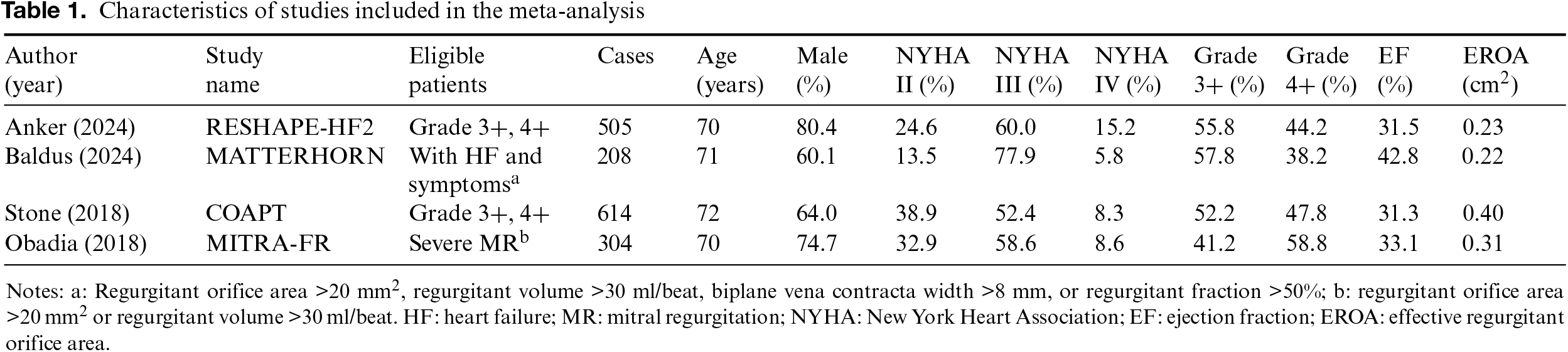
A search of the databases yielded 1,361 articles. Four RCTs were finally included in the analysis following duplicate checks, first screening, second screening, and the removal of 201, 1,018, and 138 articles respectively (Fig. S1). The enrolled studies, comprising 1,631 patients, were analyzed to compare the efficacy and safety of the MitraClip device with conventional or surgical interventions for secondary MR. Patient characteristics, treatment outcomes, and study designs are summarized in Table 1.17–20 Male patients were predominant in all studies, with the mean age ranging from 66 to 72 years. Three studies included patients with Grade 3+ or 4+ MR, while the MATTERHORN study applied additional criteria from the MITRA-FR study, including a regurgitant fraction greater than 50% and a biplane vena contracta width greater than 8 mm compared to surgery. The RESHAPE-HF2 study included the highest proportion of NYHA class IV patients; however, the Grade 3+ and 4+ MR proportions were similar. The meta-analysis used results from the RESHAPE-HF2 and COAPT studies, which had a 2-year follow-up, while the other studies had a 1-year follow-up.
Rehospitalization due to Heart Failure
Four studies compared the risks of unplanned rehospitalization due to heart failure between MitraClip and conventional or surgical treatment. MitraClip showed a reduced risk, with an OR of 0.53 (95% CI: 0.31–0.90, p = 0.02; I2 = 80%) (Fig. 1). A subgroup analysis was conducted comparing MitraClip with conventional or surgical treatment. Data from the comparison with conventional treatment showed an OR of 0.54 (95% CI: 0.30–0.99, p = 0.05; I2 = 87%), while comparison with surgical treatment reflected an OR of 0.41 (95% CI: 0.10–1.64, p = 0.21). A sensitivity analysis, performed by excluding the results of the MITRA-FR study, revealed consistent findings, with an OR of 0.40 (95% CI: 0.29–0.55, p < 0.001; I2 = 37%) (Fig. S2).
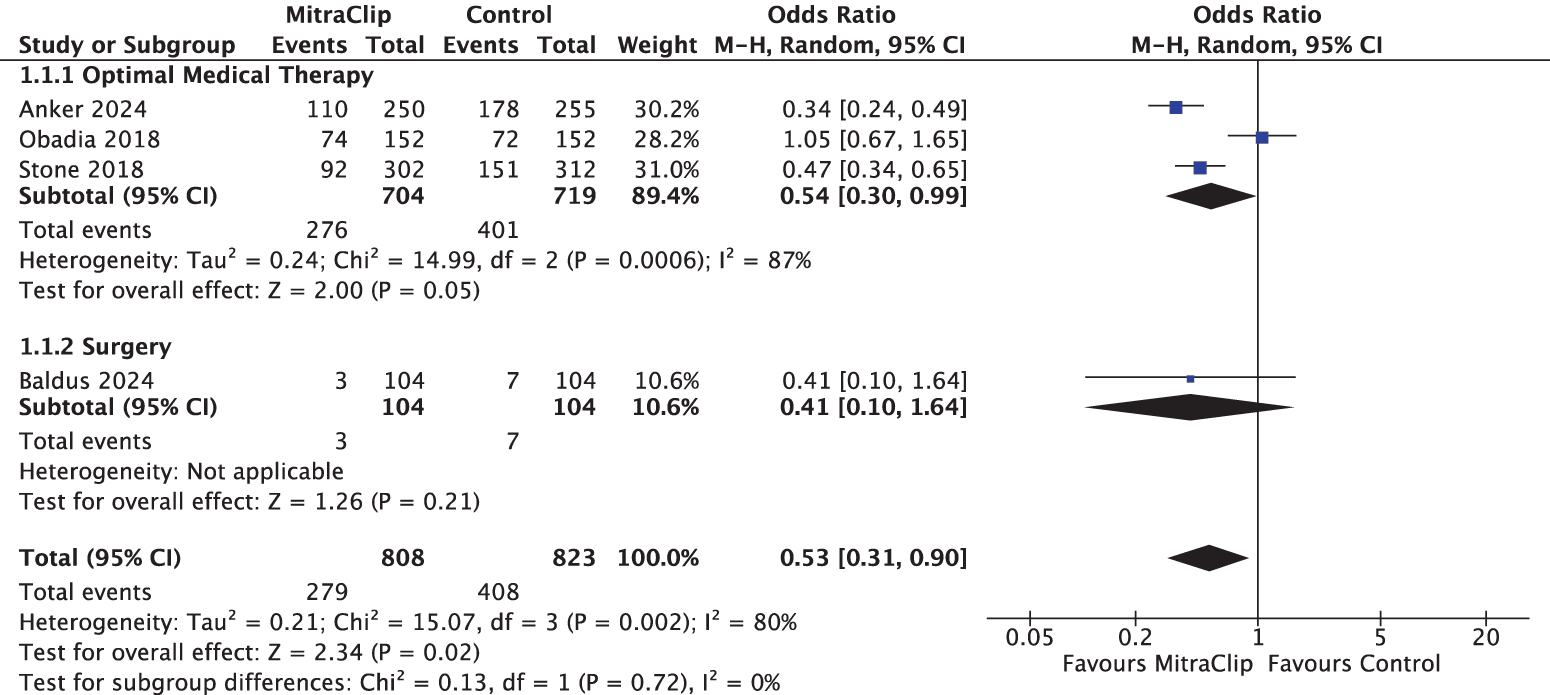
Figure 1. Effectiveness of MitraClip in reducing rehospitalization due to heart failure.
All-Cause Mortality
Four studies evaluated the efficacy of MitraClip versus medicine or surgery therapy in reducing all-cause mortality. The MitraClip group demonstrated a reduced mortality risk, with an OR of 0.73 (95% CI: 0.54–0.98, p = 0.04; I2 = 32%) (Fig. 2). A subgroup analysis was conducted comparing MitraClip with conventional or surgical treatment. Data from the comparison with conventional treatment showed an OR of 0.74 (95% CI: 0.51–1.06, p = 0.10; I2 = 54%), while comparison with surgical treatment reflected an OR of 0.78 (95% CI: 0.30–2.07, p = 0.62). A sensitivity analysis, performed by excluding the results of the MITRA-FR study, revealed consistent findings, with an OR of 0.63 (95% CI: 0.48–0.81, p < 0.001; I2 = 0%) (Fig. S3).
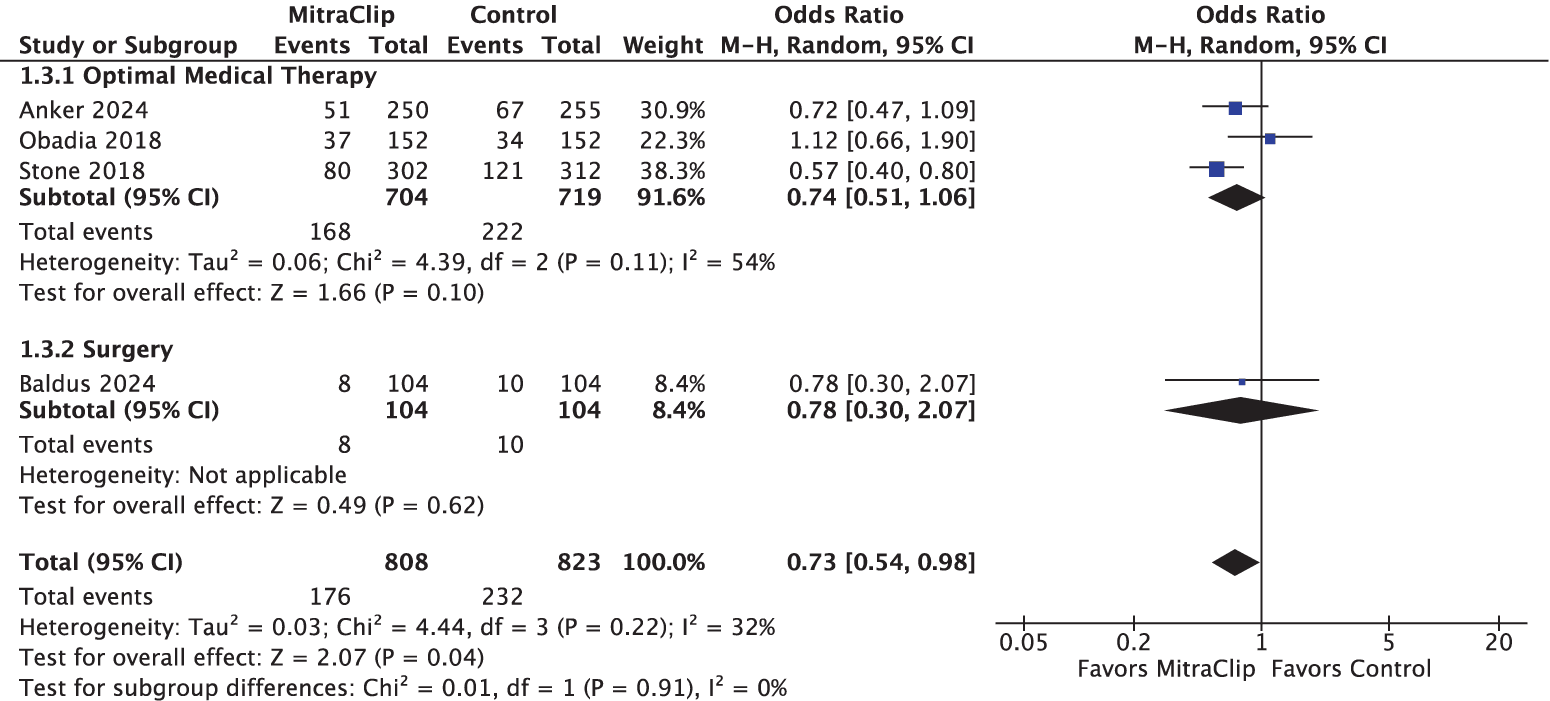
Figure 2. Effectiveness of MitraClip in reducing all-cause mortality.
Recurrence of MR with Grade 3+ or 4+
Three studies evaluated the risk of recurrence of MR with Grade 3+ or 4+ between MitraClip and medical or surgical treatments. The pooled analysis showed a tendency toward reduced recurrence in the MitraClip group, with an OR of 0.17 (95% CI: 0.03–0.93, p < 0.001; I2 = 90%) (Fig. 3). The subgroup analysis showed the MitraClip group had reduced recurrence, with an OR of 0.05 (95% CI: 0.03–0.09, p < 0.001; I2 = 0%) compared with conventional therapy, while the surgery group showed a low risk of recurrence with OR of 6.22 (95% CI: 0.75–51.95, p < 0.09).
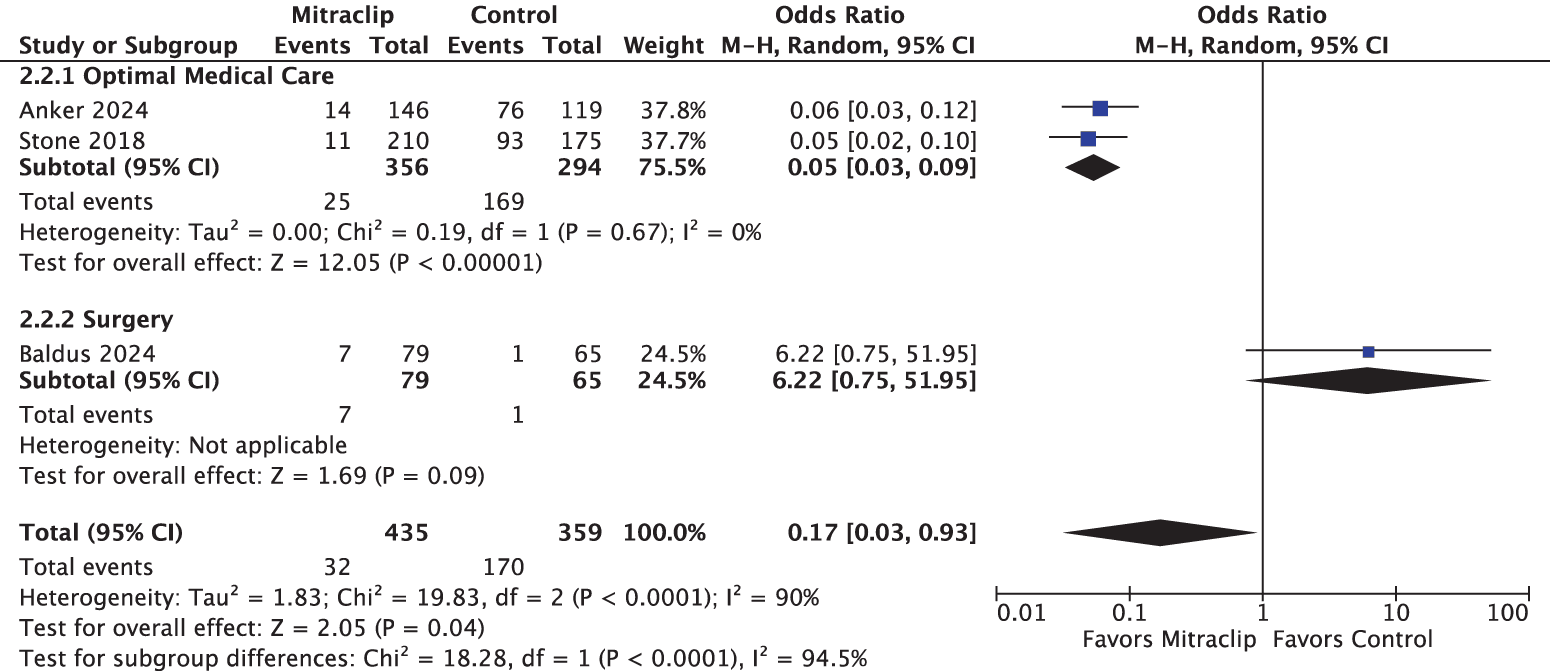
Figure 3. Incidence of recurrence of MR (Grade 3+ or 4+) in MitraClip Versus control group.
Functional Improvement in NYHA Class I/II
Three studies assessed the efficacy of MitraClip compared to medical or surgical treatment in improving NYHA functional class to I/II. The pooled analysis demonstrated a nonsignificant trend toward improvement, with an odds ratio (OR) of 1.47 (95% CI: 0.77–2.78, p = 0.24; I2 = 83%) (Fig. 4). Subgroup analysis indicated that MitraClip did not significantly improve functional outcomes compared with either medical therapy (OR: 1.68, 95% CI: 0.68–4.12, p = 0.26; I2 = 89%) or surgery (OR: 1.08, 95% CI: 0.63–1.86, p = 0.78).
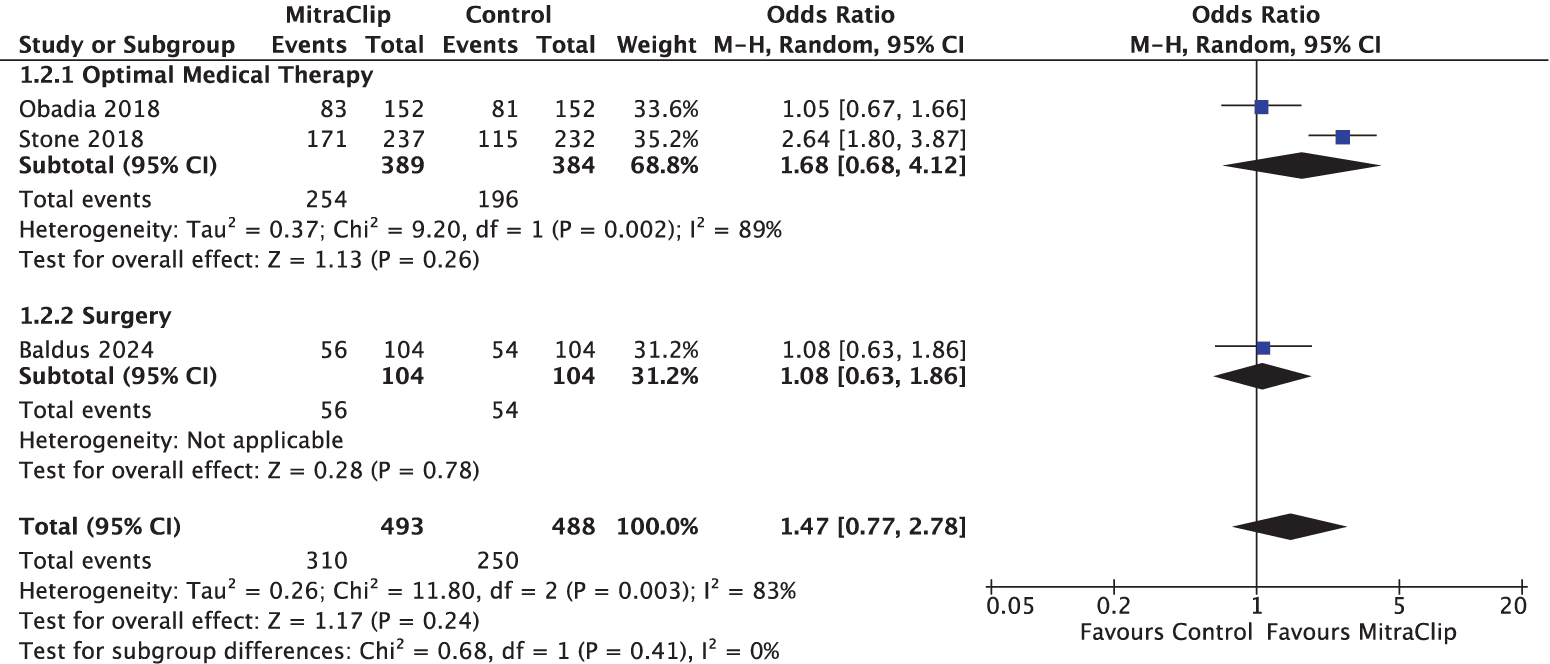
Figure 4. Effectiveness of MitraClip in improving NYHA classes I and II.
Unplanned Mitral Valve Interventions
Three studies evaluated the risk of unplanned MR interventions with transcatheter or surgical treatment. The pooled analysis showed reduced increased risk in the MitraClip group, with an OR of 0.54 (95% CI: 0.33–0.90, p = 0.45; I2 = 64%) (Fig. S4). Subgroup analysis showed that MitraClip reduced the risk compared to medical therapy, with an OR of 0.44 (95% CI: 0.26–0.77, p = 0.004; I2 = 44%), while there was no statistical difference compared to surgery, with an OR of 2.58 (95% CI: 0.49–13.59, p = 0.26).
Bias and Evidence Level
Figs. S5–S9 show publication bias for rehospitalization, mortality, MR recurrence, functional improvement, and unplanned mitral valve interventions. No obvious publication bias was observed for any outcomes. Fig. S10 presents the risk of bias. There was a low risk of bias in included studies. Table S1 summarizes evidence levels according to the GRADE approach. The evidence level was high for mortality, low for MR recurrence, and moderate for the remaining three outcomes.
Discussion
This meta-analysis provided a comprehensive evaluation of the efficacy and safety of MitraClip therapy compared to conventional medical or surgical interventions for secondary MR, focusing on key clinical outcomes, including heart failure-related rehospitalization, all-cause mortality, recurrence of severe MR, functional improvement based on NYHA classification, and the risk of unplanned mitral valve interventions. The findings demonstrated that MitraClip therapy was associated with significant reductions in heart failure-related rehospitalizations, all-cause mortality, and recurrence of severe MR compared to medical or surgical treatment. Although there was a trend toward improved cardiac function, the difference was not statistically significant. MitraClip therapy also showed a favorable safety profile, with a reduced risk of unplanned mitral valve interventions.
The results of this study align with and extend the findings of previous investigations. Similar to earlier meta-analyses and systematic reviews, this analysis confirmed the benefit of MitraClip in reducing rehospitalization and mortality among patients with secondary MR.21,22 Importantly, this study incorporated data from recent RCTs such as RESHAPE-HF2 and MATTERHORN,17,18 providing a broader perspective on patient selection criteria and outcomes. The heterogeneity observed across all outcomes may be attributed to variations in study design. However, subgroup analyses comparing conventional medical therapy and surgical intervention were conducted, which reduced heterogeneity and supported the overall findings. Surgical intervention appeared to be more effective than MitraClip in preventing the recurrence of Grade 3+/4+ MR and was associated with a relatively lower risk of unplanned mitral valve interventions.
The clinical implications of these findings are significant. MitraClip therapy offers a minimally invasive alternative to medicine or surgery therapy, particularly for older patients and those with severe comorbidities deemed unsuitable for surgical interventions.23 Reducing rehospitalization rates is especially relevant in mitigating the burden on healthcare systems and improving patients’ quality of life. Moreover, the lower mortality risk associated with MitraClip underscores its potential as a lifesaving intervention. However, the high heterogeneity observed in outcomes suggests that patient selection remains a critical determinant of success. Clinicians should carefully evaluate echocardiographic parameters, symptom severity, and comorbid conditions when considering MitraClip therapy. Additionally, the findings support the integration of MitraClip into multidisciplinary heart team discussions to optimize treatment planning and achieve the best clinical outcomes.24
A notable distinction emerged when comparing the MITRA-FR study with the other RCTs included in this analysis, namely, RESHAPE-HF2, MATTERHORN, and COAPT. The MITRA-FR study employed more inclusive criteria for secondary MR, resulting in a patient cohort with less severe baseline disease and a lower likelihood of benefit from MitraClip.20 In contrast, the COAPT and RESHAPE-HF2 studies included patients with more advanced heart failure and severe MR, demonstrating more pronounced benefits from MitraClip. Additionally, the MATTERHORN study incorporated advanced imaging criteria to refine patient selection, leading to improved outcomes.18 These differences underscore the importance of precise patient stratification in interpreting study results and tailoring therapeutic approaches. The variability in outcomes also highlights the need for standardized definitions and criteria for secondary MR severity to facilitate cross-study comparisons and guide clinical decision-making.
While this meta-analysis highlights significant advancements, several areas require further investigation to fully realize the potential of MitraClip therapy. Future studies should focus on elucidating its long-term durability, particularly concerning the recurrence of severe MR and the necessity for repeat interventions. Additionally, robust cost-effectiveness analyses remain insufficient, underscoring the need for comprehensive economic evaluations to better inform healthcare decision-making. Addressing these gaps will be crucial for optimizing the clinical and economic viability of MitraClip therapy in diverse patient populations.
This study has four limitations. The inclusion of only four RCTs and the presence of significant heterogeneity in some outcomes limit the generalizability of the findings. Additionally, variations in follow-up duration and baseline patient characteristics across studies may have influenced the results. Furthermore, the lack of uniform criteria for MR severity and treatment endpoints complicates cross-study comparisons. Finally, although publication bias was not apparent in this analysis, it cannot be entirely excluded, particularly given the small number of studies included.
Conclusion
This meta-analysis highlights the significant benefits of MitraClip therapy over medical or surgical treatment for secondary MR, including reduced rehospitalization rates, lower mortality, decreased risk of recurrence, and a favorable safety profile—particularly in high-risk surgical patients. However, its effectiveness in improving functional outcomes, such as NYHA classification, appeared limited.
Acknowledgment
None.
Funding Source
This research was funded by Grants in Aid for Scientific Research (Grant number 24K11946).
Author Contributions
Z.Y. contributed to the study design and drafting. Z.Y. and S.M. worked on the study search, quality check, data extraction, and analysis. and Z.Y., S.M., and J.L. contributed to data interpretation and the revision process. All authors have read the manuscript and agree with its content and data.
Data Availability
The corresponding author shall make the datasets available upon reasonable request.
Ethical Statement
Institutional Review Board approval was waived due to the nature of the meta-analysis.
Conflict of Interest
The authors report no conflicts of interest in this work.
Supplemental Information
Supplemental information for this article can be found online at https://sup.jclinque.com/api/articles/68/download-suppl.
References
[1] Aluru JS, Barsouk A, Saginala K, Rawla P, Barsouk A. Valvular heart disease epidemiology. Med Sci (Basel). Junuary 15, 2022;10(2):32. doi:10.3390/medsci10020032.
[2] Dhaduk N, Chaus A, Williams D, Vainrib A, Ibrahim H. Secondary mitral regurgitation: diagnosis and management. US Cardiol Rev. 2024;18:e05. doi:10.15420/usc.2022.34.
[3] Apostolidou E, Maslow AD, Poppas A. Primary mitral valve regurgitation: update and review. Glob Cardiol Sci Pract. March 31, 2017;2017(1):e201703. doi:10.21542/gcsp.2017.3.
[4] Cocianni D, Perotto M, Barbisan D, et al. In-hospital evolution of secondary mitral regurgitation in acutely decompensated heart failure. J Cardiovasc Med (Hagerstown). November 1, 2024;25(11):789–798. doi:10.2459/jcm.0000000000001667.
[5] Pastore MC, Mandoli GE, Dokollari A, et al. Speckle tracking echocardiography in primary mitral regurgitation: should we reconsider the time for intervention? Heart Fail Rev. July 2022;27(4):1247–1260. doi:10.1007/s10741-021-10100-1.
[6] Zinoviev R, Hasan RK, Gammie JS, Resar JR, Czarny MJ. Economic burden of inpatient care for mitral regurgitation in Maryland. J Am Heart Assoc. January 16, 2024;13(2):e029875. doi:10.1161/jaha.123.029875.
[7] Kakuta T, Peng D, Yong MS, Skarsgard P, Cook R, Ye J. Long-term outcome of isolated mitral valve repair versus replacement for degenerative mitral regurgitation in propensity-matched patients. JTCVS Open. February 1, 2024;17:84–97. doi:10.1016/j.xjon.2023.12.003.
[8] Otto CM, Nishimura RA, Bonow RO, et al. 2020 ACC/AHA guideline for the management of patients with valvular heart disease: a report of the American college of cardiology/American heart association joint committee on clinical practice guidelines. Circulation. 2021;143(5):e72–e227. doi:10.1161/CIR.0000000000000923.
[9] Alfieri O, Maisano F, De Bonis M, et al. The double-orifice technique in mitral valve repair: a simple solution for complex problems. J Thorac Cardiovasc Surg. October 2001;122(4):674–681. doi:10.1067/mtc.2001.117277.
[10] Mendirichaga R, Singh V, Blumer V, et al. Transcatheter mitral valve repair with MitraClip for symptomatic functional mitral valve regurgitation. Am J Cardiol. August 15, 2017;120(4):708–715. doi:10.1016/j.amjcard.2017.05.041.
[11] Shrivastava S, Shrivastava S, Allu SVV, Schmidt P, Mohyeldin M, Qasim A. Advancements in MitraClip intervention for mitral regurgitation: a comprehensive review and comparative analysis of clinical trials. Cureus. February 2024;16(2):e54805. doi:10.7759/cureus.54805.
[12] Stone GW, Abraham WT, Lindenfeld J, et al. Five-year follow-up after transcatheter repair of secondary mitral regurgitation. N Engl J Med. June 1, 2023;1(22):2037–2048. doi:10.1056/NEJMoa2300213.
[13] Page MJ, McKenzie JE, Bossuyt PM, et al. The PRISMA, 2020 statement: an updated guideline for reporting systematic reviews. BMJ. 2021;372:n71. doi:10.1136/bmj.n71.
[14] University Hospital Medical Information Network. The efficiency and safety of MitraClip in secondary mitral regurgitation: a systematic review and meta-analysis of randomized clinical trials. Published 2024, Accessed on December 17, 2024. https://center6.umin.ac.jp/cgi-open-bin/ctr_e/ctr_view.cgi?recptno=R000064534.
[15] Sterne JAC, Savović J, Page MJ, et al. RoB 2: a revised tool for assessing risk of bias in randomised trials. BMJ. 2019;366:l4898. doi:10.1136/bmj.l4898.
[16] Aguayo-Albasini JL, Flores-Pastor B, Soria-Aledo V. GRADE system: classification of quality of evidence and strength of recommendation. Cirugía Española (English Edition). 2014;92(2):82–88. doi:10.1016/j.cireng.2013.08.002.
[17] Anker SD, Friede T, von Bardeleben RS, et al. Transcatheter valve repair in heart failure with moderate to severe mitral regurgitation. N Engl J Med. November 14, 2024;14(19):1799–1809. doi:10.1056/NEJMoa2314328.
[18] Baldus S, Doenst T, Pfister R, et al. Transcatheter repair versus mitral-valve surgery for secondary mitral regurgitation. N Engl J Med. November 14, 2024;14(19):1787–1798. doi:10.1056/NEJMoa2408739.
[19] Stone GW, Lindenfeld J, Abraham WT, et al. Transcatheter mitral-valve repair in patients with heart failure. N Engl J Med. December 13, 2018;379(24):2307–2318. doi:10.1056/NEJMoa1806640.
[20] Obadia JF, Messika-Zeitoun D, Leurent G, et al. Percutaneous repair or medical treatment for secondary mitral regurgitation. N Engl J Med. December 13, 2018;379(24):2297–2306. doi:10.1056/NEJMoa1805374.
[21] D’Amario D, Laborante R, Mennuni M, Adamo M, Metra M, Patti G. Efficacy and safety of trans-catheter repair devices for mitral regurgitation: a systematic review and meta-analysis. Int J Cardiol. 2024;411(7):132245. doi:10.1016/j.ijcard.2024.132245.
[22] Yokoyama H, Kokawa T, Shigekiyo S, et al. Outcomes of mitral valve transcatheter edge-to-edge repair for patients with hemodynamic instability: a systematic review and meta-analysis. Cardiovasc Revasc Med. 2024;67:19–28. doi:10.1016/j.carrev.2024.04.006.
[23] Almuzainy S, Lemine M, Aljubeh R, Alsalem S. Comparative efficacy and safety of transcatheter mitral valve repair versus mitral-valve surgery in elderly patients with mitral regurgitation: a systematic review and meta-analysis. J Saudi Heart Assoc. 2024;36(4):316–334. doi:10.37616/2212-5043.1399.
[24] Lee C, Tully A, Fang JC, et al. Building and optimizing the interdisciplinary heart team. J Soc Cardiovas Angiograph Intervent. November 1, 2023;2(6, Part A):101067. doi:10.1016/j.jscai.2023.101067.
 |
Copyright: © 2025 Yu et al. This work is licensed under a Creative Commons Attribution 4.0 International License, which permits unrestricted use, distribution, and reproduction in any medium, provided the original work is properly cited. |