| Journal of Clinical Question. 2026; 3(5): e531 https://doi.org/10.69854/jcq.2026.0034 Advance access publication date 31 October 2026 |
 |
Meta-Analysis
Efficacy and Safety of B-Cell-Targeted and Conventional Immunomodulatory Therapies for IgG4-Related Disease: A Systematic Review and Meta-Analysis of Randomized Trials
Rui Zhang1, Bensu Du1, Xu Wang 2, Xiaofei Zhang3, Yuki Mizuki4, Yun-Zhong Nie5,6, Masaru Shimada7,*
1School of First Clinical, China Medical University, Shenyang, China.
2Department of Gastroenterological Endoscopy, The First Hospital of China Medical University, Shenyang, China.
3Department of Gastroenterological Endoscopy, The Second Affiliated Hospital of Liaoning University of Traditional Chinese Medicine, Shenyang, China.
4Department of Ophthalmology and Visual Science, Graduate School of Medicine, Yokohama City University, Yokohama, Japan.
5Division of Immunology, Jiangsu Key Laboratory of Molecular Medicine, Medical School, Nanjing University, Nanjing, China.
6Division of Regenerative Medicine, Center for Stem Cell Biology and Regenerative Medicine, The Institute of Medical Science, The University of Tokyo, Minato, Tokyo, Japan.
7Department of Molecular Biodefense Research, Graduate School of Medicine, Yokohama City University, Yokohama, Japan.
*Corresponding Author: e-mail: mshimada@yokohama-cu.ac.jp
Submitted: August 17, 2026 Accepted: October 31, 2026
Clinical Question Box
Among patients with immunoglobulin G4-related disease (IgG4-RD), how do conventional immunomodulatory and B-cell-targeted therapies compare with glucocorticoid-based or placebo controls for efficacy and safety?
Low-certainty evidence suggests that active therapies improve remission in patients with IgG4-RD, while very-low-certainty evidence suggests a reduction in relapse. B-cell-targeted therapies showed favorable trends in efficacy and adverse events compared with conventional immunomodulatory treatments, although the between-category differences were not statistically significant. Serious adverse event outcomes remain uncertain. An exploratory indirect comparison suggested a larger placebo-relative reduction in annualized flare rates with inebilizumab, but head-to-head superiority and relative glucocorticoid-sparing effects remain uncertain.
Abstract
Introduction: Immunoglobulin G4-related disease (IgG4-RD) frequently relapses during or after glucocorticoid tapering. The comparative efficacy and safety of conventional immunomodulatory and B-cell-targeted treatments remain uncertain. Methods: Randomized controlled trials (RCTs) identified in PubMed, Embase, Web of Science, and the Cochrane Library were synthesized using random-effects pairwise meta-analysis. Outcomes included remission, relapse or disease flare, adverse events, annualized flare rates, and additional glucocorticoid exposure. Results: Five RCTs included 521 analyzable participants. Active treatment increased remission (risk ratio [RR], 1.81; 95% confidence interval [CI], 1.44–2.28; I2 = 20.1%), with no significant difference between treatment categories (P = 0.146). Active treatment also reduced relapse (RR, 0.35; 95% CI, 0.22–0.55; I2 = 53.6%), without a significant between-category difference (P = 0.718). Any adverse events (AEs) did not differ significantly overall (RR, 1.28; 95% CI, 0.90–1.83), and the between-category difference was not significant (P = 0.113). Serious adverse events (SAEs) also showed no significant overall difference (RR, 1.00; 95% CI, 0.36–2.74). Inebilizumab demonstrated a greater placebo-relative reduction in annualized flare rates than obexelimab (rate ratios, 0.14 vs. 0.48; P = 0.009). Cumulative additional glucocorticoid exposure was numerically reduced to a greater extent with inebilizumab, although the between-treatment difference was not statistically significant (mean differences, −1.27 vs. −0.60 g; P = 0.061). Conclusion: Conventional immunomodulatory and B-cell-targeted therapies improved remission and reduced relapse compared with their respective controls. An exploratory indirect comparison suggested a larger placebo-relative reduction in annualized flare rates with inebilizumab, without establishing direct comparative superiority.
Keywords: IgG4-related disease, B-cell-targeted therapy, immunomodulatory therapy, glucocorticoids, randomized controlled trials, meta-analysis
Introduction
Immunoglobulin G4-related disease (IgG4-RD) is a relapsing, immune-mediated fibroinflammatory disorder that can involve the pancreas, biliary tract, salivary and lacrimal glands, kidneys, lungs, and retroperitoneum.1 Persistent inflammation may culminate in irreversible organ damage. In a United States population-based claims analysis, the estimated point prevalence was 5.3 per 100,000 persons in 2019, and affected individuals had greater mortality than matched controls with an adjusted hazard ratio of 2.51.2 These challenges underscore the need for therapeutic strategies that achieve sustained remission, prevent relapse, preserve organ function, and minimize long-term treatment-related toxicity.3
Glucocorticoids (GCs) are effective for remission induction but are limited by relapse during tapering or after discontinuation and by cumulative toxicity.4 In a Japanese multicenter study, 30.3% of GC-treated patients relapsed during follow-up.5 Prolonged GC use can cause hyperglycemia, osteoporosis, hypertension, and weight gain.6 Higher GC exposure has also been associated with greater infection-related and multisystem toxicities.7 Effective GC-sparing strategies are therefore a central therapeutic objective.
Conventional immunomodulatory agents, including mycophenolate mofetil, leflunomide, and thalidomide, have been evaluated in combination with GCs. More recently, B-cell-targeted approaches have emerged from evidence implicating activated B cells, plasmablasts, and their interactions with pathogenic T cells in IgG4-RD.3 Inebilizumab depletes CD19-expressing B-cell populations, whereas obexelimab inhibits B-cell signaling through coengagement of CD19 and the inhibitory Fc gamma receptor IIb without substantial B-cell depletion. Randomized, placebo-controlled phase 3 trials have demonstrated clinically important reductions in disease flare with both agents.8,9
An earlier network meta-analysis evaluated pharmacological interventions for IgG4-RD10; however, indirect comparisons between conventional immunomodulatory and B-cell-targeted therapies remain complicated by differences in trial populations, background GC regimens, and outcome definitions. The present systematic review and pairwise meta-analysis of randomized controlled trials (RCTs) examined remission, relapse, and safety outcomes across these treatment categories. Exploratory analyses also compared placebo-relative annualized flare rates and additional glucocorticoid (GC) exposure between the inebilizumab and obexelimab trials.
Methods
Study Design and Registration
This systematic review and meta-analysis followed the Preferred Reporting Items for Systematic Reviews and Meta-Analyses (PRISMA) 2020 statement.11 The study protocol was prospectively registered in the Open Science Framework under registration number (10.17605/OSF.IO/B4J2E).12 Because only previously published data were analyzed, ethics committee approval and individual informed consent were not required.
Literature Search Strategy
PubMed, Embase, Web of Science, and the Cochrane Library were searched from inception to August 1, 2026, using controlled vocabulary and free-text terms related to IgG4-RD, randomized controlled trials, glucocorticoids, immunosuppressive therapies, and B-cell-targeted agents. No language restrictions were applied. Reference lists of eligible studies and relevant reviews were also screened to identify additional trials. The complete database-specific search strategies are provided in Table S1.
Eligibility Criteria and Study Selection
Studies were eligible if they (1) were RCTs enrolling patients with IgG4-RD; (2) compared a non-GC pharmacological intervention, administered with or without a protocolized GC taper, against placebo or a GC-based control regimen; and (3) provided extractable efficacy or safety data. Eligible comparisons were analyzed within their randomized treatment contrasts; separate trials were not treated as direct head-to-head comparisons.
Nonrandomized studies, trials comparing only GC regimens, uncontrolled studies, duplicate reports, and publications without sufficient outcome data were excluded. Titles and abstracts were independently screened by two reviewers (R.Z. and B.D.), who also assessed full-text eligibility.
Data Extraction
Two reviewers independently recorded trial design, randomized and analyzed sample sizes, baseline characteristics, treatments, GC tapering schedules, follow-up, endpoint definitions, and adverse events. Event counts and denominators were extracted for binary outcomes; continuous or regression-adjusted results were recorded as originally reported, together with their 95% CIs when available. Disagreements arising during study selection or data extraction were resolved by consensus. Distinctions between randomized and per-protocol populations were retained.
Outcome Measures
Outcomes were assessed separately for two therapeutic categories: conventional immunomodulatory therapy and B-cell-targeted therapy. The registered primary efficacy outcome was trial-defined relapse or disease flare; remission was a key secondary efficacy outcome. Because remission, complete remission, relapse, and adjudicated flares were not identically defined across studies, pooled estimates were interpreted in the context of these differences. Secondary safety outcomes included any adverse event (AE) and serious adverse event (SAE). Annualized flare rate and additional GC exposure were assessed in the two B-cell-targeted trials. Both trials assessed additional GC exposure beyond the planned taper over 52 weeks, supporting cautious comparison of GC-sparing effects, although inebilizumab included GC use for treatment or maintenance, whereas obexelimab assessed rescue GC use.
Risk of Bias Assessment
Risk of bias was assessed independently by two reviewers using the revised Cochrane Risk of Bias tool (RoB 2), with judgments assigned for each outcome-specific result.13 The five domains cover randomization, deviations from the intended intervention, missing outcome data, outcome measurement, and selection of the reported result.
Certainty of Evidence
Certainty of evidence was assessed using the Grading of Recommendations Assessment, Development and Evaluation (GRADE) framework across risk of bias, inconsistency, indirectness, imprecision, and publication bias.14
Statistical Analysis
Pairwise meta-analyses were performed in EZR, a graphical interface for R.15 Dichotomous endpoints were expressed as risk ratios (RRs) with 95% CIs; continuous effects were expressed as mean differences (MDs). Published annualized flare rate ratios were synthesized on the log scale using their reported CIs to estimate standard errors. Random-effects models were used to accommodate variation in underlying treatment effects (DerSimonian–Laird for the SAE analysis).16 Between-trial heterogeneity was assessed using Cochran’s Q, I2, and the between-study variance (τ2).17 Tests for subgroup differences were used to compare treatment categories and, exploratorily, the additional GC exposure estimates from the two B-cell-targeted trials. Funnel plots and tests for small-study effects were not performed because fewer than 10 studies contributed to each analysis. All tests were two-sided, with P < 0.05 considered statistically significant.
Results
Characteristics of the Included Studies
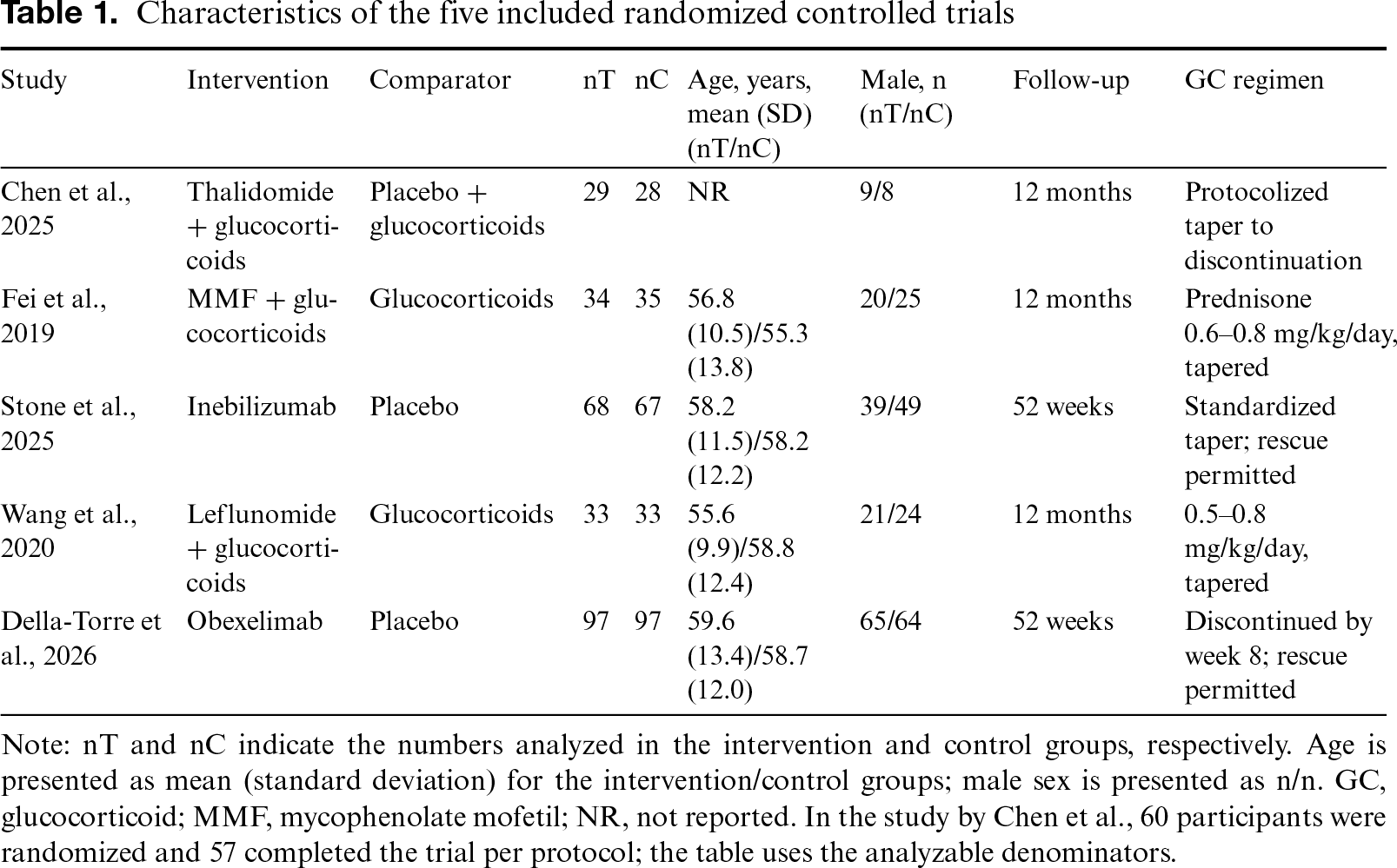
The database searches identified 1,167 records. After removing 169 duplicate records, 998 records underwent title and abstract screening, of which 943 were excluded. The remaining 55 reports were assessed for eligibility through full-text review, and 50 were excluded (Fig. S1). Ultimately, five randomized controlled trials (RCTs) involving 521 analyzable patients were included in the meta-analysis.8,9,18–20 The conventional immunomodulatory subgroup comprised three trials (192 analyzed patients) investigating thalidomide, mycophenolate mofetil, or leflunomide combined with GCs.18–20 The B-cell-targeted subgroup comprised two placebo-controlled trials (329 randomized patients) of inebilizumab or obexelimab with standardized early GC tapering.8,9 Follow-up was 12 months or 52 weeks. The thalidomide trial randomized 60 patients but reported outcomes for 57 per-protocol completers.18 Study characteristics are provided in Table 1.
Remission
All five RCTs reported a trial-defined remission outcome. Active treatment increased the pooled probability of remission relative to its corresponding control (RR, 1.81; 95% CI, 1.44–2.28; I2 = 20.1%; Fig. 1). Effects were observed in both B-cell-targeted trials (RR, 2.20; 95% CI, 1.56–3.09; I2 = 0%) and trials of conventional agents (RR, 1.60; 95% CI, 1.25–2.06; I2 = 7%). The difference between these subgroup estimates was not statistically significant (P = 0.146), and remission definitions differed across trials. In a sensitivity analysis excluding Chen et al., the pooled effect remained significant (RR, 1.74; 95% CI, 1.35–2.23; I2 = 24.7%).
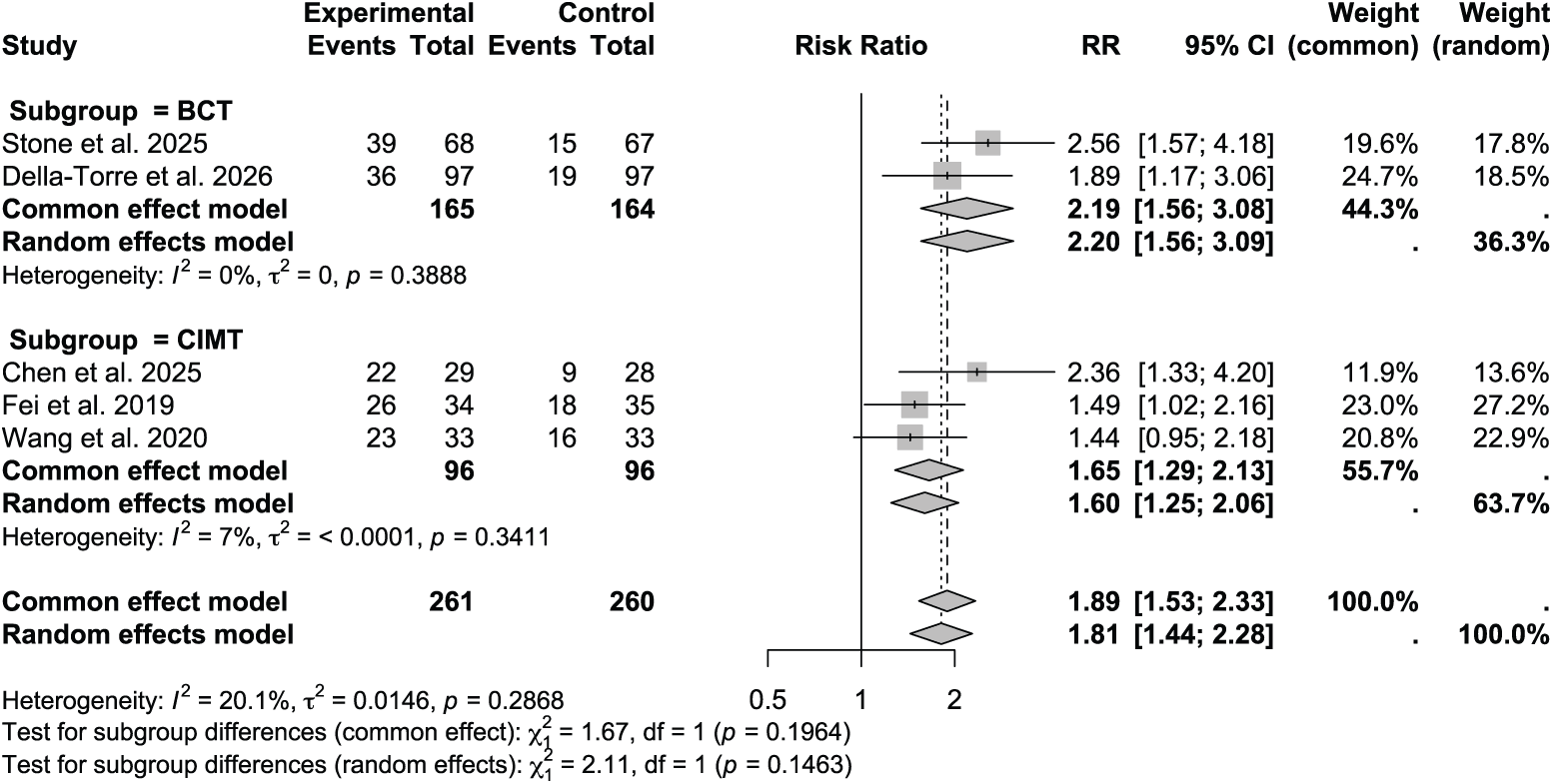
Figure 1. Remission with active immunomodulatory treatment versus control, by treatment category.
Relapse
All five trials contributed to relapse. Active interventions reduced relapse compared with their respective controls (RR, 0.35; 95% CI, 0.22–0.55; I2 = 53.6%; Fig. 2). Subgroup estimates were RR 0.31 (95% CI, 0.11–0.85; I2 = 84%) for B-cell-targeted treatment and RR 0.38 (95% CI, 0.23–0.62; I2 = 15%) for conventional immunomodulation. There was no evidence of a difference between subgroups (P = 0.718). Heterogeneity was particularly pronounced in the B-cell-targeted subgroup. A sensitivity analysis excluding Chen et al. yielded a similar result (RR, 0.38; 95% CI, 0.24–0.62; I2 = 54.8%).
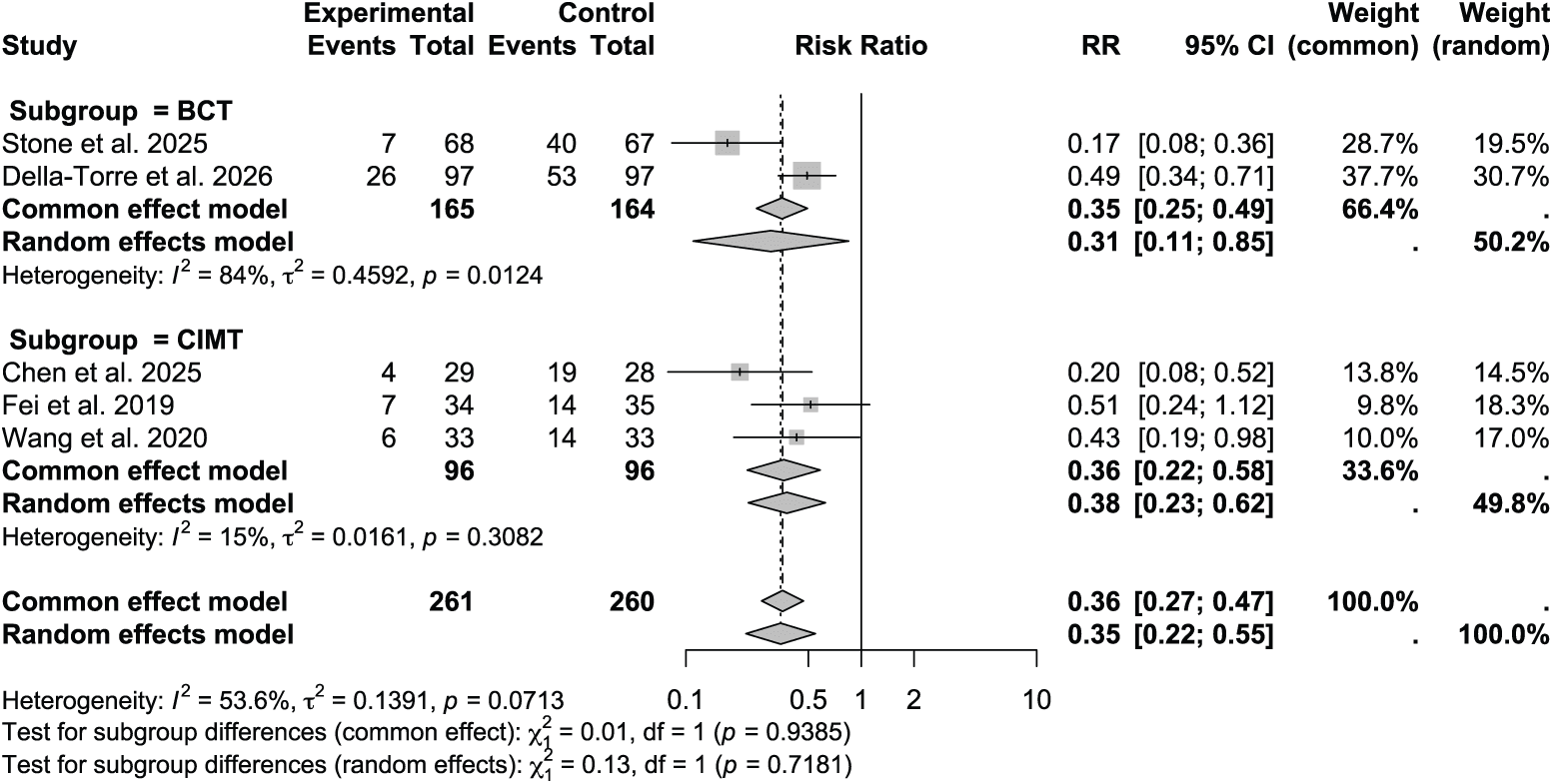
Figure 2. Relapse or disease flare with active treatment versus control.
AE
Across five RCTs, the pooled incidence of any AE did not differ significantly between active treatments and control regimens (RR, 1.28; 95% CI, 0.90–1.83; I2 = 77.4%; Fig. 3). The subgroup RR was 1.00 (95% CI, 0.97–1.04; I2 = 0%) for B-cell-targeted agents and 1.65 (95% CI, 0.89–3.03; I2 = 77.1%) for conventional agents. The AE point estimates differed numerically between treatment categories, but the subgroup difference was not statistically significant (P = 0.113). These indirect subgroup estimates do not establish a difference in comparative safety. In a post hoc sensitivity analysis excluding Chen et al., the pooled estimate was RR 1.01 (95% CI, 0.98–1.04; I2 = 0%).
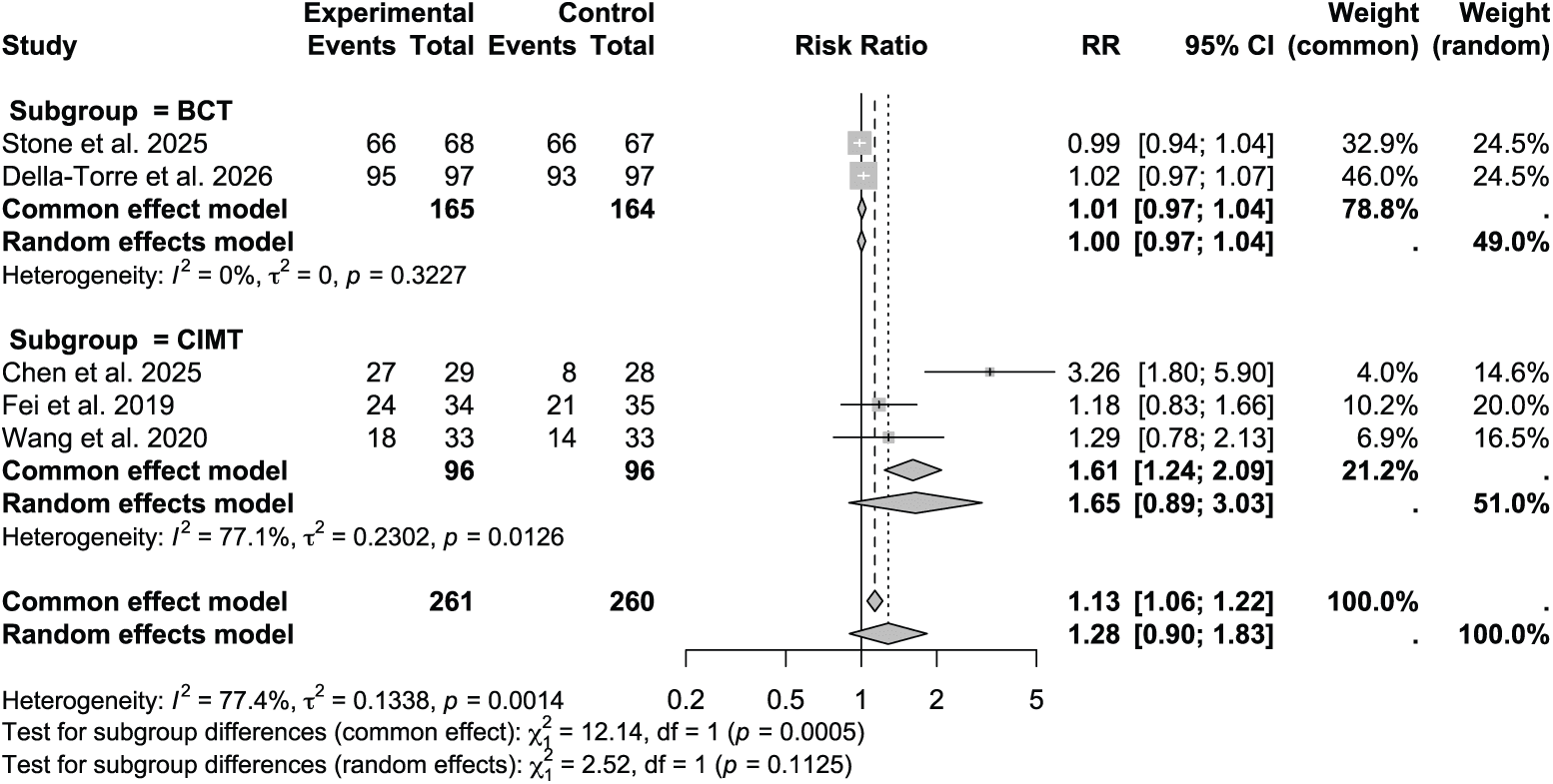
Figure 3. Incidence of any adverse event with B-cell–targeted versus conventional immunomodulatory treatment.
SAE
SAE data from three RCTs (395 participants) were included in the random-effects risk-ratio analysis (Fig. S2). The pooled RR was 1.00 (95% CI, 0.36–2.74; I2 = 55.7%). For the two B-cell-targeted trials, the reported RR was 1.01 (95% CI, 0.29–3.49; I2 = 77.8%); the single conventional-agent comparison gave an RR of 1.00 (95% CI, 0.07–15.33). No subgroup difference was detected (P = 0.994).
Exploratory Comparison of Inebilizumab and Obexelimab
Inebilizumab reduced annualized flares versus placebo (rate ratio, 0.14; 95% CI, 0.06–0.31), as did obexelimab (rate ratio, 0.48; 95% CI, 0.32–0.74). In the exploratory meta-analysis, the pooled rate ratio was 0.27 (95% CI, 0.08–0.91; I2 = 85.4%), and the between-trial contrast was statistically significant (P = 0.009; Fig. 4).
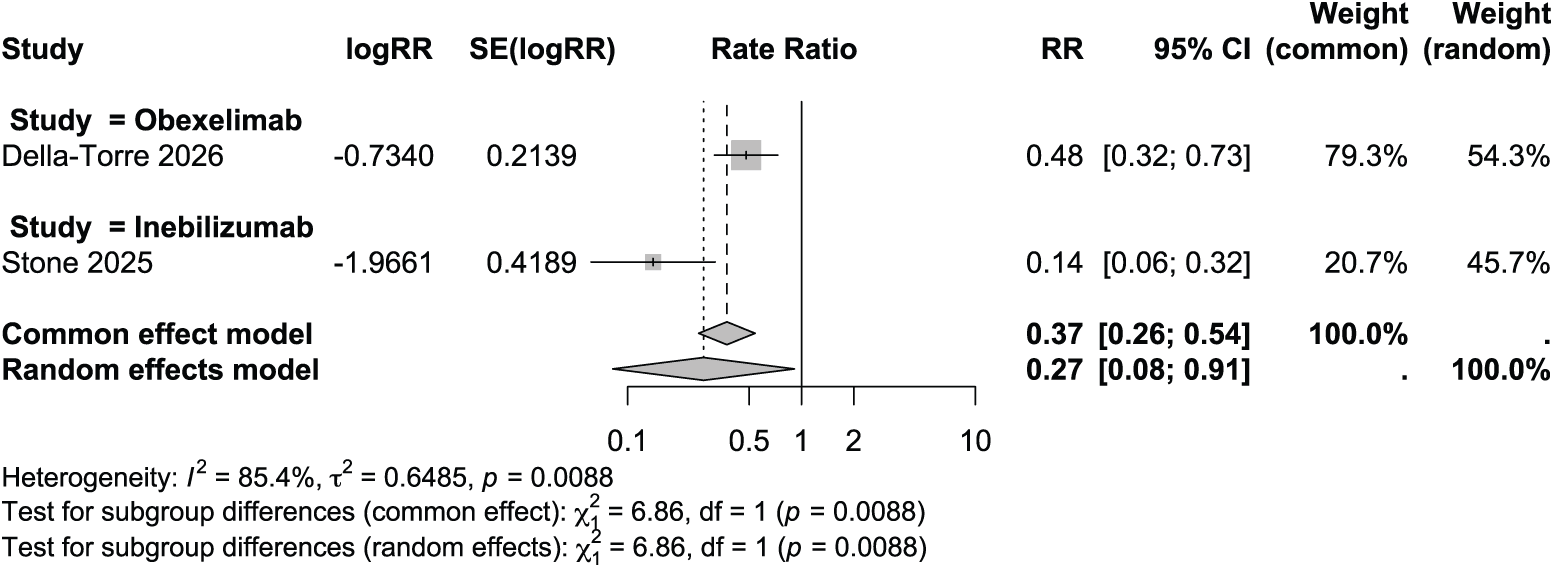
Figure 4. Exploratory synthesis of annualized adjudicated flare rate ratios from inebilizumab and obexelimab placebo-controlled trials.
Both inebilizumab and obexelimab significantly reduced cumulative additional glucocorticoid exposure compared with their respective placebo controls. Inebilizumab showed a numerically greater reduction than obexelimab (MD, −1.27 g; 95% CI, −1.69 to −0.84 vs. MD, −0.60 g; 95% CI, −1.15 to −0.05), although the between-treatment difference was not statistically significant (P = 0.061; Fig. S3).
Risk of Bias
For remission, one trial was at low risk of bias, one was at high risk, and three had some concerns (Fig. S4). All five trials had some concerns for relapse (Fig. S5). For any adverse events, one trial was at low risk, one was at high risk, and three had some concerns (Fig. S6). For serious adverse events, two trials were at low risk of bias and one had some concerns (Fig. S7).
Certainty of Evidence
GRADE certainty was low for remission and very low for relapse, any adverse event, and serious adverse events (Table S2). Downgrading reflected outcome-specific risk-of-bias concerns, nonuniform endpoint definitions, heterogeneity, and imprecision. The SAE counts were reconciled against the two phase 3 trial reports and the extracted Wang et al. data.
Discussion
In five RCTs, both conventional immunomodulatory and B-cell-targeted strategies improved trial-defined remission and reduced relapse versus their respective controls. This review incorporates the 2026 phase 3 obexelimab trial and presents outcome-specific safety and exploratory flare-rate analyses; however, it does not establish head-to-head treatment effects. Although B-cell-targeted therapies showed numerically more favorable outcomes for remission, relapse prevention, and AEs, the between-category differences were not statistically significant. The limited sample size may have reduced the statistical power to detect these differences. Among B-cell-targeted therapies, an exploratory indirect comparison suggested a larger placebo-relative reduction in annualized flare rates with inebilizumab than with obexelimab, a finding supported by a trend toward greater reductions in additional glucocorticoid use, although the latter difference was not statistically significant. Differences in control regimens and outcome definitions are important when interpreting these pooled effects.
The biological rationale for B-cell-directed treatment is nevertheless strong. Expanded, somatically mutated plasmablast populations characterize active IgG4-RD, and distinct clones can emerge at relapse.21 Clonally expanded cytotoxic CD4+ T cells produce inflammatory and profibrotic mediators, including interleukin-1β and transforming growth factor-β1; their numbers decrease after B-cell depletion.22 These observations suggest that disrupting interactions between B cells and pathogenic T cells could enhance durable disease control. However, they do not imply that broad immunomodulatory agents are ineffective, nor do they establish a mechanistic explanation for the between-trial effect differences.
Safety outcomes require cautious interpretation. The substantial heterogeneity in any AEs may reflect differences in toxicity profiles among conventional immunomodulatory agents, particularly because most AEs reported in the thalidomide trial were mild.18 Although no significant differences were detected in the pooled AE and SAE analyses, the limited number of serious events and wide confidence intervals reduce the ability to identify clinically important safety differences. Longer-term studies are needed to establish comparative safety, particularly regarding infections and hypogammaglobulinemia associated with B-cell-depleting therapy.
The placebo-relative annualized flare rate ratio was smaller for inebilizumab than for obexelimab. This finding is biologically plausible because inebilizumab depletes CD19-expressing cells, whereas obexelimab inhibits signaling without comparable depletion.8,9 Observational evidence that incomplete B-cell depletion after rituximab is associated with earlier relapse supports the possible importance of depletion depth, while a phase 2 obexelimab study provides mechanistic evidence for a nondepleting approach.23,24 Nonetheless, differences in eligibility, baseline relapse risk, flare adjudication, GC use, and follow-up procedures could also generate the apparent difference. The high heterogeneity in the two-study, flare-rate analysis makes any treatment ranking particularly uncertain.
This study has several limitations. First, the inclusion of only five RCTs limited statistical power, particularly for subgroup comparisons and safety outcomes. Second, differences in study populations, control regimens, and outcome definitions introduced clinical heterogeneity. Third, the use of per-protocol data in one trial and outcome-specific risks of bias may have affected the reliability of the pooled estimates. In addition, differences in the definitions of cumulative glucocorticoid exposure between the inebilizumab and obexelimab trials limited direct comparability. Finally, the absence of head-to-head trials precluded definitive conclusions regarding the comparative efficacy and safety of these treatments. Larger comparative trials with standardized outcomes and longer follow-up are warranted.
Conclusion
Both conventional immunomodulatory and B-cell-targeted therapies improved remission and reduced relapse compared with their respective controls. B-cell-targeted therapies showed favorable trends in efficacy and safety, although between-category differences were not statistically significant. An exploratory indirect comparison suggested a larger placebo-relative reduction in annualized flare rates with inebilizumab than with obexelimab; head-to-head comparative efficacy and glucocorticoid-sparing effects remain uncertain.
Acknowledgment
Not applicable.
Funding
This work was partially supported by Grants-in-Aid for Scientific Research from the Japan Society for the Promotion of Science (JSPS; grant numbers 26K20090 and 26K12328), the National Key Research and Development Program of China (grant number 2023YFC2308200), and the National Natural Science Foundation of China (grant number 82302396). The funders had no role in the study design, data collection, analysis, interpretation, manuscript preparation, or decision to publish.
Author Contributions
R.Z., B.D., X.W., X.Z., Y.M., and Y.-Z.N. contributed to study design, literature search, data extraction and analysis, interpretation, and manuscript drafting. X.W. and M.S. supervised the study, interpreted the findings, and critically revised the manuscript. All authors reviewed and approved the final manuscript and agreed to be accountable for the work.
Data Availability Statement
Raw data are available upon reasonable request and after consultation with the corresponding author.
Generative AI Declaration
During the preparation of this manuscript, the authors used ChatGPT for proofreading assistance. All content was subsequently reviewed and edited by the authors, who assume full responsibility for the accuracy and integrity of the published work.
Ethics Statement
This systematic review and meta-analysis was based exclusively on previously published data. Therefore, ethics approval and informed consent were not required.
Conflicts of Interest
The authors declare no conflicts of interest.
Supplemental Information
Supplemental information for this article can be found online at https://sup.jclinque.com/api/articles/132/download-suppl.
References
[1] Lanzillotta M, Mancuso G, Della-Torre E. Advances in the diagnosis and management of IgG4 related disease. Bmj. June 16, 2020;369:m1067. doi:10.1136/bmj.m1067.
[2] Wallace ZS, Miles G, Smolkina E, et al. Incidence, prevalence and mortality of IgG4-related disease in the USA: a claims-based analysis of commercially insured adults. Ann Rheum Dis. July 2023;82(7):957–962. doi:10.1136/ard-2023-223950.
[3] Peyronel F, Della-Torre E, Maritati F, et al. IgG4-related disease and other fibro-inflammatory conditions. Nat Rev Rheumatol. May 2025;21(5):275–290. doi:10.1038/s41584-025-01240-x.
[4] Khosroshahi A, Wallace ZS, Crowe JL, et al. International consensus guidance statement on the management and treatment of IgG4-related disease. Arthritis Rheumatol. July 2015;67(7):1688–1699. doi:10.1002/art.39132.
[5] Shirakashi M, Yoshifuji H, Kodama Y, et al. Factors in glucocorticoid regimens associated with treatment response and relapses of IgG4-related disease: a multicentre study. Sci Rep. July 6, 2018;8(1):10262. doi:10.1038/s41598-018-28405-x.
[6] Pofi R, Caratti G, Ray DW, Tomlinson JW. Treating the side effects of exogenous glucocorticoids; can we separate the good from the bad? Endocr Rev. 2023;44(6):975–1011. doi:10.1210/endrev/bnad016.
[7] Wallace ZS, Park JY, Serra E, et al. Burden of glucocorticoid use and risk of toxicities among patients with immunoglobulin-g4-related disease: a retrospective US-based claims study. Rheumatol Ther. June 2025;12(3):547–560. doi:10.1007/s40744-025-00763-9.
[8] Stone JH, Khosroshahi A, Zhang W, et al. Inebilizumab for treatment of IgG4-related disease. N Engl J Med. March 27, 2025;392(12):1168–1177. doi:10.1056/NEJMoa2409712.
[9] Della-Torre E, Baker MC, Zhang W, et al. Obexelimab for the treatment of IgG4-related disease. N Engl J Med. October 1, 2026;395(13):1273–1284. doi:10.1056/NEJMoa2601337.
[10] Zhang R, Du B, Wang X, Zhang X. Comparative efficacy and safety of medical treatments for igg4-related disease: a systematic review and network meta-analysis of randomized controlled trials. J Clin Question. 2026;3(3):e276. doi:10.69854/jcq.2026.0019.
[11] Page MJ, McKenzie JE, Bossuyt PM, et al. The PRISMA, 2020 statement: an updated guideline for reporting systematic reviews. Bmj. March 29, 2021;372:n71. doi:10.1136/bmj.n71.
[12] Open Science Framework. Comparative Efficacy And Safety Of Medical Treatments For IgG4-Related Disease: A Systematic Review And Network Meta-Analysis Of Randomized Controlled Trials. (Published 2026, Accessed October 18 2026). https://osf.io/b4j2e/overview.
[13] Sterne JAC, Savović J, Page MJ, et al. RoB 2: a revised tool for assessing risk of bias in randomised trials. Bmj. August 28, 2019;366:l4898. doi:10.1136/bmj.l4898.
[14] Guyatt GH, Oxman AD, Vist GE, et al. GRADE: an emerging consensus on rating quality of evidence and strength of recommendations. Bmj. April 26, 2008;336(7650):924–926. doi:10.1136/bmj.39489.470347.AD.
[15] Kanda Y. Investigation of the freely available easy-to-use software ‘EZR’ for medical statistics. Bone Marrow Transplant. March 2013;48(3):452–458. doi:10.1038/bmt.2012.244.
[16] Borenstein M, Hedges LV, Higgins JP, Rothstein HR. A basic introduction to fixed-effect and random-effects models for meta-analysis. Res Synth Methods. April 2010;1(2):97–111. doi:10.1002/jrsm.12.
[17] Higgins JP, Thompson SG, Deeks JJ, Altman DG. Measuring inconsistency in meta-analyses. Bmj. September 6, 2003;327(7414):557–560. doi:10.1136/bmj.327.7414.557.
[18] Chen Y, Ye C, Yang P, et al. Thalidomide can effectively prevent relapse in IgG4-related disease outweighing its side effects: a multicentre, randomised, double-blinded, placebo-controlled study. Ann Rheum Dis. July 2025;84(7):1246–1252. doi:10.1016/j.ard.2025.01.033.
[19] Yunyun F, Yu P, Panpan Z, et al. Efficacy and safety of low dose Mycophenolate mofetil treatment for immunoglobulin G4-related disease: a randomized clinical trial. Rheumatology (Oxford). January 1, 2019;58(1):52–60. doi:10.1093/rheumatology/key227.
[20] Wang Y, Zhao Z, Gao D, et al. Additive effect of leflunomide and glucocorticoids compared with glucocorticoids monotherapy in preventing relapse of IgG4-related disease: a randomized clinical trial. Semin Arthritis Rheum. December 2020;50(6):1513–1520. doi:10.1016/j.semarthrit.2020.01.010.
[21] Mattoo H, Mahajan VS, Della-Torre E, et al. De novo oligoclonal expansions of circulating plasmablasts in active and relapsing IgG4-related disease. J Allergy Clin Immunol. September 2014;134(3):679–687. doi:10.1016/j.jaci.2014.03.034.
[22] Mattoo H, Mahajan VS, Maehara T, et al. Clonal expansion of CD4(+) cytotoxic T lymphocytes in patients with IgG4-related disease. J Allergy Clin Immunol. September 2016;138(3):825–838. doi:10.1016/j.jaci.2015.12.1330.
[23] Lanzillotta M, Ramirez GA, Milani R, Dagna L, Della-Torre E. B cell depletion after treatment with rituximab predicts relapse of IgG4-related disease. Rheumatology (Oxford). April 1, 2025;64(4):2290–2294. doi:10.1093/rheumatology/keae248.
[24] Perugino CA, Wallace ZS, Zack DJ, et al. Evaluation of the safety, efficacy, and mechanism of action of obexelimab for the treatment of patients with IgG4-related disease: an open-label, single-arm, single centre, phase 2 pilot trial. Lancet Rheumatol. August 2023;5(8):e442–e450. doi:10.1016/s2665-9913(23)00157-1.
 |
Copyright: © 2026 Zhang et al. This work is licensed under a Creative Commons Attribution 4.0 International License, which permits unrestricted use, distribution, and reproduction in any medium, provided the original work is properly cited. |