| Journal of Clinical Question. 2026; 3(2): e110 https://doi.org/10.69854/jcq.2026.0008 Advance access publication date 24 March 2026 |
 |
Meta-Analysis
Clinical Effectiveness of High-Dose versus Standard-Dose Influenza Vaccines in Older Adults: A Systematic Review And Meta-Analysis of Randomized Controlled Trials
Shohei Watanabe , Ryusuke Orii, Reeko Osada, Mai Kaneko, Kentaro Yumoto
Department of Respiratory Medicine, Yokohama Minami Kyosai Hospital, Yokohama, Japan.
*Corresponding Author: e-mail: yumoto@yokohama-cu.ac.jp
Submitted: February 15, 2026 Accepted: March 23, 2026
Clinical Question Box
Among older adults, is high-dose influenza vaccination more effective and equally safe compared with standard-dose vaccination?
In adults aged ≥65 years, high-dose influenza vaccines provide greater protection against influenza infection and influenza-related hospitalization than standard-dose vaccines, with similar rates of serious adverse events. The certainty of evidence is moderate for reductions in influenza occurrence and safety outcomes and low for hospitalization and mortality outcomes. However, as reductions in all-cause hospitalization and mortality have not been consistently demonstrated, the implementation of high-dose vaccination should be considered in the context of local epidemiology, healthcare resources, and policy priorities.
Abstract
Background: Older adults are at increased risk of severe influenza outcomes, partly due to reduced immune responses to standard-dose vaccines. High-dose influenza vaccines were thus developed to enhance protection, but evidence of their clinical outcomes and safety remains evolving. Methods: A systematic review and meta-analysis of randomized controlled trials examining the efficacy of high-dose versus standard-dose inactivated influenza vaccines in adults aged ≥65 years was performed. PubMed, Embase, Cochrane Library, and Web of Science were searched from inception to January 1, 2026. Clinical outcomes included influenza occurrence, influenza- or pneumonia-related hospitalization, all-cause hospitalization, mortality, and serious adverse events. Random-effects models were used to pool effect estimates. Results: Eight randomized controlled trials including 610,266 participants were analyzed. High-dose influenza vaccination significantly reduced hospitalization due to influenza compared with standard-dose vaccination (odds ratio [OR] 0.71, 95% confidence interval [CI] 0.61–0.81; I2 = 0%) and modestly reduced hospitalization due to respiratory infection (OR 0.88, 95% CI 0.82–0.95; I2 = 53.8%). No statistically significant differences were observed for all-cause hospitalization (OR 0.90, 95% CI 0.80–1.01; I2 = 80.5%) or all-cause mortality (OR 0.96, 95% CI 0.90–1.03; I2 = 58.6%). Serious adverse events were comparable between groups (OR 1.00, 95% CI 0.97–1.02; I2 = 0%). Absolute reductions corresponded to 135 fewer influenza hospitalizations and 266 fewer respiratory infection hospitalizations among high-dose vaccine recipients. Conclusions: High-dose inactivated influenza vaccines improve protection against influenza and influenza-related hospitalization in older adults without increasing serious adverse events. However, their implementation should be considered in the context of local epidemiology, healthcare resources, and policy priorities.
Keywords: High-dose influenza vaccine, standard-dose influenza vaccine, older adults, vaccine effectiveness, hospitalization, safety,
Introduction
Seasonal influenza remains a major cause of global morbidity and mortality, posing a substantial and recurrent burden on healthcare systems worldwide.1 According to recent estimates by the World Health Organization, seasonal influenza leads to approximately 1 billion infections annually, of which 3–5 million cases are severe, resulting in an estimated 290,000–650,000 influenza-related respiratory deaths each year.2 Older adults bear a disproportionate share of this burden. Individuals aged 65 years and above, particularly those with underlying chronic conditions such as cardiovascular disease, chronic respiratory illness, diabetes, and immunocompromising conditions, account for the majority of influenza-associated hospitalizations and deaths.3 Surveillance data from recent influenza seasons in high-income countries continue to demonstrate substantial excess hospitalizations and mortality among older adults despite widespread vaccination coverage, underscoring the need for more effective preventive strategies.4
Vaccination remains the cornerstone of influenza prevention, as it is the most effective public health intervention to reduce influenza-associated illness, complications, and mortality. Seasonal influenza vaccines are updated annually to match predicted circulating strains and are widely recommended for all individuals aged 6 months and older, with particular emphasis on high-risk populations.5 Over time, different types of influenza vaccines have been developed to address variability in immune responses across populations. These include standard-dose inactivated influenza vaccines, live attenuated influenza vaccines, recombinant influenza vaccines, adjuvanted formulations, and high-dose inactivated influenza vaccines.6,7 Each type of vaccine is designed to optimize immune protection through different mechanisms, such as antigen dose escalation, use of immune-enhancing adjuvants, or application of alternative manufacturing platforms.8
Vaccine-induced protection varies by age. In older adults, immune responses to standard-dose influenza vaccines are often weaker due to immunosenescence, which reduces antibody production, immune memory, and overall vaccine effectiveness.9 As a result, even when vaccine strains match circulating viruses, standard-dose vaccines may offer limited protection for older individuals, who are at the greatest risk of severe influenza outcomes.10 To address this, high-dose inactivated influenza vaccines were developed for adults aged 65 and older, containing higher amounts of hemagglutinin antigen to boost immune responses.11 Studies show that high-dose vaccines generate stronger immune responses than standard-dose vaccines in older adults, including higher hemagglutination inhibition antibody titers, geometric mean titers (GMTs), and seroconversion rates.12,13 While these findings support improved protection and have informed vaccination policies, immunogenicity does not always translate into better clinical outcomes.14 Antibody levels correlate imperfectly with reductions in hospitalization, functional decline, and mortality, and severe influenza in older adults often arises from complications such as worsening chronic diseases, secondary infections, and cardiovascular events.15
Therefore, this meta-analysis aims to systematically evaluate the effectiveness of high-dose influenza vaccines compared with standard-dose influenza vaccines, with a primary focus on clinically relevant outcomes. By emphasizing clinical endpoints rather than immunogenicity alone, this study seeks to provide evidence that is directly applicable to clinical practice and public health decision-making, particularly concerning populations at highest risk of severe influenza-related outcomes.
Methods
Study Design and Reporting Standards
This systematic review and meta-analysis was conducted in accordance with the Preferred Reporting Items for Systematic Reviews and Meta-Analyses (PRISMA) 2020 guidelines. The methodology, including eligibility criteria, study selection procedures, data extraction methods, and statistical analyses, was prospectively registered in the Open Science Framework prespecified to ensure transparency and reproducibility.16
Data Sources and Search Strategy
A comprehensive literature search was undertaken in PubMed, Embase, the Cochrane Library, and Web of Science from database inception to January 1, 2026. The search employed both controlled vocabulary terms and free-text keywords related to influenza, vaccination, vaccine dose, and randomized controlled trials (RCTs). In PubMed, the search strategy was defined as: “(influenza [MeSH Terms] OR influenza [Title/Abstract]) AND (“standard-dose”[Title/Abstract] OR “high-dose”[Title/Abstract]) AND (elderly [MeSH Terms] OR senior [Title/Abstract] OR “older adults”[Title/Abstract])”. The detailed search strategies for each database are presented in Table S1. Reference lists of eligible studies and relevant reviews were manually screened to identify additional trials. No restrictions were applied based on geographic location.
Eligibility Criteria
Study eligibility was defined a priori according to population, intervention, comparator, outcomes, and study design. Eligible studies included RCTs enrolling adults aged 65 years or older that directly compared high-dose inactivated influenza vaccines with standard-dose inactivated influenza vaccines. Both individually randomized and pragmatic registry-based randomized trials, including cluster-randomized designs, were eligible. Only trials evaluating trivalent (TIV) or quadrivalent (QIV) inactivated influenza vaccine formulations were included. To ensure clinical relevance, studies were required to report at least one clinical outcome, such as laboratory-confirmed influenza, influenza-related hospitalization, or influenza-associated mortality.
Studies involving co-administration of influenza vaccines with other vaccines or interventions that could confound attribution of outcomes were excluded, in addition to studies using retrospective or non-randomized designs. Trials evaluating recombinant influenza vaccines or other non-inactivated platforms were also deemed ineligible. Further, studies exclusively reporting immunogenicity outcomes, such as GMTs or seroconversion rates, without clinical endpoints were excluded. Additionally, publications only reporting subgroup analyses from previously published trials, without providing new or independent clinical outcome data, were excluded to avoid duplication of evidence.
Study Selection
All records identified through the database searches were imported into reference management software, and duplicate records were removed. Two reviewers (S.W. and R.O.) independently screened titles and abstracts to assess eligibility. Full-text articles of potentially eligible studies were retrieved and independently reviewed against the predefined inclusion and exclusion criteria. Disagreements were resolved through discussion, consulting a third reviewer (K.Y.) when necessary. The study selection process was documented using a PRISMA flow diagram.
Data Extraction
Data extraction was conducted independently by the two reviewers using a standardized extraction form. Extracted data included study characteristics (author, year of publication, country, influenza season, and trial design), participant characteristics (sample size, age, and sex distribution), vaccine formulation and dose, outcome definitions, follow-up duration, and effect estimates with corresponding confidence intervals. When multiple analyses were reported, data from the primary analysis population were preferentially extracted. Any discrepancies were resolved by consensus.
Risk of Bias Assessment
The risk of bias of included RCTs was independently assessed by two reviewers using the Cochrane risk-of-bias tool (RoB 2). This tool evaluates potential bias across domains related to the randomization process, deviations from intended interventions, missing outcome data, outcome measurement, and selective reporting. Each domain was judged as low risk, moderate risk, or high risk of bias, and each study was assigned an overall risk of bias. Disagreements between reviewers were resolved through discussion or consultation with a third reviewer. Risk of bias assessments informed sensitivity analyses and interpretation of pooled results.
Data Synthesis and Statistical Analysis
Quantitative synthesis was performed when at least two trials reported comparable outcomes. Effect estimates were pooled using a random-effects model to account for variability between studies. Risk ratios or odds ratios were used as summary measures, depending on reported data. Statistical heterogeneity was assessed using the I2 statistic, with higher values indicating greater heterogeneity. Prespecified sensitivity analyses were conducted by excluding studies judged to be having a high risk of bias. Publication bias was evaluated using funnel plots when a sufficient number of studies were available. All analyses were conducted using Reviewer Manager 5.4, and a two-sided p-value of less than 0.05 was considered statistically significant.
Certainty of Evidence
The certainty of evidence for each clinical outcome was assessed using the Grading of Recommendations Assessment, Development and Evaluation approach. Evidence from RCTs was initially rated as high certainty and could be downgraded based on risk of bias, inconsistency, indirectness, imprecision, or publication bias. The overall certainty of evidence for each outcome was classified as high, moderate, low, or very low.
Results
Study Selection
The systematic literature search identified 1,203 records. Following the removal of duplicates and the screening of titles and abstracts, 1,092 records were excluded for failing to meet the predefined eligibility criteria. In the second screening step, a total of 111 articles underwent full-text assessment. Of these, 103 were excluded because they reported GMT analyses only, were review articles, presented subgroup analyses without novel clinical outcome data, or evaluated co-administration of influenza vaccines with other interventions. Ultimately, eight RCTs met all inclusion criteria and were included in the qualitative and quantitative synthesis. The study selection process is summarized in the PRISMA flow diagram (Fig. 1).
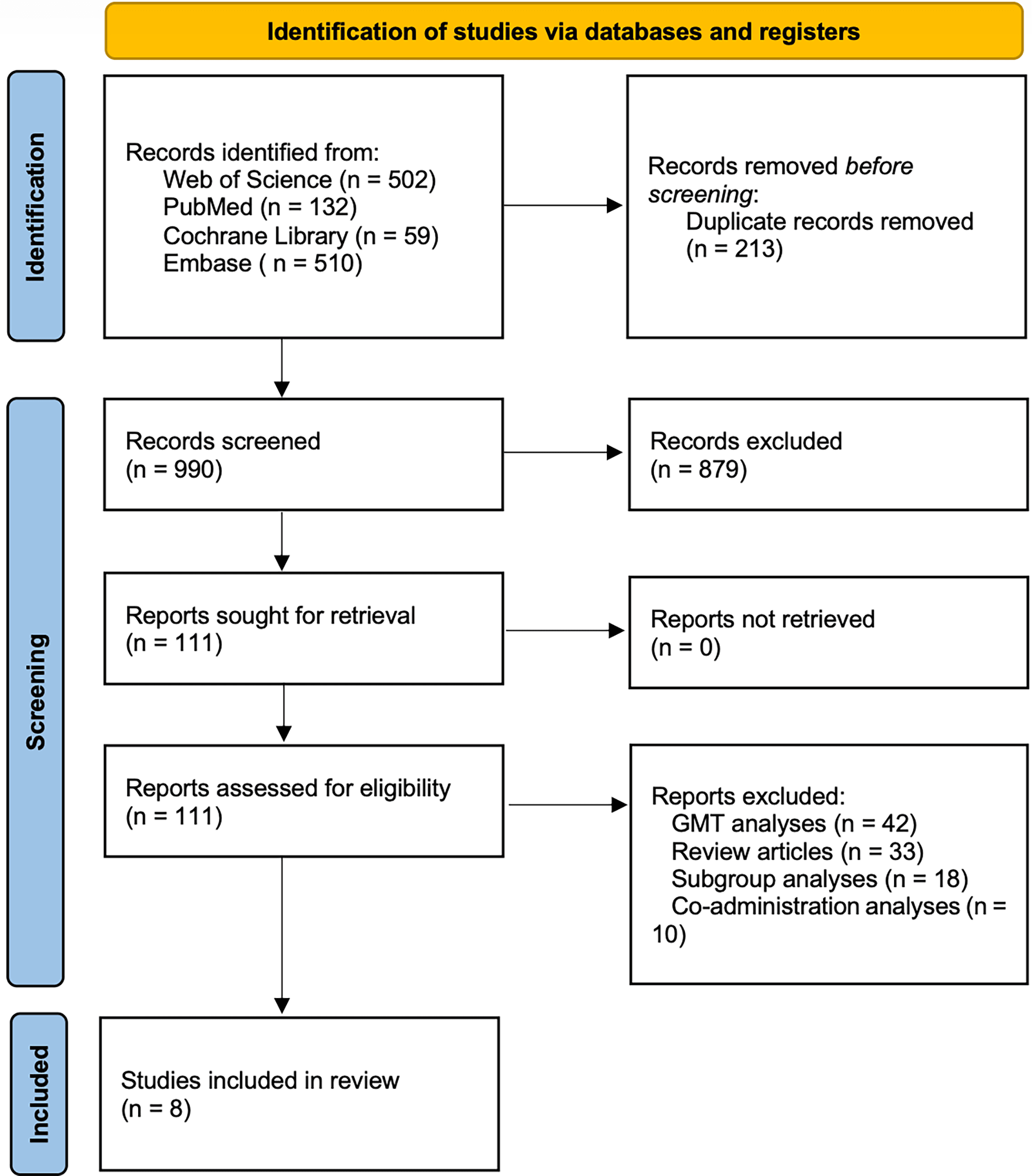
Figure 1. PRISMA flow diagram of study selection.
Study Characteristics
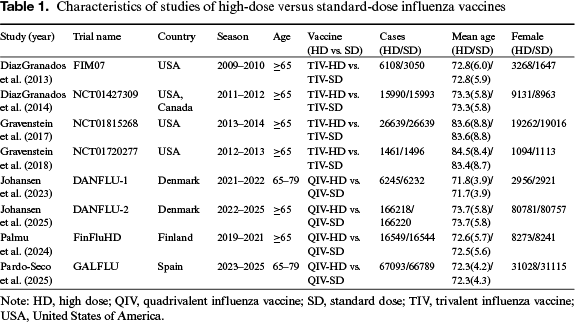
The eight included RCTs were conducted between 2009 and 2025 across multiple countries, including the United States, Canada, Denmark, Finland, and Spain.17–24 All studies enrolled adults aged 65 years or older, with some trials restricting eligibility to participants aged 65–79 years. Both TIV and QIV were evaluated, drawing direct comparisons between high- and standard-dose formulations. Across the eight trials, a total of 610,266 participants were enrolled, with individual study sample sizes ranging from small efficacy trials to large pragmatic studies. Baseline demographic characteristics, including age and sex distribution, were well balanced between the high- and standard-dose groups. Detailed study characteristics are summarized in Table 1.
Hospitalization due to Influenza
Four trials reported outcomes related to hospitalization due to influenza. Meta-analysis demonstrated that high-dose influenza vaccination was associated with a statistically significant reduction in influenza occurrence compared with standard-dose vaccination (odds ratio [OR] = 0.71, 95% confidence interval [CI] 0.61–0.81). No statistical heterogeneity was observed (I2 = 0%), indicating highly consistent effects across trials (Fig. 2A).
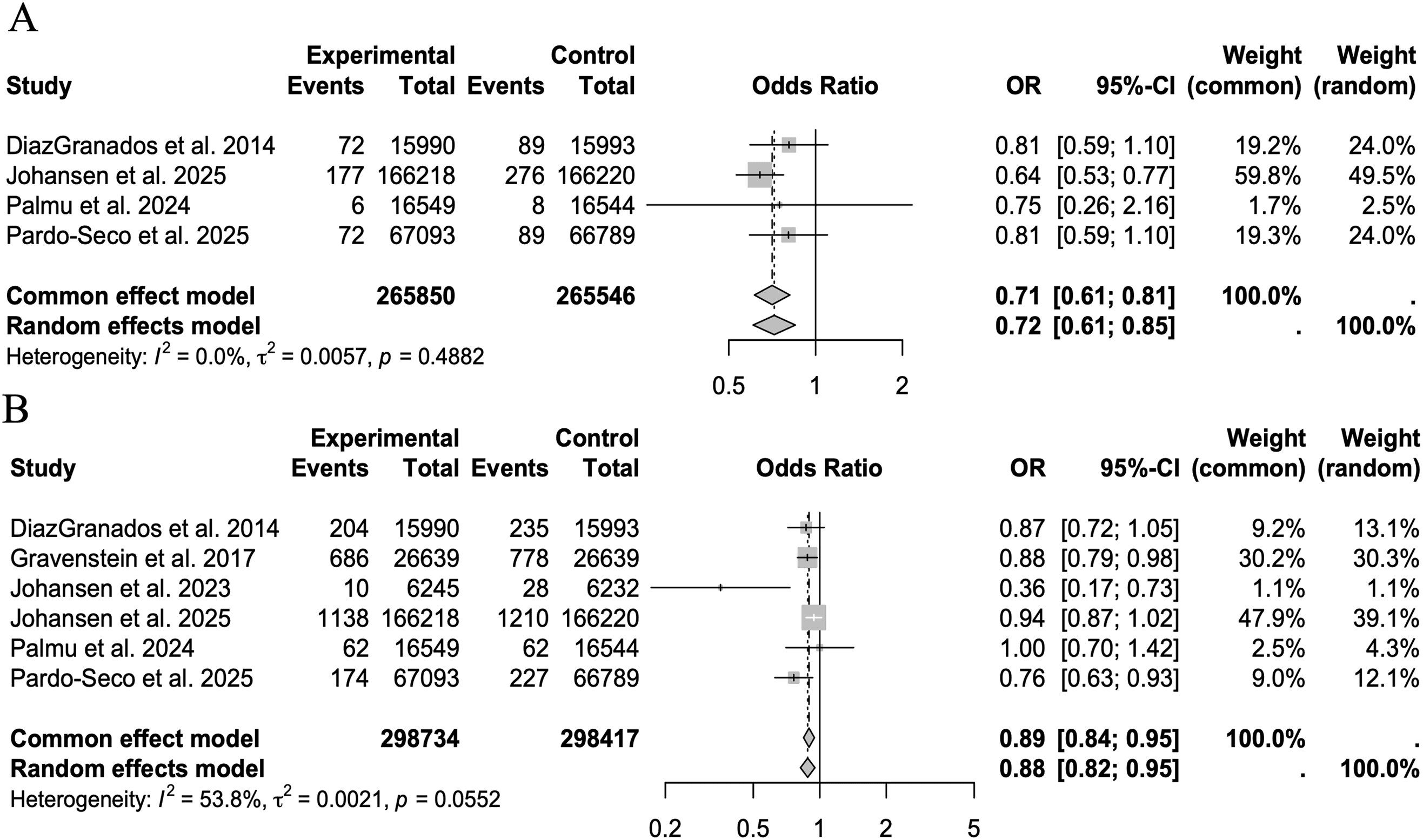
Figure 2. Meta-analysis of occurrence of hospitalization due to influenza or respiratory infection. (A) Hospitalization due to influenza; (B) hospitalization due to a respiratory infection. CI, confidence interval; OR, odds ratio.
Hospitalization due to Respiratory Infection
Five trials contributed data on hospitalization due to influenza or pneumonia. High-dose vaccination was associated with a modest but statistically significant reduction in influenza- or pneumonia-related hospitalization (OR = 0.88, 95% CI 0.82–0.95). Moderate heterogeneity was observed (I2 = 53.8%) (Fig. 2B), suggesting variability in effect estimates across studies. Sensitivity analysis yielded a comparable effect estimate (OR = 0.90, 95% CI 0.85–0.95) (Fig. S1).
All-Cause Hospitalization
Four trials reported outcomes for all-cause hospitalization. The pooled analysis showed a nonsignificant trend toward reduced hospitalization with high-dose vaccination compared with standard-dose vaccination (OR = 0.90, 95% CI 0.80–1.01). Substantial heterogeneity was detected (I2 = 80.5%) (Fig. 3A). Sensitivity analysis produced an OR of 0.97 (95% CI 0.95–0.98) (Fig. S2).
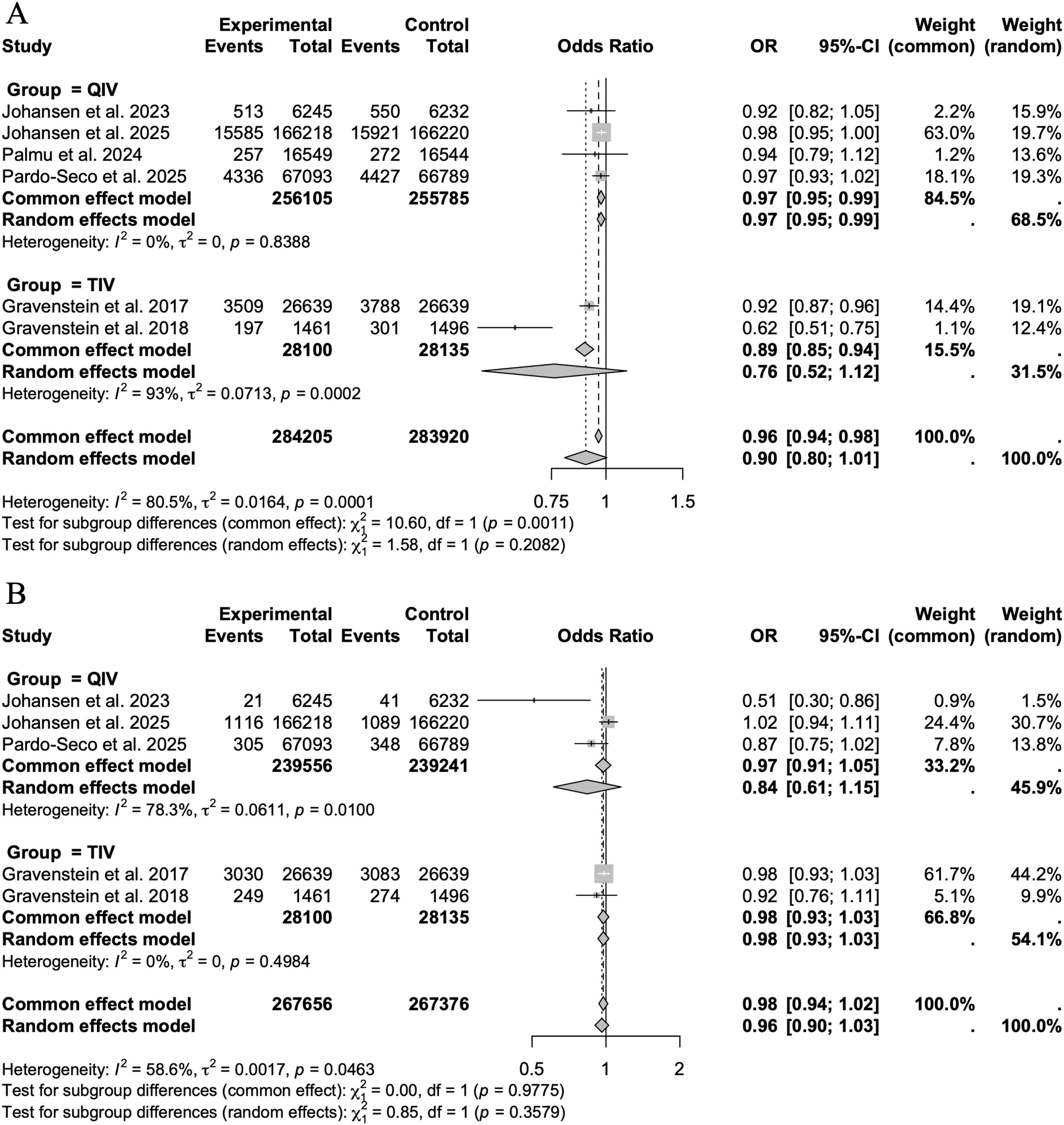
Figure 3. Meta-analysis of all-cause hospitalization and all-cause mortality. (A) All-cause hospitalization; (B) all-cause mortality. CI, confidence interval; OR, odds ratio; QIV, quadrivalent influenza vaccine; TIV, trivalent influenza vaccine.
All-Cause Mortality
Five trials reported all-cause mortality. Meta-analysis demonstrated no statistically significant difference between high- and standard-dose influenza vaccination (OR = 0.96, 95% CI 0.90–1.03), with moderate heterogeneity across studies (I2 = 58.6%) (Fig. 3B). Sensitivity analysis yielded a similar result (OR = 0.98, 95% CI 0.94–1.02).
Safety Outcomes
Six trials reported serious adverse events. Pooled analysis showed no difference in the risk of serious adverse events between recipients of high- and standard-dose influenza vaccines (OR = 1.00, 95% CI 0.97–1.02), with no observed heterogeneity (I2 = 0%) (Fig. 4). These findings indicate a consistent safety profile across trials.
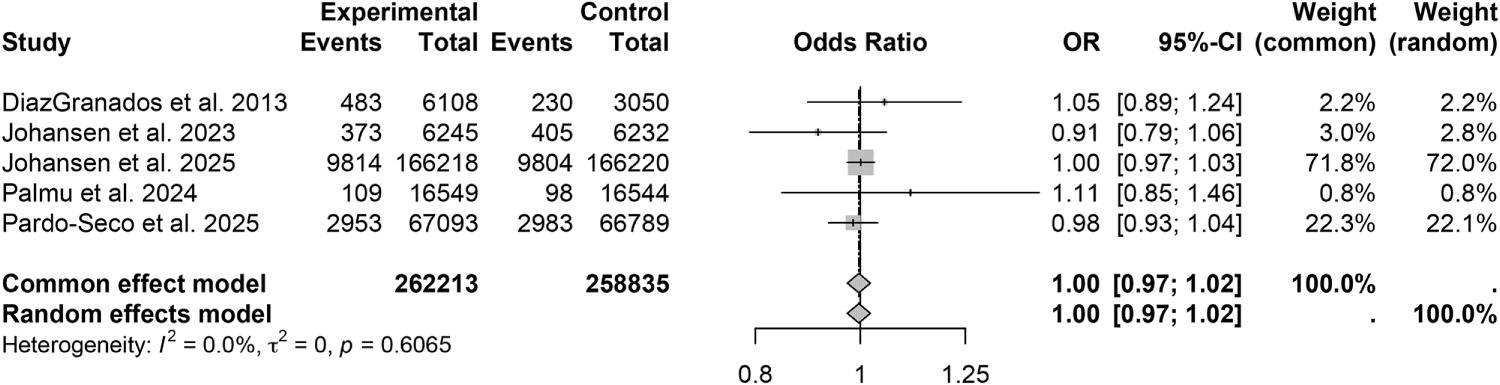
Figure 4. Meta-analysis of serious adverse events.
Absolute Reduction
Compared with standard-dose vaccination, high-dose influenza vaccination was associated with 135 fewer influenza hospitalizations (327/265,850 vs. 462/265,546) and 266 fewer respiratory infection hospitalizations (2,274/298,734 vs. 2,540/298,417). These differences correspond to absolute risk reductions of approximately 0.05% for influenza hospitalization and 0.09% for respiratory infection hospitalization, yielding numbers needed to vaccinate of 1,965 and 1,110, respectively.
Certainty of Evidence
Although Egger’s test and funnel plots are not suitable for studies with small sample sizes, funnel plots were still provided for reference. Publication bias for the appraised outcomes was therefore assessed through visual inspection of the funnel plots (Figs. S4–S8), which did not indicate obvious publication bias. The summary of the risk of bias for each study in the included outcomes is presented in Figs. S9–S13. The overall risk of bias was appraised as “some concerns” for all included outcomes. The certainty of evidence was rated as moderate for hospitalization due to influenza and safety outcomes, downgraded due to risk of bias. The certainty of evidence was rated as low for hospitalization due to respiratory infection, all-cause hospitalization, and all-cause mortality due to moderate heterogeneity and risk of bias.
Discussion
This systematic review and meta-analysis of eight RCTs, including more than 600,000 older adults, demonstrates that high-dose inactivated influenza vaccines provide superior protection against clinically relevant influenza outcomes compared with standard-dose vaccines. Specifically, high-dose vaccination significantly reduced hospitalization due to influenza and was also associated with a modest but statistically significant reduction in hospitalization due to respiratory infection. These findings are consistent with prior randomized and observational studies demonstrating enhanced immunogenicity and effectiveness of high-dose vaccines in older adults, supporting the rationale that increased antigen content may help overcome age-related immunosenescence.25–27 By focusing on clinically meaningful outcomes and incorporating large pragmatic trials, this study strengthens existing evidence and improves generalizability across diverse regions and influenza seasons. The reduction in influenza-related hospitalizations likely reflects enhanced immune stimulation from high-dose vaccination, which has been shown to produce higher antibody titers and seroconversion rates.28 These immunologic advantages appear to translate into measurable reductions in severe clinical outcomes, including hospitalizations due to influenza and other respiratory infections.
The reduction in influenza- or respiratory infection–related hospitalizations is clinically significant because influenza frequently precipitates complications in older adults, including secondary bacterial infections, exacerbations of chronic cardiopulmonary disease, and cardiovascular events.29 In the present analysis, high-dose vaccination was associated with fewer influenza and respiratory infection–related hospitalizations compared with standard-dose vaccination. Although the absolute reductions were modest at the individual level, even small improvements may yield meaningful population-level benefits given the large number of individuals targeted by influenza vaccination programs.30 This consideration is particularly relevant for respiratory infection–related hospitalizations, which are associated with substantial clinical burden and healthcare costs. Despite these benefits, high-dose vaccination did not significantly reduce all-cause hospitalization or mortality. These findings likely reflect the multifactorial causes of hospitalization and death in older adults, the limited statistical power to detect rare outcomes, and heterogeneity across study populations and outcome definitions. In addition, a formal cost-effectiveness analysis was not conducted in the present study; therefore, the optimal use of high-dose vaccination should be interpreted cautiously and may depend on local epidemiological conditions, healthcare resources, and policy priorities. Nevertheless, the consistent direction of effect favoring high-dose vaccination suggests potential benefit that warrants further.
The safety findings of this meta-analysis are reassuring and support the tolerability of high-dose influenza vaccines in older adults. The absence of increased serious adverse events across trials reinforces the favorable benefit–risk profile of high-dose vaccination. Although high-dose vaccines are associated with higher rates of local reactogenicity in some studies, these events are generally mild and transient and do not appear to translate into clinically significant harm.31,32 Ensuring safety is particularly important in older populations, who may be more vulnerable to vaccine-related complications and may often require reassurance regarding vaccine tolerability.
Given the increased susceptibility of older adults to severe influenza complications and the observed reduction in influenza- and respiratory infection–related hospitalizations, the use of high-dose influenza vaccines in adults aged ≥65 years may be justified where available and is consistent with current guideline recommendations for enhanced influenza vaccines in older populations. Recent comparative studies and network meta-analyses indicate that enhanced influenza vaccines provide greater protection than standard-dose vaccines in older adults,10,33 while the relative effectiveness of high-dose vaccines compared with adjuvanted and recombinant influenza vaccines remains uncertain. Further long-term and head-to-head studies across different seasons and settings are needed to better define their relative clinical value.
Several limitations should be acknowledged. Moderate heterogeneity was observed for respiratory infection hospitalization, and substantial heterogeneity was present for all-cause hospitalization, potentially reflecting differences in circulating influenza strains, vaccine match, and population characteristics. Some trials enrolled relatively healthy community-dwelling older adults, which may limit generalizability to frail or institutionalized populations. Variation between trivalent and quadrivalent formulations may also have introduced clinical heterogeneity. Additionally, absolute risk reductions were small, reflecting the relatively low incidence of severe outcomes in vaccinated populations, and the limited number of trials examining certain outcomes restricts a comprehensive assessment of publication bias.
Conclusion
This meta-analysis demonstrates that high-dose inactivated influenza vaccines provide greater protection against influenza- and respiratory infection–related hospitalizations than standard-dose vaccines in older adults, without compromising safety. Although reductions in all-cause hospitalization and mortality were not statistically significant, the overall evidence supports the use of high-dose influenza vaccination as an effective strategy to reduce the clinical burden of severe influenza-related outcomes in aging populations.
Acknowledgment
None.
Conflict of Interest Disclosure
The authors declare that they have no competing interests.
Funding Statement
None.
Ethics Approval Statement
Not applicable. This study is a meta-analysis of previously published studies and did not involve new human or animal subjects.
Patient Consent Statement
Not applicable.
Data Availability Statement
The raw data are available upon reasonable request to the corresponding author via email.
Generative AI Declaration
During the preparation of this manuscript, the authors used ChatGPT to assist with proofreading. All content was subsequently reviewed and edited by the authors, who assume full responsibility for the accuracy and integrity of the published work.
Authors’ Contributions
S.W., R.O., and K.Y. contributed to the conception and design of the study, as well as data analysis and interpretation. M.K. and K.Y. contributed to the revision and critical review of the manuscript. All authors approved the final version of the manuscript and agreed to its submission to the journal.
Supplemental Information
Supplemental information for this article can be found online at https://sup.jclinque.com/api/articles/110/download-suppl.
References
[1] Kyokha Ameen Y. Seasonal influenza: a narrative review of epidemiology, clinical features, and preventive strategies. Cureus. October 2025;17(10):e95336. doi:10.7759/cureus.95336.
[2] World Health Organization. Influenza (seasonal). Published February 2025, Accessed January 1, 2026. https://www.who.int/news-room/fact-sheets/detail/influenza-%28seasonal%29?utm_source=chatgpt.com.
[3] Langer J, Welch VL, Moran MM, et al. High clinical burden of influenza disease in adults aged ≥65 years: can we do better? A systematic literature review. Adv Ther. April 2023;40(4):1601–1627. doi:10.1007/s12325-023-02432-1.
[4] Veronese N, Barratt J, Coemans E, et al. Infectious diseases, infection control, vaccines and long-term care: an European interdisciplinary Council on ageing consensus document. Aging Clin Exp Res. December 22, 2025;38(1):10. doi:10.1007/s40520-025-03271-6.
[5] Grohskopf LA, Blanton LH, Ferdinands JM, Reed C, Dugan VG, Daskalakis DC. Prevention and control of seasonal influenza with vaccines: recommendations of the advisory committee on immunization practices—United States, 2025–26 influenza season. MMWR Morb Mortal Wkly Rep. August 28, 2025;74(32):500–507. doi:10.15585/mmwr.mm7432a2.
[6] O’Neill C, Crealey GE. Use of adjuvanted quadrivalent influenza vaccine in older-age adults: a systematic review of economic evidence. Vaccines (Basel). May 10, 2024;12(5):523. doi:10.3390/vaccines12050523.
[7] Mokalla VR, Gundarapu S, Kaushik RS, Rajput M, Tummala H. Influenza vaccines: current status, adjuvant strategies, and efficacy. Vaccines (Basel). September 11, 2025;13(9):962. doi:10.3390/vaccines13090962.
[8] Gupta D, Mohan S. Influenza vaccine: a review on current scenario and future prospects. J Genet Eng Biotechnol. November 30, 2023;21(1):154. doi:10.1186/s43141-023-00581-y.
[9] Dugan HL, Henry C, Wilson PC. Aging and influenza vaccine-induced immunity. Cell Immunol. February 2020;348:103998. doi:10.1016/j.cellimm.2019.103998.
[10] Ferdinands JM, Blanton LH, Alyanak E, et al. Protection against influenza hospitalizations from enhanced influenza vaccines among older adults: a systematic review and network meta-analysis. J Am Geriatr Soc. December 2024;72(12):3875–3889. doi:10.1111/jgs.19176.
[11] Trombetta CM, Montomoli E. High-dose influenza vaccine: enhanced protection for the elderly. Expert Rev Vaccines. December 2025;24(1):1111–1127. doi:10.1080/14760584.2025.2596673.
[12] Loeb N, Andrew MK, Loeb M, et al. Frailty is associated with increased hemagglutination-inhibition titers in a 4-year randomized trial comparing standard- and high-dose influenza vaccination. Open Forum Infect Dis. May 2020;7(5):ofaa148. doi:10.1093/ofid/ofaa148.
[13] Rivera-Izquierdo M, Verdejo-Iáñez A, Morales-Portillo A, et al. High-dose versus standard-dose influenza vaccine for immunocompromised patients: a systematic review and meta-analysis of randomised clinical trials. J Inf. August 1, 2025;91(2):106538. doi:10.1016/j.jinf.2025.106538.
[14] Laszlofy C, Fazekas G, Barath Z, Vajo Z. Evaluation of vaccine immunogenicity-correlates to real-world protection: influenza. Viruses. March 12, 2024;16(3):441. doi:10.3390/v16030441.
[15] Veronese N, Dominguez LJ, Ganci A, et al. Influenza vaccination in older people: a geriatrician’s perspective. Aging Clin Exp Res. June 28, 2025;37(1):202. doi:10.1007/s40520-025-03086-5.
[16] Open Science Framework. Clinical effectiveness of high-dose versus standard-dose influenza vaccines in older adults: a systematic review and meta-analysis of randomized controlled trials. Published January 2026, Accessed March 10, 2026. https://osfio/rxsja/overview.
[17] DiazGranados CA, Dunning AJ, Jordanov E, Landolfi V, Denis M, Talbot HK. High-dose trivalent influenza vaccine compared to standard dose vaccine in elderly adults: safety, immunogenicity and relative efficacy during the 2009–2010 season. Vaccine. January 30, 2013;31(6):861–866. doi:10.1016/j.vaccine.2012.12.013.
[18] DiazGranados CA, Dunning AJ, Kimmel M, et al. Efficacy of high-dose versus standard-dose influenza vaccine in older adults. N Engl J Med. August 14, 2014;371(7):635–645. doi:10.1056/NEJMoa1315727.
[19] Gravenstein S, Davidson HE, Taljaard M, et al. Comparative effectiveness of high-dose versus standard-dose influenza vaccination on numbers of US nursing home residents admitted to hospital: a cluster-randomised trial. Lancet Respir Med. September 2017;5(9):738–746. doi:10.1016/s2213-2600(17)30235-7.
[20] Gravenstein S, Davidson HE, Han LF, et al. Feasibility of a cluster-randomized influenza vaccination trial in U.S. nursing homes: lessons learned. Hum Vaccin Immunother. March 2018;4(3):736–743. 10.1080/21645515.2017.1398872.
[21] Johansen ND, Modin D, Nealon J, et al. A pragmatic randomized feasibility trial of influenza vaccines. NEJM Evid. February 2023;2(2):EVIDoa2200206. doi:10.1056/EVIDoa2200206.
[22] Johansen ND, Modin D, Loiacono MM, et al. High-dose influenza vaccine effectiveness against hospitalization in older adults. N Engl J Med. December 11, 2025;393(23):2291–2302. doi:10.1056/NEJMoa2509907.
[23] Palmu AA, Pepin S, Syrjänen RK, et al. High-dose quadrivalent influenza vaccine for prevention of cardiovascular and respiratory hospitalizations in older adults. Influenza Other Respir Viruses. April 2024;18(4):e13270. doi:10.1111/irv.13270.
[24] Pardo-Seco J, Rodríguez-Tenreiro-Sánchez C, Giné-Vázquez I, et al. High-dose influenza vaccine to reduce hospitalizations. N Engl J Med. December 11, 2025;393(23):2303–2312. doi:10.1056/NEJMoa2509834.
[25] Johansen ND, Modin D, Pardo-Seco J, et al. High-dose versus standard-dose influenza vaccine and cardiovascular outcomes in older adults: the FLUNITY-HD prespecified pooled analysis. Circulation. 2026;153(11):798–806. doi:10.1161/CIRCULATIONAHA.125.077801.
[26] Lee JKH, Lam GKL, Yin JK, Loiacono MM, Samson SI. High-dose influenza vaccine in older adults by age and seasonal characteristics: systematic review and meta-analysis update. Vaccine: X. August 1, 2023;14:100327. doi:10.1016/j.jvacx.2023.100327.
[27] Gärtner BC, Weinke T, Wahle K, et al. Importance and value of adjuvanted influenza vaccine in the care of older adults from a European perspective—A systematic review of recently published literature on real-world data. Vaccine. May 11, 2022;40(22):2999–3008. doi:10.1016/j.vaccine.2022.04.019.
[28] Bonduelle O, Delory T, Franco-Moscardini I, et al. Boosting effect of high-dose influenza vaccination on innate immunity among elderly. JCI Insight. 2025;10(8):e184128. Published 2025 Mar 4. doi:10.1172/jci.insight.184128.
[29] Yi G, de Kraker MEA, Buetti N, et al. Risk factors for in-hospital mortality and secondary bacterial pneumonia among hospitalized adult patients with community-acquired influenza: a large retrospective cohort study. Antimicrob Resist Infect Control. March 31, 2023;12(1):25. doi:10.1186/s13756-023-01234-y.
[30] Rolfes MA, Flannery B, Chung JR, et al. Effects of influenza vaccination in the united states during the 2017–2018 influenza season. Clin Infect Dis. November 13, 2019;69(11):1845–1853. doi:10.1093/cid/ciz075.
[31] Tan L, Trevas D, Falsey AR. Adult vaccine coadministration is safe, effective, and acceptable: results of a survey of the literature. Influenza Other Respir Viruses. March 2025;19(3):e70090. doi:10.1111/irv.70090.
[32] Tapia-Calle G, Aguilar G, Vaissiere N, et al. Safety, reactogenicity, and immunogenicity of Ad26.COV2.S co-administered with a quadrivalent standard-dose or high-dose seasonal influenza vaccine: a non-inferiority randomised controlled trial. EClinicalMedicine. January 2025;79:103016. doi:10.1016/j.eclinm.2024.103016.
[33] Veroniki AA, Thirugnanasampanthar SS, Konstantinidis M, et al. Trivalent and quadrivalent seasonal influenza vaccine in adults aged 60 and older: a systematic review and network meta-analysis. BMJ Evidence-Based Med. 2024;29(4):239. doi:10.1136/bmjebm-2023-112767.
 |
Copyright: © 2026 Watanabe et al. This work is licensed under a Creative Commons Attribution 4.0 International License, which permits unrestricted use, distribution, and reproduction in any medium, provided the original work is properly cited. |